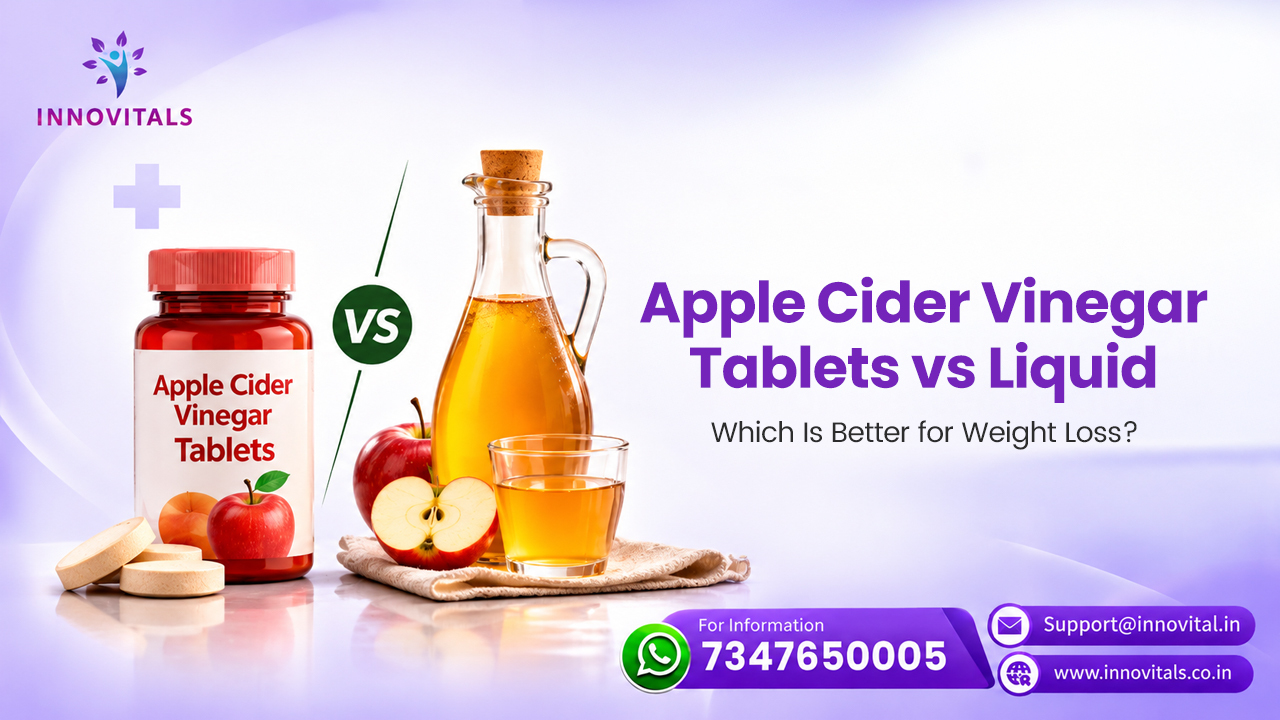
In your kitchen maybe lies the secret to beautiful, glowing skin and weight loss? Apple Cider Vinegar (ACV) has been extensively used as a slimming aid, a detoxifier, and to aid clear skin, for a number of years. This meta-analysis, done in 2025, showed that over 12 weeks, 30 mL/ day of ACV lowered body weight (~7.5kg), BMI (~2 kg/m2) of overweight adults, but really, does its form matter?
Does vinegar-liquid or tablet-work? Which do you need to make the biggest impact? Our blog post will help you understand the benefits of liquid or tablet ACV and determine which one is going to give you the best results. Let’s find out if that bottle of vinegar is really the health and weight loss miracle that everyone claims it to be!
Key Takeaways
1. ACV Stimulates Weight Loss By Acetic Acid:
Anecdotal studies and scientific research alike agree that both the liquid and tablet varieties contain acetic acid, the active ingredient found to decrease BMI and body weight and increase fat metabolism. The substance helps to regulate satiety if used consistently.
2. Liquid ACV Benefits Digestion and Gut Health:
Raw, unfiltered liquid ACV contains “the mother” which consists of natural enzymes and bacteria. This is especially beneficial for digestion, gut health, or if you want to use a traditional, whole-food source of ACV.
3. Effervescent Tablets Improve Convenience and Consistency:
ACV tablets are more convenient to take every day since they come with everything in an easy, pre-packaged form, are portable and do not have a strong taste of vinegar. You will have better compliance and that leads to better results, even if you are busy or have a sensitive palate.
4. Blood Sugar Management Is a Mutual Benefit:
Both forms can help minimize after-meal blood sugar surges and boost insulin sensitivity. Tablets can be even more effective when taken with nutrients such as chromium or vitamin B12 to support metabolism and blood glucose.
5. The Perfect Form Is the One You’ll Actually Use on a Daily Basis:
Ultimately, nothing is better or worse. Your results will come down to consistent use, not the form of the product. Select the delivery method that is easiest to incorporate into your lifestyle to achieve the best results over time.
Since apple cider vinegar’s fame has ascended, it has become necessary to understand the science behind these health claims. Here’s what you should know, based on what history and science tell us.
1. Supports Digestive Health –
Apple Cider Vinegar (ACV) is known for its acetic acid content, which can help to promote enzyme production in your digestive system as well as balance your stomach’s acidity levels. If you sometimes feel bloated or have other digestive discomfort, ACV may assist you in digestion and nutrient absorption.
2. May Aid in Managing Blood Sugar Response –
Studies show that ACV can enhance insulin sensitivity and thus help to mitigate the typical rise in blood sugar after eating. Doses >10 mL/d) decreased fasting blood sugar by 10.16 mg/dL and HbA1c in type 2 diabetics (P<0.05). The acetic acid in ACV likely inhibits the digestion of complex carbs to sugar in the blood, making it a promising option for those concerned with raising their sugar levels.
3. Assists with Weight Control –
ACV has been linked to feeling vigorous, which naturally helps manage portion size and curb overeating. Acetic acid may also alter the way fat is broken down and stored, but for optimal results, it should be combined with a balanced diet and lifestyle.
4. Supports Your Gut Microbiome Balance –
Raw, unfiltered apple cider vinegar is raw, unfiltered, and unpasteurized. It contains “the mother”-a nutritious combination of bacteria, enzymes, and proteins. This same probiotic-rich ingredient can be helpful for a healthy microbiome-a concept that is gaining wider recognition and understanding as the cornerstone of overall health, immune support, and mental function.
Advantages of Apple Cider Vinegar Tablets
People have been using apple cider vinegar to benefit digestion and metabolism for years, but your preparation of it can really have an impact on your enjoyment and ability to stay consistent. Effervescent tablets are a new take on traditional uses.
1. Helps regulate appetite and curbs cravings –
Apple cider vinegar acetic acid – can make you feel more full and even help to eat fewer calories in general. Effervescent tablets are a convenient way to take ACV before you eat that leave you feeling fuller with smaller plate portions and less longing to snack in between.
2. Supports healthy blood sugar levels –
ACV slows the absorption of sugar into your bloodstream, which can help to prevent spiked blood sugar levels followed by a crash that can lead you to intense hunger and cravings. For even better blood sugar control, take an effervescent tablet that contains the added benefit of chromium – easier to stay on your diet.
3. Boosts metabolism and fat burning –
This compound, found naturally in apple cider vinegar, may aid fat burning and inhibit fat storage by raising your body’s metabolic rate – so you burn more fat even when you’re inactive. Drinking effervescent tablets of apple cider vinegar on a daily basis can improve your overall weight loss results.
4. Reduces belly fat and water retention –
Research suggests that an ACV supplement is shown to target belly fat – the type of fat that is difficult to get rid of. It may also have mild diuretic effects, helping you shed excess water and bloating. These effervescent tablets will also mask the overpowering vinegar flavor.
Both are useful. Liquid ACV can be used in cooking and is great for those who prefer the traditional, raw, unfiltered varieties. Effervescent tablets are the perfect solution when convenience, uniformity and ease of use is the goal.
Which One Is More Handy And Efficient?
As far as convenience goes, the effervescence tablets are the best choice for everyday consumption. They’re pre-portioned, portable, and dissolve rapidly, making them ideal for on-the-go, mornings, or just keeping at work. No mess, no measuring cups, no vinegar smell, and no spills. With liquid ACV, you will need to dilute and measure, but it’s more versatile since it can be used in recipes or smoothies.
Both are effective-just in different ways. Both get you the acetic acid that helps make ACV good for you. Effervescent tablets give you the same amount every time, and sometimes have other beneficial ingredients like vitamin B12, chromium, or pomegranate. Liquid ACV contains the “mother”- the cloudy substance containing good bacteria and enzymes that improve digestion.
Things Which Are Important
Taste:
Tablets taste better so we’ll be more likely to remain on tablets for longer.
Tooth shields:
Tablets are more delicate on your enamel
Additional nutrients:
Some tablets have extra vitamins
Uses:
Liquid is suitable for health and for cooking.
Conclusion
Which is Better for Weight Loss? The answer lies in your life, choices, and health objectives. Liquid apple cider vinegar and effervescent tablets both provide the vital wellness benefits of ACV that have made it an essential for generations – promoting digestion, metabolism, and overall health.
It all depends on what’s easiest to stick with. The best apple cider vinegar is the one you are actually going to use day after day, week after week. And if having it portable and easy to manage is what is going to keep you on track then that is the best option.
Think about your lifestyle and taste, how you will integrate ACV into your health habits. Some individuals like to have both tablets and liquid, they take a tablet daily and also use the liquid in a salad dressing or as part of an at-home wellness ritual.
It’s the format of your apple cider vinegar that doesn’t make a difference – it’s how consistently you use it. Select your preferred method of integrating it into your daily life, as the supplement you consume more often will always be better than the one you neglect to take.
Frequently Asked Questions (FAQs)
Is it better to take apple cider vinegar in tablet form or as a liquid?
Liquid apple cider vinegar (ACV) tablets are more effective, but the convenience of tablets, have no damage to the teeth and throat, and their ease for travel make them more practical. Tablets are tasteless, but less healthy.
Which type of apple cider vinegar is effective for weight loss?
It’s best to only use raw, unfiltered or un-pasteurized ACV for weight control, as this is the gold standard.
Can I take apple cider vinegar pills every day?
Consuming ACV pills in moderation is usually safe, but caution should be used due to lack of research on the long-term effects and potential side effects like throat burn, digestive problems and low potassium. These pills may have benefits for weight loss, blood sugar and digestion.
Two tablespoons of liquid apple cider vinegar equals how many apple cider vinegar pills?
To match 2 tablespoons of ACV liquid, you normally have to take 4-6 capsules (or 500-750 mgs each). 1 tbsp of liquid is 15 ml, so to match 2 tbs you will generally need between 3 and 4 times this dose of the powder.
Does Apple Cider Vinegar Pills Really Help you to Lose Weight?
Apple cider vinegar is unlikely to cause weight loss, as research hasn’t proven its effectiveness for slimming down. While some claim it offers health benefits, including weight loss, there’s no solid evidence to support this.
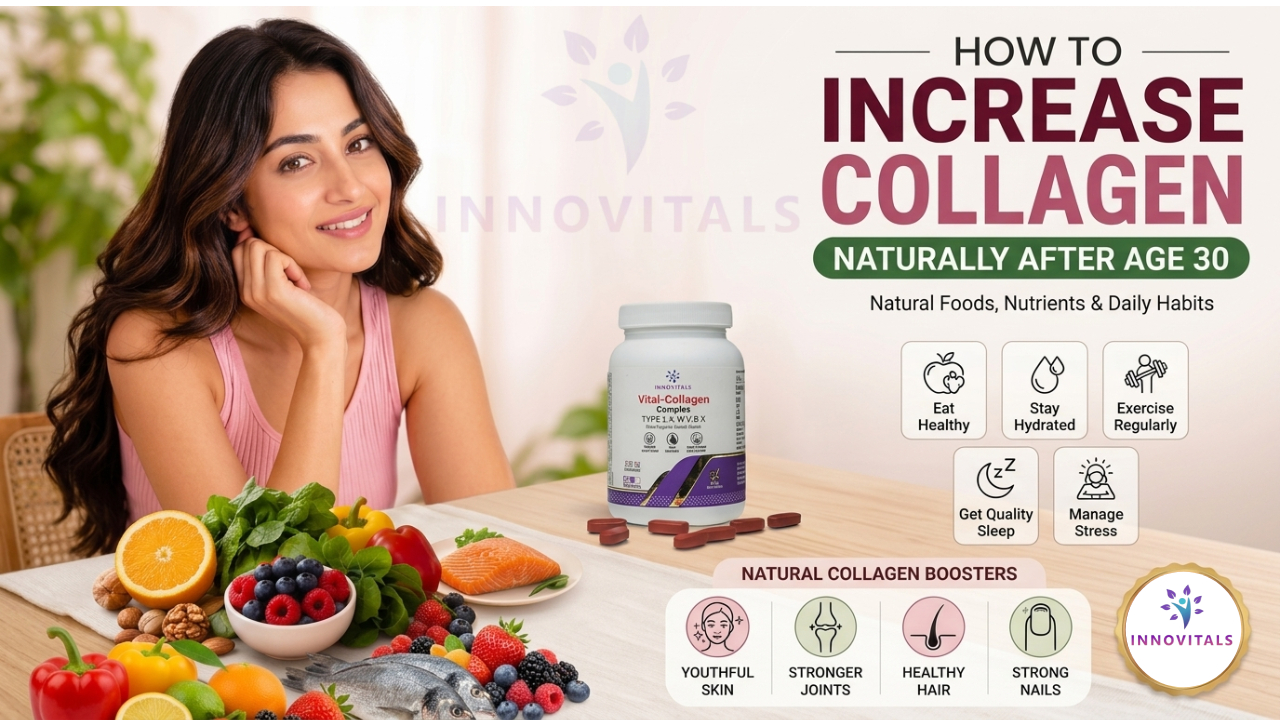
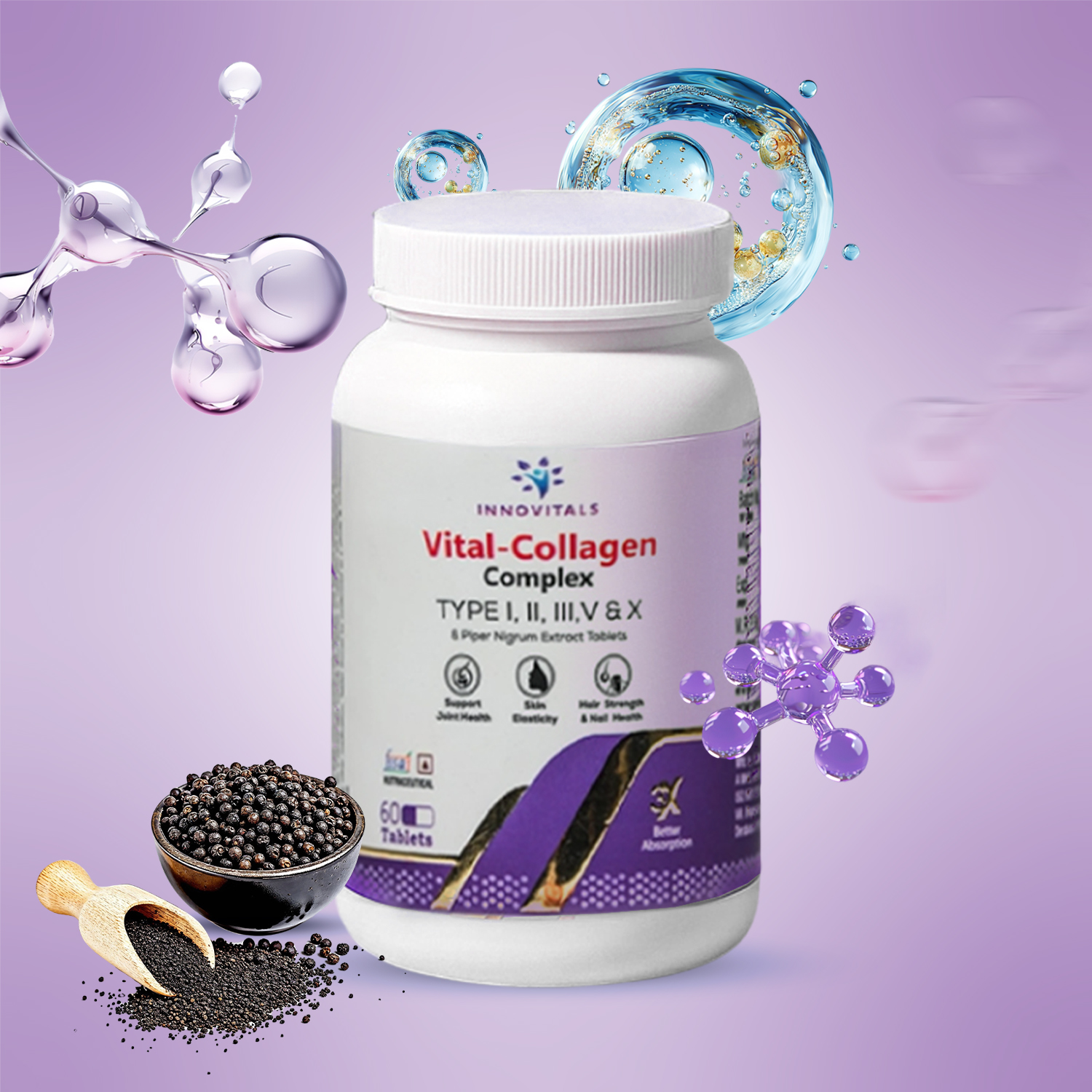
Give your skin, joints, and bones the nourishment they deserve with this powerful Hydrolysed Collagen Complex. “Vital Collagen Complex”
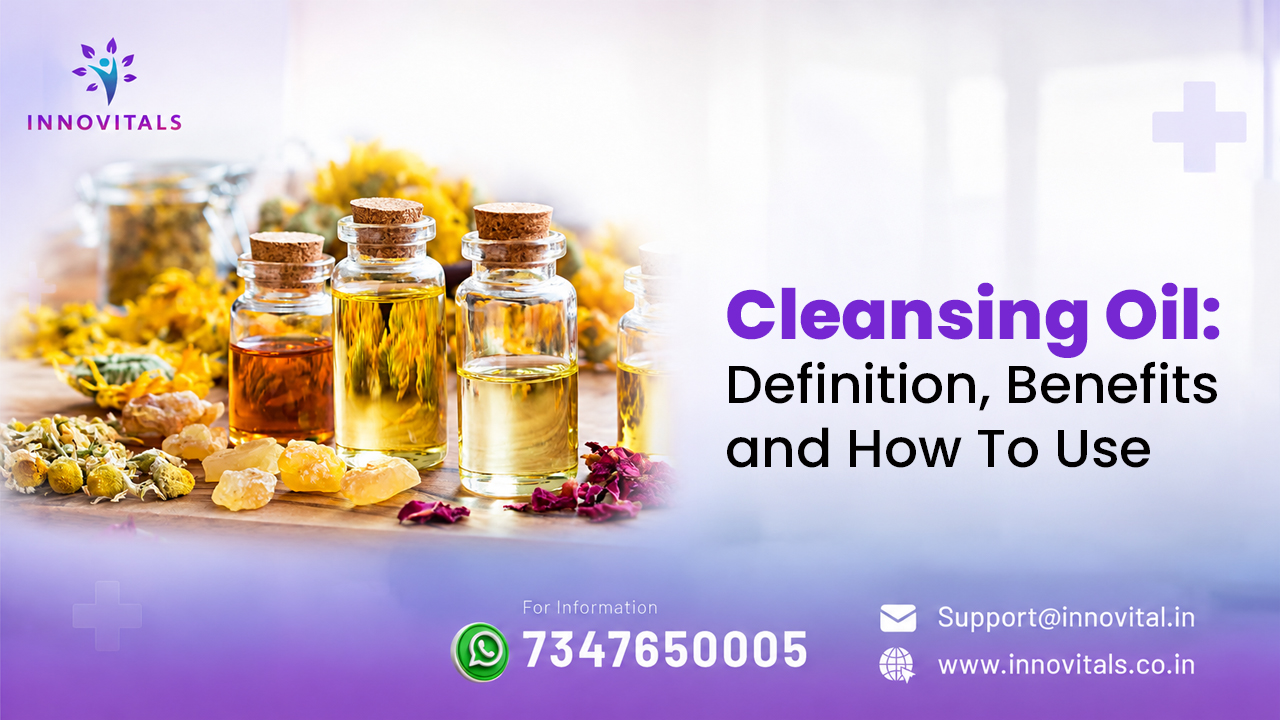
Did you know that rough cleaners could rob your skin of up to 60% of its hydration? Enter cleansing oil, which is here to save the day! It is a mild yet effective way not only to clean your skin thoroughly but also to help keep it hydrated. In contrast to conventional soaps and foaming cleaners, which can remove the natural oils from your skin, cleansing oil does not take them away; instead, it dissolves makeup, dirt, and extra sebum, leaving your skin hydrated and radiant.
What Is Cleansing Oil?
Cleansing Oil is a facial cleanser that is made up of natural oils like jojoba, olive, argan, and grapeseed oil. It is meant to dissolve and remove dirt, makeup, and other substances on the face while at the same time preserving your skin’s natural moisture. Unlike soap, cleansing oil will not disturb the lipid barrier of the skin. The oil attaches itself to the sebum and other substances on the skin and helps them dissolve easily. Adding water to it makes it form a creamy layer that washes off without any sticky feel on your skin. This process of cleansing is called oil cleansing and is suitable for all skin types.
Why Should You Choose Cleansing Oil for Your Skin?
There are three layers in the skin that provide protection; the outermost layer is the epidermis, which acts as a barrier against environmental contaminants and other detrimental influences. But harsh cleansing products such as soaps and foams strip away the protective layer by removing lipids, causing drying and irritating your skin. Cleansing oil blends with your skin oils in perfect balance; it cleanses your face without affecting your skin’s moisture, leaving it healthy and protected.
Top 5 Benefits of Cleansing Oil for Your Skin
Prevents Dryness
The oil-based cleansing agent won’t dry your skin the way foaming cleansers might. In fact, several scientific investigations indicate that cleansing oil will not lead to skin dryness since it is much gentler and causes no irritation to the skin’s lipid barrier.
Breakdown of Makeup and Other Impurities
Cleansing oil performs best when it comes to eliminating waterproof mascara. According to a 2017 study, oil cleansers remove makeup better than conventional cleansers, leaving your skin hydrated at the same time.
Hydration
There is nothing pleasant about dryness after cleansing your skin. Studies published in the International Journal of Cosmetic Science prove that cleansing oils help to retain moisture on the skin.
Regulates Oily Skin
It might sound odd, but a cleansing oil can help keep oily skin under control. It does not encourage your body to produce more oil; instead, it helps remove extra oil without causing your pores to become clogged. According to a study published in Dermatology Research and Practice, using an oil-based cleanser can prevent acne and ensure your skin is kept hydrated.
Protects Your Skin Barrier
Your lipid barrier protects your skin from any outside threat. There is scientific evidence that lipid-based cleansers (for example, cleansing oils) can help create a strong barrier that helps retain moisture and makes your skin strong enough to stay hydrated.
How to Use Cleansing Oil Effectively?
Apply on Dry Skin
Ensure that your skin is dry so that the oil can work effectively to dissolve impurities and makeup.
Gently Massage the Oil
Massage the oil using circular motions to help dissolve makeup and sebum.
Introduce Water to Emulsify
Splash some water on your hands and start massaging the oil again to turn it into a milky texture.
Rinse with Warm Water
Make sure that you rinse with warm water.
Optional Double Cleansing
If needed, you may apply a water-based cleanser to remove impurities and makeup.
Pat Dry and Moisturise
End with the application of a moisturiser.
Pro Tip: Make sure that you always rinse with lukewarm water since either hot or cold water can irritate your skin.
Common Mistakes When Using Cleansing Oil
Using Too Much Oil: A little goes a long way. Using too much may result in greasiness. You may apply more oil if required.
Lack of Emulsification: Do not forget to add water to achieve emulsification. This process helps in breaking down all the makeup and contaminants.
Rinsing With Hot Water: Hot water may irritate the skin. You should use lukewarm water for protecting the skin barrier.
Failure To Moisturize: You should moisturize your skin after cleansing to keep it hydrated.
Not Double-Cleansing: For people who use a lot of makeup and sunscreen, double cleansing is necessary for deep cleaning.
Conclusion
Cleansing oil is one of the most effective ways to get rid of dirt, makeup, and extra sebum, without drying out your skin in the process. It will be useful to anyone, regardless of the skin type, as it will help you keep your skin soft, hydrated, and glowing. This product should become your go-to cleanser, and then you’ll see how great your skin can be!
What’s the difference between cleansing oil and normal oil?
Cleansing oil is an effective skin-care product specially designed for the purpose of cleansing your skin from dirt and makeup. Upon mixing with water, cleansing oil becomes milky in consistency and leaves no traces once washed off. On the other hand, olive oil and coconut oil are moisturizers which serve the purpose of moisturizing the skin rather than cleansing it.
Is it okay to use cleansing oil every day?
Certainly, it is perfectly safe to use cleansing oil on a daily basis, most preferably at night time, to wash off your makeup, sunscreen as well as any other pollutants from your skin. Using cleansing oil daily will help you keep the moisture balance intact without any chances of drying, thus making it ideal for all kinds of skin, including oily and acne prone.
Do dermatologists recommend cleansing oil?
Yes, cleansing oils have been recommended by several dermatologists as an efficient way of removing make-up and sunscreen residues without stripping the skin’s natural moisture barrier. Although they work well for dry and sensitive skin, cleansing oils may be used by any skin type, including oily skin, provided that non-comedogenic versions are chosen.
What are the side effects of cleansing oil?
Possible adverse effects associated with cleansing oil are clogged pores (leading to breakouts) due to the use of heavier oils, irritation and allergy, and sensitivity, particularly when the cleanser is not fully emulsified and washed off. It may even lead to a purging effect (an increase in breakouts) as the skin gets used to it.
How many minutes should I oil cleanse?
The oil is rubbed on dry skin for 60 seconds to loosen makeup, sunscreen, and sebum. Then water is added for 30–60 seconds to emulsify the oil for an effective cleansing process.
Ever thought about why you feel so exhausted no matter how much rest you get from sleeping at night? Why does it happen that you get constant muscle cramps? Here’s one thing you never thought about: you might be suffering from the deficiency of two important minerals – magnesium and zinc. Believe me; you’re not alone with this problem because about 31% of the world’s population suffers from magnesium deficiency.
But the best thing about the situation is that it’s easy to fix and you might be having those foods at home. In today’s blog, we’ll discuss the list of seven foods that contain magnesium and zinc in abundance and that too without any side effects.
7 Top Foods High in Magnesium and Zinc
There are different kinds of foods rich in both magnesium and zinc that may act like winning the lottery when it comes to nutrition.
Pepitas (Pumpkin Seeds)
These small green seeds are popular for their mineral content. 28 grams or one serving of pumpkin seeds includes around 168 mg of magnesium – that’s 40% of the recommended daily magnesium intake. The same amount of pumpkin seeds includes 2.2mg of zinc which makes up for 20% of the daily zinc intake.
Cashews
Cashews contain 82mg of magnesium per 18-20 grams (a serving of cashews) – that’s 20% of your daily magnesium intake and 1.6 mg of zinc which is 15% of the recommended daily intake.
Spinach
One glass of cooked spinach will provide you with 157 mg magnesium and 1.4 mg of zinc, which is about 37% of the daily value. Spinach is one of the rich magnesium-containing vegetables.
The use of spinach with the addition of garlic and lemon juice will improve its flavor and nutrient absorption. Spinach can be easily included in your everyday diet as they can be added in omelets and pastas.
Dark Chocolate
Dark chocolate that includes more than 70% of cocoa has approximately 64 milligrams of magnesium and 0.9 milligrams of zinc in 28 grams of chocolate. It is important to mention that the quality plays an essential role when selecting the dark chocolate. It is recommended to choose products that have minimum ingredients, i.e. cocoa, cocoa butter and natural sweeteners. If there is extra sugar or flavoring added to dark chocolate, it can reduce the nutritional value.
Quinoa
In 1 cup of cooked quinoa, there are 118 mg of magnesium and 2 mg of zinc. Moreover, quinoa is also an example of complete protein that has all 9 essential amino acids required by the human body.
Quinoa is a highly versatile grain that can be used to prepare a grain bowl, salad, and even a side dish. Mostly people consume quinoa as a porridge for breakfast. In addition to this, preparing quinoa with vegetables and bone broth instead of water makes it more nutritious.
Black Beans
The black bean is packed with high amounts of magnesium that range from 120 milligrams per cup and 1.9 milligrams of zinc. Besides zinc and magnesium, it is rich in fiber and proteins. The black bean can be used in the preparation of dishes like tacos, burritos, salads, soups and vegetable patties. The black bean is considered one of the most versatile forms of protein.
Almonds
The magnesium content in a handful of almonds is 76mg while the zinc content is 0.9mg. They are portable and are ideal for carrying along. They can be eaten as soak almonds or can even be combined with fruits as a healthy snack choice. But they are very calorie-rich so portion control becomes necessary.
What Can Magnesium and Zinc Deficiency Lead To?
Lack of sufficient magnesium and zinc can result in several problems related to physical well-being that can affect your life in a very negative manner.
For instance, if you lack magnesium, you will experience symptoms such as muscle spasms in legs, particularly at night, insomnia and mood changes. If you are lacking in zinc, your immune system becomes compromised and slows down the healing process; additionally, it can cause problems like acne. Lack of both minerals can make you feel lethargic and ill.
Is Magnesium and Zinc Supplementation Right for You?
Indeed, at times it may not be possible to get enough nutrition through food intake only. Taking into account current lifestyle and diet, it is common to have magnesium and zinc deficiencies. As a solution, adding magnesium and zinc supplements will be a nice choice for daily use. Magnesium and zinc are really vital elements to improve immune system, make bones strong and even help with relaxation of the muscles. In case you have been feeling tired, suffering from muscle cramps or having skin problems, this can be the result of magnesium and zinc deficiency.
It is especially vital to take zinc supplements for people with weak immune or digestive systems. It should be noted that like magnesium, not all zinc supplements are created equally. Among different types of zinc, zinc picolinate is the most easily absorbed by the body.
Conclusion
Consuming sufficient amounts of magnesium and zinc does not have to be difficult. One way to do this is to include fruits containing high amounts of nutrients such as pumpkin seeds, spinach, cashews, and dark chocolate in your everyday diet. These foods taste great and are easily included in one’s diet. Supplements are suggested to be included in one’s diet to fill any deficiencies. However, it is important to include the types that easily integrate with one’s body such as magnesium glycinate and zinc picolinate.
Vital-Collagen
Frequently Asked Questions (FAQs)
What food is highest in magnesium and zinc?
Pumpkin seeds has the most magnesium and zinc content.
Which food has the highest magnesium?
Spinach is one of the most magnesium dense food.
How can I get 100% magnesium daily?
Include magnesium rich foods in your daily diet along with the supplements to fill the nutritional gap.
How can I increase zinc and magnesium in my body naturally?
Taking care of your child’s health is your top priority as a parent or carer. Because they participate in extracurricular activities, sports, and school, your kids are constantly in contact with other kids, which exposes them to a variety of bacteria, viruses, and germs.
There are numerous natural strategies to help give your child the healthiest immune system possible, even though no one can ever guarantee that your child won’t be exposed to something dangerous. Their immune system will be greatly impacted by the stuff they eat and the habits they have. So let’s look at some of the greatest foods to help strengthen your child’s immunity as well as the daily routines you can help them develop so they can be happy and healthy all around.
Why Do Your Kids Need a Strong Immune System?
The body uses the immune system to fend against dangerous invaders, including bacteria, viruses, and other infections. In addition to preventing illness, a healthy immune system is essential for children’s overall physical, emotional, and cognitive development because it allows them to stay well enough to go to school or play sports, which in turn allows them to take advantage of all educational opportunities.
Children who have a strong immune system are better able to avoid colds, the flu, and other ailments that could otherwise disrupt their daily schedule. Additionally, the majority of the immune support benefits will come from using the most basic foods and routines in daily life to help strengthen and support the immune system so it can provide optimal functioning. This means that stamina doesn’t have to be attained through costly supplements or challenging regimens.
Top Foods to Boost Immunity in Kids
Citrus Fruits
Citrus fruits have a high vitamin C content. In addition to playing a significant role in the creation of WBCs, it serves to strengthen the immune system. The body fights an infection with the aid of white blood cells. Oranges, lemons, tangerines, and grapefruits are examples of citrus fruits. A child’s diet can readily include these fruits, which are high in vitamin C. They can be consumed whole, juiced, or mixed into a smoothie.
In addition to their high vitamin C content, citrus fruits are high in fibre, which improves digestion and overall health. A single glass of orange juice in the morning or some citrus fruits as a snack in the afternoon may help children’s immunity.
Yogurt
What you may be unaware of is that the gut plays host to a considerable amount of the immune system. Gut microbiota plays a vital role in keeping the body immune to disease, and this is where the probiotics – good bacteria – come into play to maintain the balance in the gut. Yogurt is rich in probiotics.
When opting for unsweetened and plain yogurt as an alternative to the other dairy options, the kid can combine yogurt with fruits/puree fruits and/or some honey. If, after giving the kid the yogurt for a few weeks, he/she does not like the yogurt on its own, you can try mixing it with smoothies or even add granola and/or berries to it. Probiotic foods aid your body in growing beneficial bacteria and, in turn, protect the body from infections.
Leafy Greens
Swiss chard, kale and spinach are examples of leafy greens that are high in nutrients. They are rich in minerals (iron) and vitamins (C, A) that strengthen our defences against illness. Since it can be challenging to encourage kids to eat vegetables, there are numerous methods to incorporate leafy greens into their diet, such blending kale into smoothies, adding spinach to scrambled eggs, or sneaking some green into soup or spaghetti sauces. You are giving kids the nutrients they need to maintain healthy immune systems by include these superfoods in their meals.
Garlic
For many years, garlic has been used to treat various health problems, including immune system enhancement. Allicin, a chemical found in the herb, has antimicrobial and anti-inflammatory properties. Garlic is not only wonderful, but it can also help prevent children from getting diseases. Try adding tiny amounts of garlic to sauces, soups, roasted vegetables, etc., as smaller kids could be sensitive to the flavour. Additionally, it can be added to homemade salad dressings and meat dishes to provide flavour and taste while boosting the child’s immunity.
Berries
Antioxidants, particularly flavonoids, which shield the body from free radicals that might harm cells, are abundant in blueberries, strawberries, raspberries, and other fruits referred to as “berries.” Additionally, berries contain a lot of vitamin C, which strengthens immunity. Your toddler will enjoy eating a handful of berries with yoghurt or in a smoothie as a quick snack. Berries can also be frozen for a refreshing and nutritious snack on hot days!
Nuts and Seeds
Nuts and seeds include things like almonds, walnuts, chia seeds, and sunflower seeds. They are rich in zinc, vitamin E, which is necessary for the body’s protection, and healthy fats. Zinc, an important mineral, and vitamin E, an antioxidant, both have roles in the body’s defence against illness. You can incorporate nuts or seeds into your child’s diet by adding them to cereals, granola bars, and smoothies. A handful of nuts is also a quick and healthful snack that gives the child energy and has anti-infective properties.
Chicken Soup
Although chicken soup is often thought of as a comfort food, it has numerous health advantages, both of which are valid in and of themselves! In particular, the soup’s broth—especially if it’s made with bone-in chicken—provides your body with the collagen and amino acids it needs to rebuild tissue and strengthen your immune system. Furthermore, chicken is a great source of zinc, which is crucial for your immune system to react appropriately to disease.
You may give your child a healthy, nutrient-rich lunch and boost their immunity when they have a cold or the flu by making homemade chicken soup with fresh veggies.
Daily Habits to Strengthen Immunity in Kids
The way your child takes care of their body on a daily basis is just as important as what they eat. They can maintain their health and strengthen their immunity by adopting these habits:
Proper Sleep Routine
Sleeping is important in ensuring that there is adequate time spent resting so as to boost the body’s immunity. This is because during the state of sleeping, children will have the opportunity to utilise the accumulated energy during the day to heal any damaged tissues and build immunity against disease-causing pathogens. Research has shown that sleeping problems lead to an impaired immune system among individuals who fail to get the recommended number of hours of sleep per day.
It is imperative that your kid sleeps a sufficient number of hours based on his/her age category. For example, kids aged between 6 – 12 years are recommended to sleep 9-12 hours every day. Some of the things that can ensure that your kid sleeps adequately include developing a sleeping schedule of going to bed and getting up every morning, limiting evening screen activities and creating a good sleeping environment with reduced noise and light level.
Exercise for Immunity
Frequent exercise improves blood flow, reduces oedema, and strengthens a person’s defences against illnesses. Although children instinctively engage in physical activity, organised forms of enjoyment like playing on organised teams, dancing, and/or unstructured outdoor play—all of which provide children with regular opportunities for movement—will help them develop this skill.
According to the American Academy of Paediatrics (AAP), your child should intentionally move for 30 to 60 minutes each day, depending on their age and ability level. Your child’s immune system will be healthier the more active they are because this not only keeps them healthy but also helps to improve their immune system’s capacity to fight off infection.
Drink Plenty of Water
All things considered, maintaining adequate hydration is critical to overall health, including immunity. Maintaining a sufficient level of hydration will enable the body to absorb nutrients as it should, and our bodies require water to assist our digestive systems and help eliminate waste. A person’s immune system may be weakened if they are dehydrated, which puts them at higher risk of being sick. Encourage your child to drink water throughout the day. If the water doesn’t appeal to them, try adding fruit to make it more pleasant, like berries, lemon, or lime.
Teach Good Hygiene
Teaching your child how to properly wash their hands is one of the easiest yet most effective strategies to stop the transmission of germs. Urge children to routinely wash their hands, particularly after eating and after being outside or in public areas. One of the most effective ways to prevent sickness is to practise good hygiene. Singing a little song while they wash their hands—making sure they do it for at least 20 seconds—will make the process enjoyable.
Reducing Stress
The effectiveness of the immune system is reduced when stress hormones like cortisol are elevated. Children nevertheless encounter enough stress from school, their peer groups, and their extracurricular activities, even if they won’t be under as much pressure as adults. You may assist your child manage their own stress and boost their immunity by teaching them relaxation techniques like yoga, deep breathing, and mindfulness. Additionally, your child’s general health will benefit from spending time with them as a family and making sure you are providing emotional support by creating a secure environment.
Vitamins and Supplements for Boosting Immunity in Kids
When a child’s immune system is functioning normally, it offers them activity, health, and some protection against common diseases. The immune system benefits immensely from a healthy diet, but when a child’s nutrition is lacking, vitamins and dietary supplements may also help to boost the immune system. The most often suggested dietary supplements for kids’ immune systems are as follows:
As a potent antioxidant, vitamin C keeps your body’s white blood cells healthy so they can fight infections.
Vitamin D promotes bone health and strength and helps your body control its immunological response.
Zinc is a crucial mineral that promotes wound healing and immune cell development.
Iron is essential for overall energy levels and for the movement of oxygen throughout your body.
Probiotics strengthen your body’s immune system by balancing the “good” bacteria in your stomach.
Children have different nutritional demands than adults, so choosing a kids’ supplement requires careful consideration. Children’s nutritional supplements have an age-appropriate dosage and are made with kids in mind. To make it easier for kids to take them, children’s nutritional supplements are available in a variety of formats, such as liquid, chewable tablets, and gummy bears.
Finally,
Strong immunity is important for your child’s health. Including foods that contain beneficial nutrients in a healthy meal, such as citrus fruits, yogurt, leafy greens, garlic, and berries, combined with a healthy sleep habit, proper exercise, and hydration of the body, is important in building a strong body for your kid against diseases.
However, it is important to note that no food or particular habit will completely help your child avoid illnesses. The golden rule is to ensure that you have an everyday routine that involves the consumption of various nutrient-rich foods, exercise, rest, and stress-management techniques. With a few very basic and consistent behaviours, you are sure to have a very strong and prepared immune system for your child, despite what may come your way.
A youngster can build an immune system similar to that of an adult by engaging in daily healthy habits including eating a balanced diet, getting enough sleep, exercising, getting up-to-date vaccines, and maintaining proper hygiene. Developing a child’s immunity also involves lowering stress and sugar intake.
What is the best immune booster for kids?
Because they contain both zinc and vitamin C, nuts, seeds (like sunflower seeds), citrus fruits (like oranges and amla), and leafy green vegetables (like spinach) can strengthen a child’s immune system.
Are immune boosters safe for kids?
Although vitamins and herbal immune boosters have been shown to be safe when used under a pediatrician’s supervision, healthy youngsters usually don’t require these kinds of supplements. The greatest way to improve and raise immunity in teenagers is to give them a wellness-focused, balanced diet that includes whole foods and enough sleep.
What are signs of weak immunity in kids?
Frequent infections, a sluggish recovery from illness, persistent exhaustion, poor appetite, slow wound healing, digestive issues, recurrent ear or skin infections, and delayed growth are all indicators of a weakened immune system in children.
At what age is a kid’s immune system the strongest?
Children’s immune systems are still growing and will keep becoming stronger until they are around 7 or 8 years old. A child’s immune system develops its ability to fend off infections during these formative years. The immune system of a child grows considerably between the ages of three and four, but it doesn’t fully mature until much later in life.
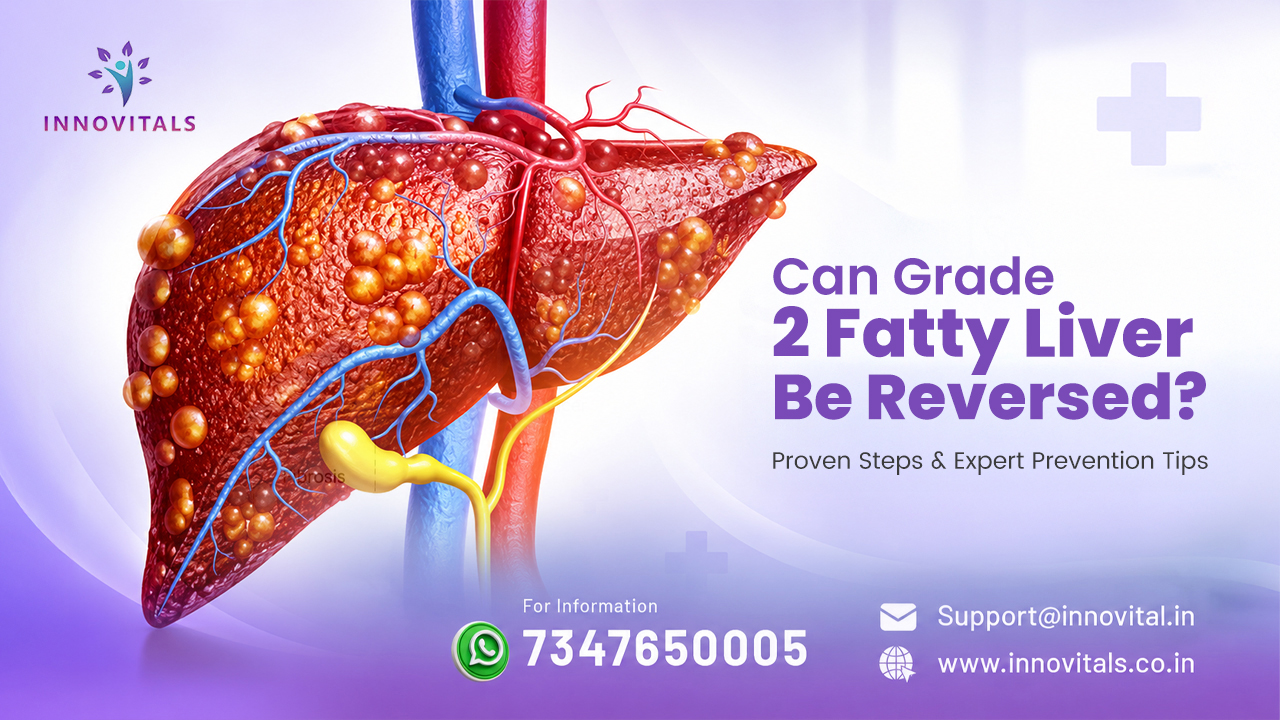
Your thoughts are probably racing if you’ve just seen an ultrasound result that states “Grade 2 Fatty Liver”. You may be wondering if this diagnosis is irreversible, if your liver is already irreparably damaged, or if you will always have to deal with it. Many folks imagine worst-case scenarios, Google late into the night, and quietly panic. Let me begin by stating this calmly and clearly: Although grade 2 fatty liver is a terrible condition, there is still hope. In actuality, it is the point at which significant reversal is still quite feasible for a lot of people.
One of the most prevalent illnesses of our day is fatty liver disease. According to studies, over 30% of persons worldwide currently suffer from non-alcoholic fatty liver disease. According to several studies, the prevalence in India ranges from 9% to over 50%, depending on the location and lifestyle, with an average of nearly one in three persons.
Therefore, you are by no means alone if you have Grade 2 fatty liver. More significantly, your diagnosis is a warning sign rather than a verdict, and warnings are useful because they allow us to take action.
What is a Grade 2 Fatty Liver?
On ultrasonography, fatty liver is often rated according to the amount of fat visible in the liver and the clarity of interior structures. Grade 1 is characterized by a slight buildup of fat and frequently no inflammation. Grade 2 denotes a moderate accumulation of fat, where the liver is obviously under metabolic stress and inflammation may begin to show. Grade 3 fat buildup has the highest chance of fibrosis and long-term harm.
In the middle is grade 2. It indicates that although your liver is having difficulties, it is still able to recover. At this point, there is frequently minimal to no long-term scarring. Imagine your liver as an oil-soaked sponge. Grade 2 indicates that the sponge has been wet more than it should be but hasn’t yet solidified or cracked. You can still lose a lot of that extra fat if you take action right now.
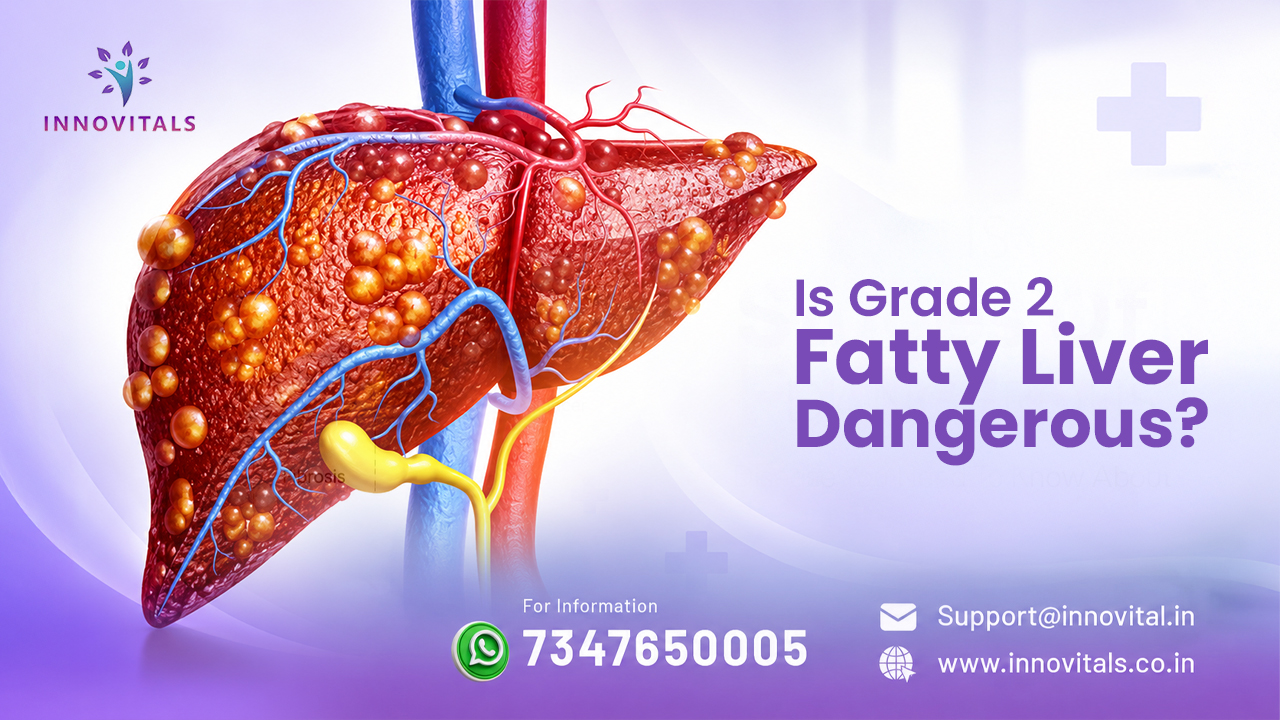
Is Grade 2 Fatty Liver Dangerous?
When someone receives a diagnosis of “Fatty Liver Grade 2” in their report, it can cause them to feel anxious and anxious. Although it is a dangerous condition, most people’s health is not immediately threatened by it. Grade 2 means that the liver has accumulated enough fat, had some moderate inflammation, and experienced some mild stress, but no long-term harm has yet been done.
The only method to determine how long the liver will remain under stress and move closer to the latter stages of liver injury (such as fibrosis, inflammation, or possibly cirrhosis) at this point is if the fatty liver disease (FLD) grade is neglected over time.
The good news is that there are many chances to potentially reverse Grade 2 FLD with prompt lifestyle modification; thus, now is the ideal moment to seize these chances by changing one’s lifestyle rather than becoming anxious.
Can Grade 2 Fatty Liver Be Cured Completely?
In actuality, most individuals with Grade 2 fatty liver may fully reverse the illness, returning their liver to its pre-diagnosis state in terms of both appearance and function. Over time, inflammation will subside, liver fat can progressively decrease, and blood tests will return to normal levels.
A significant improvement will typically be visible on follow-up ultrasounds or FibroScan, and in certain cases, your liver may appear completely normal again! For individuals who were initially diagnosed with fatty liver disease, this may seem like a miracle, but the liver’s capacity to recover from the various mechanisms that led to the illness is truly remarkable!
After that, I think it’s important to comprehend what “cure” means when discussing fatty liver. Fatty liver is more of a problem that is impacted by your lifestyle (i.e., what you eat) and metabolic health than it is an illness that will go away after treatment.
Therefore, the amount of fat in your liver may gradually start to return if the contributing factors that may have initially caused your fatty liver do return to pre-existing levels, such as eating poorly, being overweight, having insulin resistance, not exercising regularly, and/or experiencing long-term stress. This is one of the main reasons why most medical professionals do not discuss a long-term cure; instead, they may discuss strategies to manage the illness for many years to come!
It is better to think of reversal as a process rather than a destination. Many people see noticeable benefits in just a few months, but sustaining those gains calls for continued body maintenance. This does not entail living in dread or under continual constraints. It entails developing habits that help your liver over time, such as eating more whole meals, exercising frequently, and maintaining a healthy weight and blood sugar range.
A diagnosis of Grade 2 fatty liver can therefore be a pivotal moment. It provides an opportunity to change behaviours before major harm happens and to safeguard not only your liver but also your general health for many years to come.
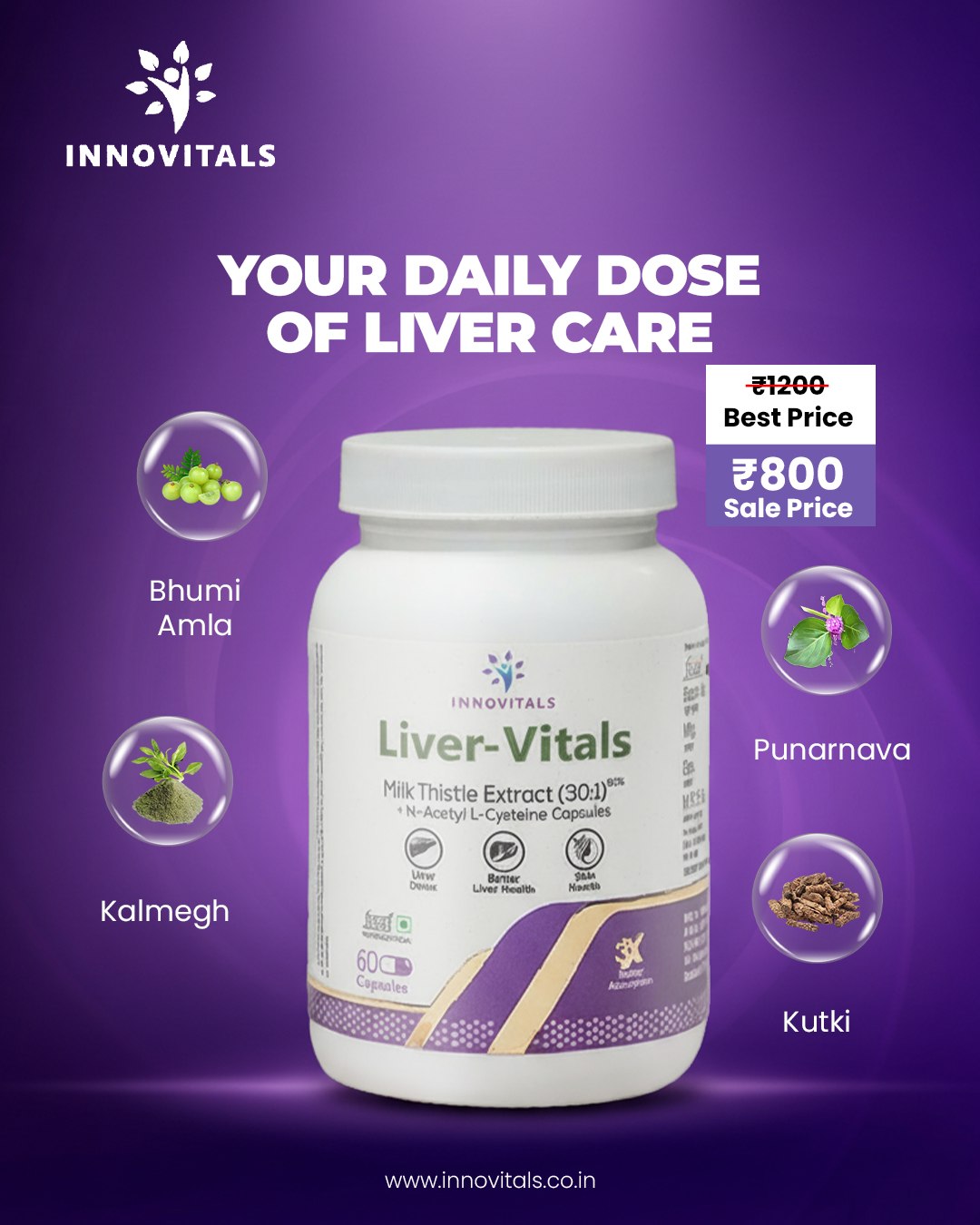
Liver Vital
What Does Science Say About Reversal?
It is important to know that there is ample scientific evidence of this; it is not simply beautiful words. There are various clinical studies that show that losing about 7–10% of body weight results in a drastic reduction in fat, inflammation, and, in many cases, helps people with early-stage fibrosis. The liver gets some relief even by reducing a small amount of body weight. It is possible to reduce fat in the liver through reducing body weight by only 3–5%. Greater healing effects are usually seen by the time body weight is reduced by 7–10%.
It is recommended by the American Association for the Study of Liver Diseases and other liver associations to lose weight and change lifestyle as a treatment method for fatty liver disease. The liver is very robust. In most cases, it responds faster than expected when you reduce the burden on it.
What Determines Whether Your Fatty Liver Can Be Fully Reversed?
Everybody’s experience with Grade 2 fatty liver is different. Six months later, two individuals may have the exact same ultrasound report but quite different results. Why? Because reversal is dependent on a few critical elements, the majority of which are under your control.
How Early You Act
Time is important. Your chances of a complete reversal are higher if you react to a Grade 2 diagnosis as soon as possible. Most people still have little to no long-term scarring (fibrosis) at this point. Reversal becomes more difficult and takes longer as fibrosis progresses. Taking action right now creates the ideal healing environment for your liver.
Weight and Fat Distribution
Visceral abdominal fat can harm the liver; waist circumference has decreased even in the absence of a significant change in LT. A smaller waist circumference may benefit the liver; measurements will demonstrate this.
Blood Sugar Regulation and Insulin Resistance
Insulin resistance and fatty liver are tightly related. The liver is continuously forced to retain more fat if you have diabetes, prediabetes, or elevated fasting insulin levels. The likelihood of reversal is significantly increased by increasing insulin sensitivity through diet, exercise, and weight loss.
Diet Quality (Not Just Calories)
The liver may respond extremely differently to two diets that have the same number of calories. Diets heavy in fructose, sugar-filled beverages, refined carbohydrates, and highly processed meals actively encourage the buildup of liver fat. However, diets high in complete foods—vegetables, lean protein, healthy fats, and fiber—help the liver burn fat instead of storing it. For this reason, it’s crucial to pay attention to both what and how much you eat.
Consistency Over Perfection
Although they take time to recover, livers react well to consistency. The best long-term outcomes are typically seen by those who make modest, long-term modifications as opposed to drastic, short-term diets. Instead of shock treatment, your liver wants consistent support.
What Happens If You Ignore Grade 2 Fatty Liver?
Although uncomfortable, this is a crucial inquiry. Ignoring Grade 2 fatty liver can cause inflammation and fat buildup to develop silently. Over time, this could result in:
Fibrosis (development of scar tissue)
Steatohepatitis without alcohol (NASH/MASH)
Cirrhosis in a tiny but noteworthy proportion of individuals
Elevated risk of type 2 diabetes and heart disease
The fact that fatty liver is frequently silent is what makes it particularly deadly. Many people don’t feel “mostly fine” until the damage has progressed. Grade 2 is the stage where the alarm is going off, but the home isn’t yet on fire, which is why it’s such an important turning point.
Supplements to Support Reversal of Grade 2 Fatty Liver
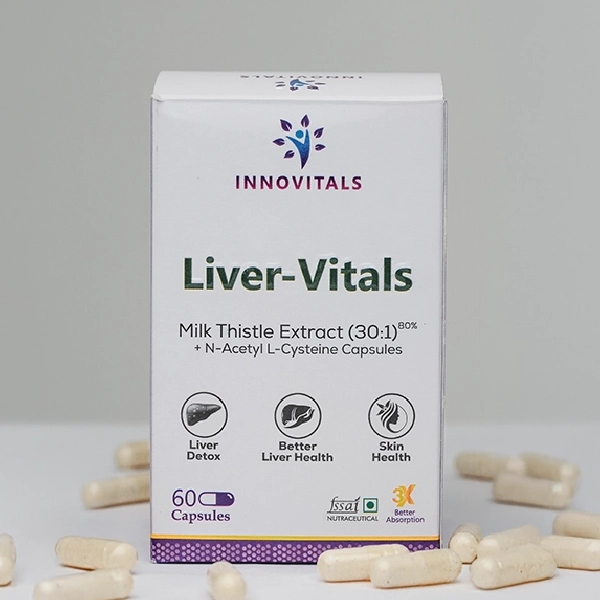
During Grade 2 fatty liver, some vitamins can assist liver repair in addition to dietary and lifestyle modifications. A common option is a liver detox supplement that combines milk thistle and dandelion root with N-acetylcysteine (NAC). In order to boost the body’s capacity to detoxify itself and lessen oxidative stress—the harm brought on by free radical activity—NAC is an agent that aids in the production of glutathione, the most potent form of antioxidant protection for the liver.
Silymarin, another name for milk thistle, has a long history of usage as a liver-protective drug that promotes hepatic cell regeneration. Dandelion root has long been used to promote healthy liver function and aid in the production of bile.
Finally,
A diagnosis of Grade 2 Fatty Liver Disease is an early warning sign and a chance to make some changes, not a death sentence. Although your liver is now under stress, it can still recover if you take prompt, efficient action to regularly alter your lifestyle choices under the right advice from a competent professional.
It won’t work to find quick treatments to get your body healthy. However, you can have a very significant impact on your health if you gradually improve your body weight, metabolic health, nutrition, and exercise habits. Being flawless in every aspect is not as crucial as being consistent. You can give your liver the best chance of healing by taking action now, which will also offer you the best chance of maintaining your general health for many years to come!
Indeed, at the Grade 1–Grade 2 (mild-moderate) fatty liver stage, the liver can frequently recover or return to normal. The liver can renew itself quite well. Many patients find considerable improvements in their fatty liver, and in some cases, a total reversal of the condition, when they make a persistent long-term effort to reduce around 5–10% of their body weight, eat a balanced diet, and continue to be physically active.
How many days does it take to reverse a Grade 2 fatty liver?
Before you can reverse a fatty liver caused by obesity (Grade 2), you must adopt a healthy lifestyle for approximately three to six months. Changing your food habits, increasing your physical activity, and starting to lose weight are all examples of implementing a healthy lifestyle. Although you can detect changes in your liver earlier, real changes don’t occur until you have lost 5% to 10% of your body weight, at which point your fatty liver will drastically reduce.
What is the best exercise for fatty liver grade 2?
The optimum kind of exercise for grade 2 fatty liver is 150 to 200 minutes per week of moderate-intensity aerobic activity (such as brisk walking, cycling, or swimming) combined with two to three times a week of strength training to improve your body’s ability to use insulin and increase fat burning. Consider using Pilates or yoga to assist lower stress levels. Before starting any kind of workout regimen, always get medical approval, and make an effort to select activities that you will be able to stick with over time.
Is grade 2 fatty liver serious?
A medium amount of fat in the liver is known as grade 2 fatty liver. It frequently has to do with inflammation and the early formation of scar tissue. Although a fatty liver is typically not fatal, it is undoubtedly an indication that something is wrong with your body. You may frequently reverse fatty liver if you make lifestyle changes like altering your diet, exercising frequently, and losing five to ten percent of your body weight. Severe liver damage may result if you do nothing about this problem, such as going long periods of time without addressing it.
What not to eat in fatty liver grade 2?
Alcohol and foods high in unhealthy fats should be avoided since they increase blood sugar and encourage weight gain, which puts additional strain on the liver.
Approximately 1 in 4 persons worldwide suffer from fatty liver disease; however, the majority are unaware of it. It simply builds up until a doctor notices it on an ultrasound or during routine blood work; it doesn’t proclaim itself with pain or other evident symptoms. If you have been diagnosed with grade 2 fatty liver, your liver cells contain a moderate quantity of fat.
Currently, your liver is still functioning, but it is under strain because of extra fat. If no action is taken in this regard, gradually, inflammation and damage to the liver may begin. The good news is that this situation has been identified early enough so that you can take action. By making small, appreciable changes in your eating, physical activity, and other health-related activities, your liver will recover.
What Is Grade 2 Fatty Liver?
A substantial quantity of fat has built up inside the liver cells in cases of grade 2 fatty liver. Even while fat accumulation is now readily visible on imaging tests like ultrasonography, many people’s livers are still able to operate normally. However, if treatment is not received, it may cause inflammation and stress on the liver cells, which may eventually lead to more severe stages of liver disease. According to research, those with mild fatty liver are more likely to develop more serious liver diseases if they don’t make lifestyle adjustments right away. To maintain liver health and stop additional issues, early detection and treatment are crucial.
Is Grade 2 Fatty Liver Dangerous?
Indeed. It’s important to treat moderate fatty liver. Approximately 25–30% of persons globally suffer from fatty liver disease, and 20% of those who are diagnosed have moderate or grade 2 fat accumulation. Since fatty liver rarely produces symptoms, it is simple to overlook.
Here’s the issue, though. Life-threatening conditions can arise from moderate fatty liver. If left untreated, it may eventually result in cirrhosis, scarring, and inflammation. The good news is that you can actually reverse the illness at this point by making lifestyle adjustments, including eating better, exercising frequently, and losing a small amount of weight.
Consider grade 2 to be a red flag. Your liver is alerting you to the need for assistance, and there is still time to address it. Just a few easy adjustments can make a big difference. Cut back on junk food and sugary drinks. Increase your intake of fruits and vegetables and go for a daily 30-minute walk. A mere 5–10% reduction in body weight can have a significant impact.
Taking action right now is crucial. To let your doctor know whether things are getting better, schedule routine checks. Don’t ignore it, but also try not to freak out. The most important thing is that you are identifying this early enough to take action.
Symptoms of Grade 2 Fatty Liver
Because most patients with grade 2 fatty liver have no symptoms, the condition is referred to by medical professionals as a “silent disease.” But when symptoms do manifest, keep an eye out for these:
Typical signs and symptoms include:
Persistent fatigue or weakness
Your liver is located on the upper right side of your abdomen, which may cause discomfort or a dull ache.
Having a full or weighty stomach
Mild weight gain or difficulty dropping pounds
More severe warning indicators:
Jaundice, or yellowing of the skin and eyes
Swelling in your legs and abdomen
Confusion or trouble focusing
What Causes Grade 2 Fatty Liver?
According to research, one in four people has fatty liver, which is caused by improper fat processing by the liver. Among the primary factors are:
Being Overweight or Obese: Your liver is under a lot of stress when you are overweight. Your liver has to work harder when your body has excess fat.
Insulin resistance, also known as type 2 diabetes: If you have type 2 diabetes, your body is unable to use insulin as it should, which eventually causes fat to accumulate.
Bad diet: Consuming excessive amounts of processed foods, sweets, and unhealthy fats might cause your liver to become overly fatty.
Lack of activity: A sedentary lifestyle exacerbates the issue and leads to the accumulation of fat on the liver if you don’t exercise or move about much during the day.
High cholesterol or triglycerides: High triglycerides or cholesterol indicate that your blood already contains too much fat, which is then stored in your liver.
Excessive alcohol consumption: Excessive alcohol consumption overwhelms your liver’s capacity to handle alcohol.
Certain medications: Fat accumulation may result from certain medications, such as steroids or cancer therapies.
Family history: Some people may be more susceptible to fatty liver due to genetics.
Diet and Lifestyle Changes That Help
One of the best strategies to cure grade 2 fatty liver is to make dietary and lifestyle modifications. What works is as follows:
Foods to consume more of:
Fresh produce
Brown rice, oats, and whole wheat bread are examples of whole grains.
Fish, poultry, beans, and lentils are examples of lean protein.
Nuts, avocados, and olive oil are good sources of fat.
Omega-3 fatty acids are found in fatty fish like salmon.
Foods to restrict or stay away from:
Sodas and sugary beverages
Pasta, white rice, and white bread
Processed and fried foods
Processed meats and red meat
Foods with added sugar flavours
Too much salt
Liver Vital
Exercises that help:
Your liver’s fat content can really be decreased with regular aerobic activity. You don’t have to work out hard. Simple exercises are effective.
Every day, go for a 30-minute brisk stroll.
Cycling or swimming
Twice a week, strength training
According to studies, liver fat and inflammation can be considerably reduced by decreasing merely 5–10% of your body weight.
Some significant adjustments you ought to make are:
Sleep for seven to eight hours every night.
Use deep breathing, yoga, or meditation to reduce stress.
Reduce or give up alcohol entirely
If you have high cholesterol and diabetes, manage them.
How Can Nutritional Support Help?
Although nutrition and exercise are the cornerstones of liver health, there are certain vitamins and supplements that, when selected and taken appropriately, may improve liver health. The potential of some components to assist the liver and lessen fat buildup has been investigated. Among these is N-Acetyl Cysteine (NAC), which aids in the production of glutathione, the body’s most potent antioxidant. After three months, NAC supplementation dramatically reduced liver enzyme levels in patients with fatty liver disease, according to research.
Next, silymarin, a substance that shields liver cells, is found in milk thistle. Silymarin decreased liver fat, according to a comprehensive analysis of 26 studies with 2375 individuals.
Some research indicates that betaine, which is abundant in beetroot extract, aids in the reduction of liver fat. A study on PubMed Central supports this finding as well.
By boosting bile production, which aids the liver in eliminating waste and improving fat digestion, dandelion extract also promotes liver detoxification.
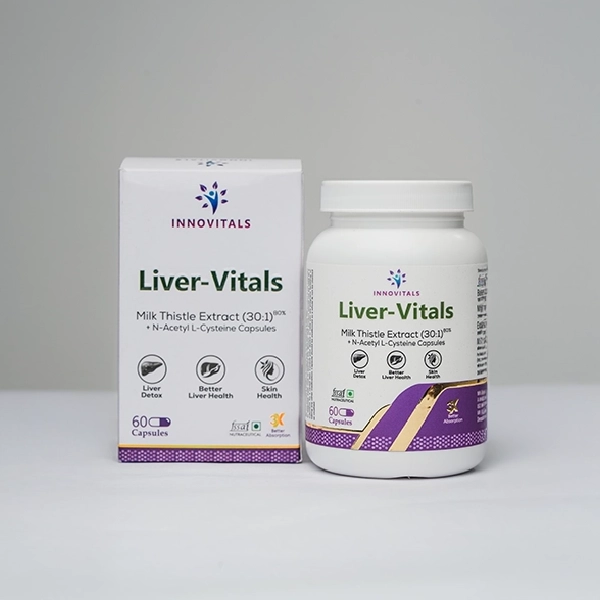
Look for a liver detox product that incorporates these components. All of these professionally validated components are included in Innovital’s liver vitals supplement to promote the health of your liver.
Omega-3 Fatty Acids: In individuals with fatty liver disease, omega-3 supplementation dramatically decreased liver fat, according to a study published in PubMed Central. A daily intake of 1000–3000 mg of EPA and DHA is advised. Omega-3 helps your liver burn down fat more efficiently and lowers inflammation.
Supplements help maintain the health of your liver, but they should never take the place of medications or good behaviours. They are most effective when combined with diet, exercise, and medications.
Can Grade 2 Fatty Liver Be Reversed?
In most circumstances, it is possible to reverse grade 2 fatty liver. With the correct diet and lifestyle adjustments, it can be reversed. When you provide your liver with the proper care, it has an amazing capacity to heal itself.
How long does it take?
Depending on the individual and the severity of the ailment, the timeline may change. With the right care, it can take three to four months to reverse.
What does “reversal” mean here?
Liver fat significantly drops
Liver enzyme levels return to normal.
Reduced inflammation
Improvements in liver function
Success is dependent upon:
How much weight you shed (even 5–10% is effective)
A warning sign to take control of your health is grade 2 fatty liver. If you give your liver the proper support, it is the only organ that can heal itself. Extreme dieting or overnight alterations are not necessary. Consistency and dedication to little, long-lasting habits that accumulate over time are what you need.
Today, start with one thing. Perhaps it’s giving up sugar-filled beverages. After supper, it might be a 20-minute stroll. Just get started, whatever it is. Even a 5–10% weight loss can reverse liver fat, and significant benefits usually take three to four months to manifest.
Every day, your liver puts forth a lot of effort on your behalf. It’s time to repay the favour now. You have all you need to make things better.
Although grade 2 fatty liver is a major concern, it can be controlled or even reversed with the right drugs, supplements, and dietary and lifestyle modifications.
Can fatty liver cause ankle swelling?
Yes. Fatty liver can accumulate fluid in the body in advanced stages, which could cause swelling in any area of the body.
What is the life expectancy of a person with stage 2 fatty liver disease?
The effectiveness of the condition’s management determines life expectancy. Many people maintain their regular lives while making the necessary lifestyle adjustments.
If assistance is given, the liver is the only organ that can heal itself. It may not be able to fully recover, but scarring and inflammation can be healed.
What medication is used for Grade 2 fatty liver disease?
For grade 2 fatty liver, there isn’t a specific medication. Treatments often concentrate on managing obesity, diabetes, and routine general health monitoring.
How long can you live with fatty liver grade 2?
Grade 2 fatty liver does not automatically mean a shortened lifespan. With healthy lifestyle changes and proper medical monitoring, many people can manage it well and prevent progression.
Can I eat rice in fatty liver grade 2?
Yes. You can eat rice in moderation. Prefer smaller portions and combine rice with vegetables, dal, lean protein, and other high-fiber foods. Brown or minimally processed rice can be a good option.
How can I reduce my grade 2 fatty liver naturally?
Focus on gradual weight loss if overweight, regular exercise, a balanced high-fiber diet, limiting sugar and processed foods, avoiding excessive alcohol, and managing blood sugar and cholesterol.
Is paneer good for fatty liver grade 2?
Paneer can be included in moderation. Choose smaller portions and preferably lower-fat paneer, while prioritizing a balanced diet rich in vegetables, whole grains, and lean protein.
Can I eat rice in fatty liver grade 2?
Yes. Rice does not necessarily need to be completely avoided. Keep portions controlled and avoid pairing large amounts of rice with sugary, fried, or highly processed foods.
Is medicine required for fatty liver grade 2?
Not always. Treatment depends on the underlying cause, liver inflammation, fibrosis risk, weight, diabetes, cholesterol, and other health factors. A doctor can determine whether medication is appropriate.
How serious is stage 2 liver?
If by “stage 2” you mean grade 2 fatty liver, it indicates a moderate amount of fat in the liver and should be taken seriously. It is often manageable, but untreated fatty liver can progress to inflammation and fibrosis.
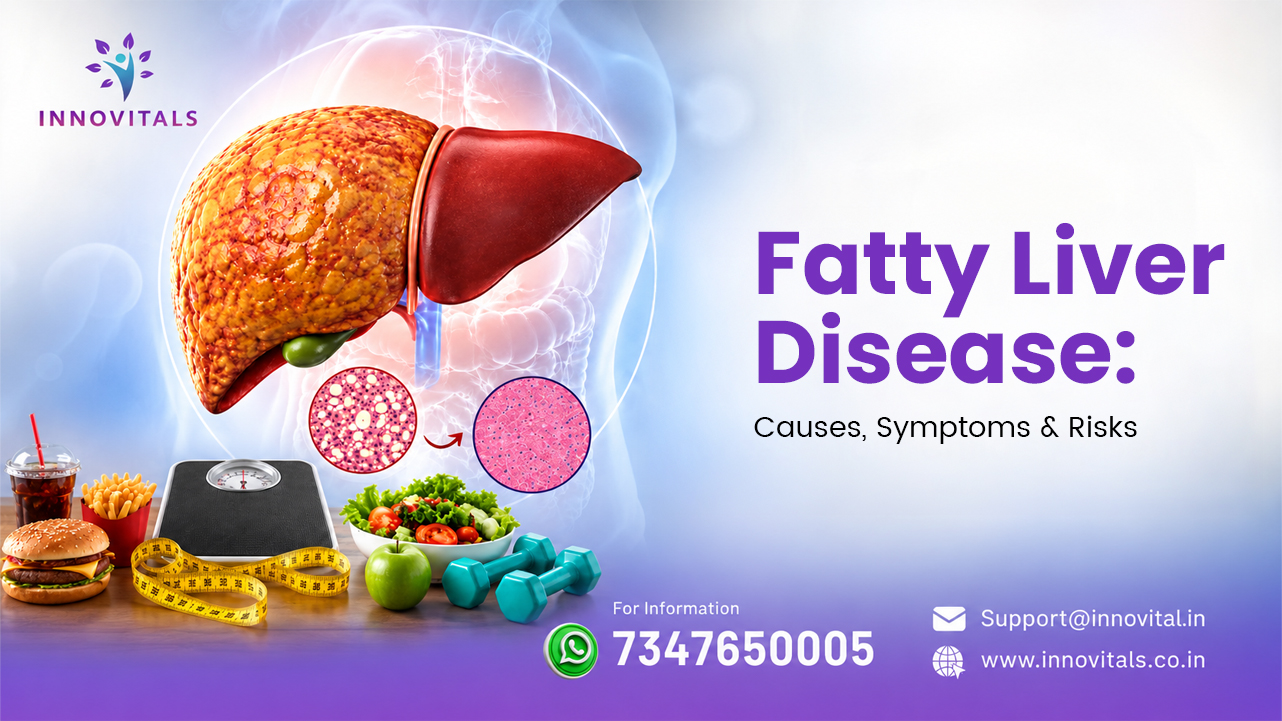
Excess fat accumulates in the liver in a condition known as fatty liver disease. Small levels of fat are normal, but excessive fat might disrupt the liver’s function. It is frequently associated with obesity, diabetes, high cholesterol, or significant alcohol consumption, according to a study published in the Diabetology & Metabolic Syndrome Journal. Many times, there are no obvious signs at first. But if unchecked, it can cause cirrhosis, liver damage, or inflammation.
The good news is that the disorder may frequently be reversed in its early stages with lifestyle modifications like regular exercise, a nutritious diet, and weight control.
Types of Fatty Liver Disease
When too much fat builds up in the liver, it can lead to fatty liver disease. The development of fatty liver disease can occur for a variety of reasons. Apart from the modest buildup of fat in the liver known as steatosis, other phases of fatty liver disease include fibrosis and inflammation, which, if ignored, can result in cirrhosis.
Alcoholic fatty liver disease (AFLD) and non-alcoholic fatty liver disease (NAFLD) are the two kinds of fatty liver disease.
Alcohol-related liver injury, or Alcoholic Fatty Liver Disease, is caused by excessive alcohol use that damages liver cells and accumulates extra fat, which inflames the liver.
Non-Alcoholic Fatty Liver Disease is usually associated with other medical disorders including obesity, diabetes, or metabolic syndrome. It happens when a person either doesn’t drink at all or drinks very little alcohol.
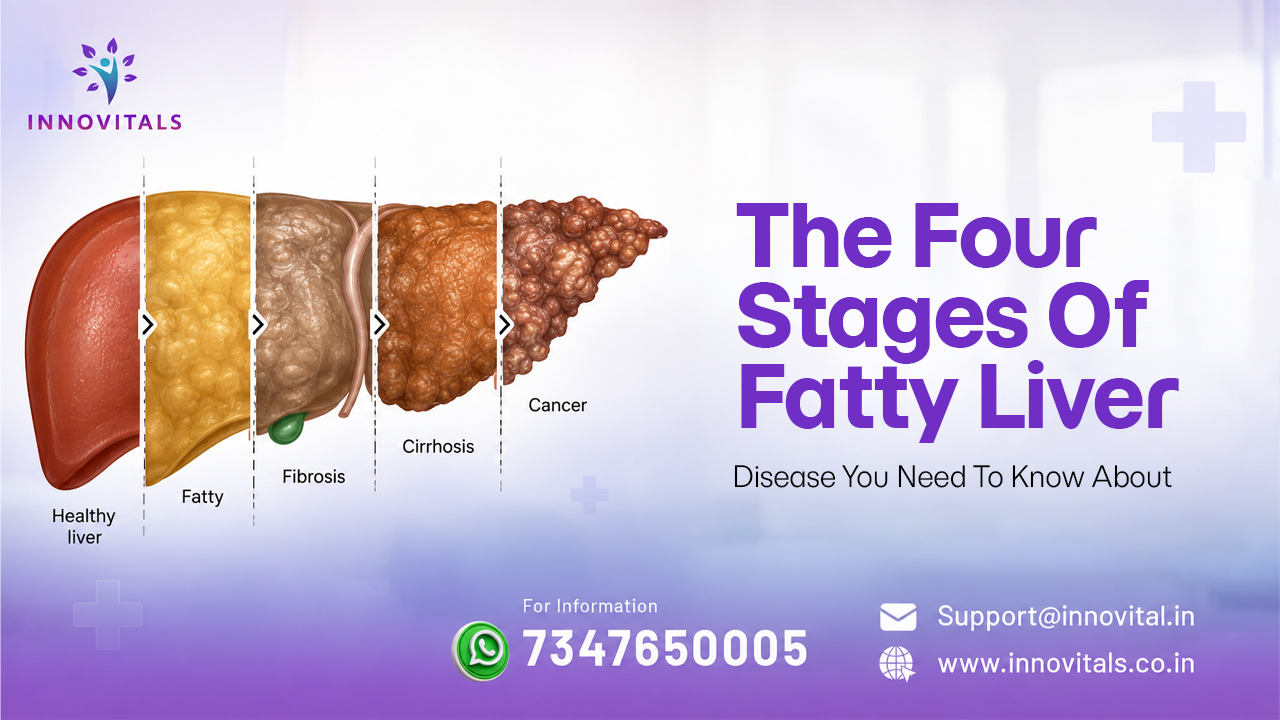
Stages of Fatty Liver Disease
Before the condition is under control, fatty liver disease might go thru several stages and develop slowly. Each step represents several levels of damage.
Stage 1 Fatty Liver (Steatosis) – Fat buildup and minimal to no inflammation or damage characterize stage 1 fatty liver (steatosis). can be undone by altering one’s lifestyle.
Stage 2 Fatty Liver (Steatohepatitis) – Steatohepatitis, or stage 2 fatty liver, is linked to inflammation and fat buildup. If gaps are not filled, liver damage may get worse.
Stage 3 Fatty Liver (Fibrosis) – Persistent inflammation that impairs liver function and results in the creation of scars inside the liver.
Stage 4 Fatty Liver (Cirrhosis) – A permanent loss of normal liver function as a result of the liver’s normal function being replaced by a severely growing scar. liver failure risk.
Causes of Fatty Liver Disease
When extra fat accumulates in the liver as a result of metabolic issues or unhealthy lifestyle choices, fatty liver disease results. This buildup of fat has the potential to disrupt regular liver function over time. Typical reasons consist of:
Cause
Description
Obesity (especially abdominal fat)
One of the most frequent causes of fatty liver is being overweight, especially belly fat, which increases the amount of fat stored in the liver and increases the likelihood of developing symptoms over time.
Type 2 Diabetes / Insulin Resistance
Insulin resistance is a crucial factor in the causes and progression of fatty liver because when the body cannot use insulin effectively, excess sugar is turned into fat.
High Cholesterol / High Triglycerides
Because they worsen metabolic imbalance and increase fat storage in liver cells, elevated blood fats can directly contribute to causes of fatty liver.
Excess Alcohol Consumption
Drinking excessively or for extended periods of time destroys liver cells, which is a well-known cause of fatty liver and can eventually result in symptoms.
Lack of Regular Exercise
Sedentary lifestyles increase fat storage and impede metabolism, which can lead to fatty liver and make it harder for the body to correct early-stage disease.
Unhealthy Diet (Sugary & Processed Foods)
Frequent use of processed meals, refined carbs, and sugary drinks encourages the liver to produce fat, making diet one of the main causes of fatty liver.
Excess Calorie Intake
Consuming more calories than the body requires on a regular basis increases the risk of fatty liver symptoms and consequences by causing fat to be stored throughout the body, including the liver.
Additional Causes of Fatty Liver
Your risk may be elevated if fatty liver disease runs in your family.
Corticosteroids are among the drugs that might cause fatty liver.
Hypothyroidism and PCOS are two examples of hormonal disorders that can increase the risk.
Hepatic fat accumulation may result from rapid weight loss.
Low oxygen levels from sleep apnoea might exacerbate fatty liver.
Fatty liver may be a result of a persistent Hepatitis C infection.
The liver can be harmed by exposure to environmental pollutants like chemicals.
Fatty Liver Risk Factors
Whether or not there are any obvious symptoms at the moment, there are a number of factors that can raise the chance of developing fatty liver disease. Among them are:
Elevated blood pressure
Ovarian polycystic syndrome
Apnoea during sleep
Liver illness in the family
Unhealthy dieting or rapid weight loss
Symptoms of Fatty Liver Disease
Many people may be unaware that they have fatty liver disease because it frequently has no symptoms in its early stages. Symptoms may start to manifest as the illness worsens and the damage to the liver increases.
Common Symptoms
Low Energy
Discomfort or pain in the upper right side of the abdomen
Unexplained weight loss
Weakness
Nausea
Enlarged Liver
Jaundice
More severe symptoms like jaundice, swelling in the legs or abdomen, and appetite loss may appear as the illness progresses.
Diagnosis and Tests for Fatty Liver
A combination of medical history, physical examination, laboratory testing, and imaging techniques are typically used to identify fatty liver disease. Before suggesting additional testing, doctors evaluate risk factors like alcohol consumption, diabetes, and obesity.
Blood Tests and Imaging
Liver enzyme levels are frequently measured via blood testing. Increased enzyme levels could be a sign of liver damage or inflammation. However, fatty liver disease is not always ruled out by normal results. The existence of fat in the liver can be verified by imaging testing.
The first test to identify fat accumulation is frequently ultrasound.
FibroScan assesses the fat and stiffness of the liver.
Liver Biopsy and Advanced Scans
The most reliable method for determining the degree of liver damage is a liver biopsy. It entails using a microscope to examine a tiny sample of liver tissue. Without the necessity for surgery, sophisticated imaging methods like MRI elastography offer comprehensive information regarding liver fat and scarring.
Treatment and Management for Fatty Liver
Fatty liver disease cannot be totally cured by a single drug, but by treating its underlying causes, it can frequently be reversed or effectively managed. The best strategy is still to make lifestyle adjustments early on, especially in the early phases.
Lifestyle Changes and Diet
Weight Loss: The body will store fat in the liver as a result of excess body fat, particularly in the abdomen. A person’s body will start using stored body fat, including fat in the liver, for energy when they lose weight. Even a 5–10% weight loss can significantly reduce inflammation and the amount of fat deposited in the liver, according to the study published in the Hepatitis Monthly Journal.
Intermittent Fasting: By lowering insulin levels, intermittent fasting causes the body to switch from storing fat to burning it, which will eventually result in reduced fatty liver formation.
Low Carb Diet: Consuming a lot of processed carbohydrates and sweets raises insulin levels and causes the liver to produce more fat. Reducing sugar and processed carbs will increase your insulin sensitivity, which will lower the liver’s ability to produce new fat.
Eating Healthy Fats: Walnuts, flax seeds, chia seeds, avocados, fish oil (omega-3 fatty acids), and other foods will assist improve the liver’s ability to metabolize fat and reduce inflammation.
Better Digestion: Eating fibre can not only help you stay regular but also ease the strain on your liver during food digestion. A balanced metabolism will be supported by intestinal health.
Liver Vital
Medications and Medical Interventions
Changing one’s lifestyle is the most important approach to treat this problem, however some people may require medication, particularly if they have advanced liver disease or metabolic disorders. Doctors may recommend drugs to reduce cholesterol and triglycerides or to improve insulin resistance (type 2 diabetes drugs).
The extent of liver damage, preexisting medical conditions, and other risk factors will determine the course of treatment, which should always be carried out under the supervision of a healthcare professional. In certain situations, specific medications may be used to help reduce inflammation of the liver or to try and stop further scarring of the liver.
Complications & Progression Risks
Fatty liver disease can worsen and cause major issues if it is not treated. The issue starts with an accumulation of fat in the liver, which can result in cirrhosis, inflammation, scarring, and possibly even total liver failure or liver cancer. In severe circumstances, the patient will require a liver transplant. Because of this, it is crucial that the diagnosis be established as soon as possible and that lifestyle modifications be put into place right once.
Best Supplements for Fatty Liver Support
By implementing certain dietary, lifestyle, and supplemental modifications, you may be able to enhance the function of your liver. The following are some examples of supplements that might help you in your attempts to strengthen the health of your liver:
N-acetylcysteine (NAC): It increases the amount of glutathione, a strong antioxidant that is essential for liver function since it keeps liver cells healthy. The function of antioxidants in liver health is further highlighted by the fact that it helps lower oxidative stress and may aid in liver recovery in situations involving inflammation or exposure to toxins.
Milk Thistle: Its active element, silymarin, may aid in liver regeneration and lower hepatic inflammation. It is frequently used as a natural supplement to nourish the liver and may shield liver cells from additional harm.
Dandelion Root: In the past, dandelion root has been used to cleanse the liver and encourage healthy bile flow. Encouraging bile flow can improve the body’s ability to remove waste and aid in digesting. See the significance of bile flow in digesting.
Omega-3s: They help maintain a healthy heart and reduce inflammation and fat in the liver. Additionally, they might enhance insulin sensitivity, which is crucial for controlling fatty liver disease.
Curcumin (Turmeric): Turmeric’s curcumin helps maintain metabolic equilibrium and support the liver. Its potent anti-inflammatory qualities may promote general metabolic health and lessen inflammation in the liver.
To save time and benefit from the synergistic combination of several powerful substances in a single product, many people opt to utilize a liver detox supplement that already contains NAC, milk thistle, and dandelion root.
liver detox supplement
Prevention & Long-Term Fatty Liver Management
In order to manage your fatty liver disease and prevent it from growing worse, you must make good lifestyle changes. Regular exercise and a balanced diet can help you maintain a healthy weight, improve your metabolism, and lower your long-term risks.
Exercise Routines & Meal Suggestions
In addition to focusing on eating a lot of fruits, vegetables, lean proteins, and healthy fats while cutting back on sugar, refined carbs, alcohol, and unhealthy fats, you should aim for at least 150 minutes of moderate aerobic activity per week, including two days of resistance training.
Monitoring and Follow-up
Regular examinations, blood testing, and imaging tests will enable doctors to track development and identify issues early. Maintaining the effectiveness of your treatment plan will also be aided by routine follow-up appointments.
When to Call Your Physician
You should consult your doctor if you experience prolonged exhaustion, abdominal pain, yellowing of the skin or eyes, swelling of the legs, mental disorientation, or any recognized risk factors for liver disease. The development of more severe consequences can be prevented with early treatment.
Finally,
There are different ways to help in the prevention and treatment of fatty liver disease. As one has to pay close attention to their diagnosis, they should be thankful to the fact that lifestyle changes may be a successful way to deal with the issue.
For some patients diagnosed with fatty liver disease, changing their diet, increasing physical activity, maintaining a healthy weight, and minimizing alcohol intake can be really helpful. The secret to achieving such results lies in making positive changes consistently instead of trying to achieve maximum results within the shortest period.
What matters most about the process of recovering from the diagnosis is the relationship between the concept of consistency and that of perfection. Thus, the aim here is to help patients understand the importance of learning more about their health and following the advice of doctors during medical appointments held on a regular basis.
In this way, compliance with numerous recommendations and adherence to one’s lifestyle will make it possible for a patient to prevent and treat fatty liver disease.
Excess fat has accumulated within your liver cells if you have fatty liver. It’s one of the most prevalent liver diseases nowadays, particularly in light of the growing number of metabolic health problems.
What are the main fatty liver causes?
Obesity, insulin resistance, high cholesterol, type 2 diabetes, poor diet, and excessive alcohol intake are the most prevalent causes of fatty liver.
What are the early fatty liver symptoms?
Fatty liver frequently has no obvious signs in its early stages. For this reason, a lot of people are unaware that they have it.
Can fatty liver cause fatigue?
Indeed, when the liver isn’t working at its best, a lot of people report feeling unusually exhausted or short on energy.
Does fatty liver cause pain?
Although significant pain is rare in the early stages, some patients may experience little discomfort or heaviness in the upper right side of the abdomen.
What are the symptoms of fatty liver disease in men?
Fatty liver often causes few or no symptoms. When symptoms occur, they may include fatigue or discomfort in the upper-right abdomen.
How to deal with fatty liver?
Healthy lifestyle changes are the main approach. Gradual weight loss, regular physical activity, a balanced diet, and limiting alcohol can help reduce liver fat and inflammation.
What are the main causes of fatty liver disease?
Common risk factors include overweight or obesity, insulin resistance, type 2 diabetes, high triglycerides or cholesterol, metabolic syndrome, and excessive alcohol use. Some medicines and genetic conditions can also contribute.
What are the best supplements for fatty liver disease?
There is no universally recommended supplement for fatty liver. Some supplements may interact with medicines or even cause liver injury, so consult a healthcare professional before taking supplements for liver health.
What are 5 signs of a fatty liver?
Fatty liver can be symptom-free. Possible symptoms include fatigue, reduced appetite, nausea, abdominal discomfort, and weakness. Testing is needed to confirm the condition.
Can fatty liver become normal?
Yes. Fatty liver can improve, particularly when its underlying causes are addressed. Gradual weight loss, healthy eating, and physical activity can reduce liver fat, while greater weight loss may also improve inflammation and fibrosis.
You keep track of calories. You walk. However, your liver is still having trouble. You’ve switched from soda to sparkling water. You even enrolled in a Zumba course. Nevertheless, increased liver enzymes were seen in your most recent blood test. What does “fatty liver,” which your doctor mentioned in passing, actually mean? In actuality, a large number of health-conscious individuals are unaware that they have fatty liver disease. Additionally, symptoms don’t always appear until the harm is too severe.
Fatty liver actually acts as a silent visitor at your dinner table, responding to your eating habits, stress levels, sleep patterns, and routines. Let’s examine the four stages of fatty liver disease, their implications for your health, and how you may react both quickly and strategically.
What Is Fatty Liver Disease?
When fat accumulates inside the liver cells beyond what the organ can safely handle, it is known as fatty liver disease. Although a modest amount of fat in the liver is perfectly normal, issues arise when fat makes up more than 5–10% of the liver’s overall weight. The liver can no longer perform its regular duties as it can when it is fully healthy (or entirely damaged).
Two main forms of fatty liver disease are brought on by alcohol use:
AFLD
NAFLD
Approximately 25% of people worldwide suffer from NAFLD. Fatty liver disease is a multifaceted ailment that many individuals are unaware of. Grades and stages are two distinct but related systems that clinicians use to assess this chronic illness.
Grades vs. Stages of Fatty Liver Disease – What’s the Difference?
This is one of the most misunderstood elements of fatty liver disease, and it makes perfect sense that some general practitioners use the phrases interchangeably when they shouldn’t. Although these names are frequently used synonymously, they have different meanings.
Grades: Grades 1 through 3 indicate the amount of fat that has built up in the liver.
Stages: Stages 1 through 4 monitor the disease’s general course, including scarring, liver cell destruction, and inflammation.
In short, staging assesses the severity of the condition, while grading assesses the amount of fat.
Stage 1 – Simple Fatty Liver
What Is Simple Fatty Liver (Steatosis)?
The initial and most controllable stage of fatty liver disease is simple fatty liver, also known as steatosis. Fat has started to build up in the liver cells at this stage, but there isn’t yet any noticeable inflammation or damage to the liver cells. Imagine it as the body raising a yellow flag, alerting you to the need for change.
Early Signs and Symptoms of Steatosis
This is the difficult part. The majority of persons with uncomplicated fatty liver have no problems at all. It frequently stays undiagnosed for years since there are rarely any overt symptoms, according to a study published in the National Library of Medicine. Some people may have nonspecific upper right abdominal discomfort or slight weariness, although these are simple to ignore.
Causes of Steatosis
Simple fatty liver is most frequently caused by poor eating habits (especially high intake of sugar and processed carbs), excessive alcohol use, fast weight loss, and certain drugs like tamoxifen and corticosteroids.
How Steatosis Develops
The liver starts accumulating excess fat in liver cells when it gets more fat than it can absorb, whether from dietary fat, free fatty acids released from body fat, or a process known as de novo lipogenesis, in which the body turns extra carbs into fat. This buildup accumulates over time.
Risk Factors of Steatosis
Obesity, type 2 diabetes, insulin resistance, high triglycerides, metabolic syndrome, and inactivity are the main risk factors. Additionally, some people are more likely than others to retain fat in their livers due to genetics.
Treatment for Stage 1 – Simple Fatty Liver
The good news is that basic fatty liver can be treated in most cases.
Lifestyle Changes (Diet and Exercise)
A study that was published in the British Medical Journal of Open Gastroenterology found that liver fat can be considerably reduced by decreasing just 5–10% of body weight. It is generally advised to have a diet high in whole grains, lean protein, healthy fats, and cruciferous vegetables. Reducing alcohol, refined carbohydrates, and added sugars has a quantifiable impact. It has been demonstrated that aerobic exercise, even 30 minutes of brisk walking five days a week, can lower liver fat without affecting weight loss.
Medications and Supplements
As of right now, the FDA has not approved any drugs to treat uncomplicated steatosis. However, there are several substances that could assist in enhancing the general health of the liver at this stage (basic fatty liver). These supplements could include vitamin E, omega-3 fatty acids, or milk thistle (silymarin). It is crucial that you see your doctor before beginning any kind of supplement regimen.
Non-alcoholic steatohepatitis (NASH), the second stage of NAFLD, is more severe. The accumulating fat from stage one has caused the liver’s cells to be damaged and inflamed. Although not everyone with mild steatosis will develop NASH, there are dire repercussions if they do. Inflammation is produced by oxidative stress and the immune system’s reaction to the accumulated extra fat; this persistent inflammation damages and kills the cells in the liver. If the persistent inflammation is not reduced, the liver may develop scar tissue.
Signs And Symptoms of NASH
Ongoing weariness is the primary symptom; however, many people will have minor indications and symptoms. The right upper part of the abdomen may also cause some discomfort or pain for certain people. Some will feel weak, lose weight without apparent reason, and/or have no energy. A liver biopsy is nearly always necessary to provide a conclusive diagnosis, even tho blood tests will frequently reveal an increase in liver enzymes.
Risk Factors for NASH
Type II diabetes, being overweight (≥30 waist), high cholesterol, polycystic ovarian syndrome (PCOS), sleep apnoea, and hypothyroidism are risk factors for NAFLD to develop into NASH.
Treatment for Stage 2 – NASH
Lifestyle Modifications
Changing one’s lifestyle is the cornerstone of treating NASH. It has been demonstrated that NASH can be resolved in a significant proportion of patients with a 7–10% reduction in body weight. At this point, dietary changes, regular exercise, and quitting alcohol are non-negotiable.
Medications for Inflammation
New FDA-approved treatments for NASH have emerged in recent years. In 2024, Resmetirom, also known by the brand name Rezdiffra, was approved as the first drug for NASH with liver fibrosis. Patients with non-diabetic NASH have also benefited from vitamin E. The best course of action for your particular circumstances will be guided by your hepatologist.
Regular Monitoring and Checkups
Regular liver function tests, ultrasounds, and even FibroScan testing become crucial at this point. Early detection of any fibrosis advancement enables quicker treatments.
The third stage, and a major escalation, is fibrosis. The liver has now developed scar tissue as a result of the continuous inflammation caused by NASH.
The liver tries to heal itself by making collagen when its cells are continually harmed. This collagen accumulates as scar tissue, disrupting the natural architecture of the liver and starting to replace healthy liver tissue.
Symptoms and Progression of Fibrosis
At this point, symptoms become more apparent. Jaundice (yellowing of the skin or eyes), fatigue, stomach swelling, and easy bruising are possible symptoms. The stages of fibrosis range from F1 (moderate) to F4 (overlapping with cirrhosis).
Risk Factors for Fibrosis
Fibrosis is accelerated by advanced age, diabetes, obesity, continued alcohol consumption, and uncontrolled NASH.
Treatment for Stage 3 – Liver Fibrosis
Lifestyle Changes to Reverse Fibrosis
Surprisingly, fibrosis that is early to moderate can still be reversed. Exercise, dietary modifications, and weight loss are first-line treatments. Research indicates that a consistent change in lifestyle can result in a quantifiable decrease in fibrosis scores.
Medications for Fibrosis Management
Researchers are currently investigating antifibrotic medicines in addition to NASH treatments. Certain supplements are being investigated in therapeutic settings, especially those having antioxidant and anti-inflammatory qualities.
Liver Health Monitoring
Nowadays, a popular non-invasive method for assessing liver stiffness and tracking the development or improvement of fibrosis over time is called FibroScan (transient elastography).
Stage 4 – Cirrhosis
What Is Cirrhosis?
The final and most severe stage of liver disease progression is thot to be cirrhosis. When the liver reaches the cirrhosis stage, it can no longer carry out basic tasks because the liver’s scarring has made it impossible for it to function properly. Unlike the earlier phases, cirrhosis is usually irreversible.
If the fibrosis damage persists permanently, the liver will be so damaged that it will not be able to create clotting factors, filter out pollutants from your body, or metabolize nutrients for your body.
Symptoms and Complications for Cirrhosis
Ascites (fluid accumulation in the stomach region), portal hypertension (high blood pressure in the veins supplying blood to the liver), and an increased risk of hepatocellular cancer due to cirrhosis of the liver are common signs and complications of cirrhosis.
Risk Factors for Cirrhosis
Cirrhosis risk factors include long-term NASH, high alcohol consumption, viral hepatitis, autoimmune liver disease, and genetic disorders.
Treatment for Stage 4 – Cirrhosis
Management of Complications
At this point, managing issues is more important than repairing damage. Common treatments include lactulose for hepatic encephalopathy, beta-blockers for portal hypertension, and diuretics for ascites.
Lifestyle Modifications to Prevent Further Damage
Even at this point, further degeneration can be slowed by abstaining from alcohol, eating a diet that is good for the liver, and avoiding hepatotoxic drugs.
Liver Transplant Consideration
A liver transplant might be the only practical long-term solution for people with decompensated cirrhosis, in which the liver is unable to maintain fundamental function. Eligibility for a transplant is determined by general health, the source of the illness, and alcohol abstinence.
How Fatty Liver Progresses from Steatosis to Cirrhosis?
There is no predetermined timeframe for the transition from steatosis to cirrhosis. While some people go through all four stages in ten years, others remain in the steatosis stage forever. Whether the underlying causes—poor diet, insulin resistance, obesity, and alcohol—are being addressed has a significant impact on the rate of development. For this reason, early intervention is crucial.
Preventing the Progression of Fatty Liver Disease
Early Detection and Monitoring
Elevated enzymes can be detected by routine liver function testing during yearly examinations before symptoms manifest. Ask your doctor about ultrasonography screening if you have any of the recognized risk factors. It all changes if you catch this in the first stage.
Lifestyle Modifications
There isn’t a magic bullet, but there is an incredibly powerful toolkit that includes whole-food eating, regular exercise, stress reduction, restful sleep, and quitting alcohol. These are the most evidence-based solutions accessible for all four stages; they are not merely suggestions.
Liver Vital
Finally,
Most individuals are unaware that fatty liver disease is much more treatable, but only if it is detected early and treated seriously. There is a real window of opportunity for reversal during the first two stages. Significant improvement is achievable even in fibrosis. Knowing where you fall on this spectrum is not only helpful, but it may even change your life. It’s a good idea to get your liver enzymes checked if you haven’t had one recently.
The four stages of fatty liver disease include cirrhosis, fibrosis, inflammation, and simple fat accumulation. Every step gets increasingly more severe than the previous one.
What is the difference between simple fatty liver and NASH?
Excess fat in the liver without any injury is known as simple fatty liver. NASH is even more problematic since it indicates that fat has caused inflammation and is actively damaging liver cells.
What happens in the inflammation stage of fatty liver?
Excess fat in the liver sets off immunological reactions during the inflammatory stage of fatty liver, sometimes referred to as steatohepatitis (NASH or ASH). This causes inflammation, oedema, and harm to the liver cells. If untreated, this inflammation results in fibrosis, or scarring, which may potentially cause permanent liver damage. Fatigue, jaundice, and upper right abdomen pain are possible symptoms.
How do you know what stage of fatty liver you have?
Regular blood testing is frequently used to detect fatty liver stages, which can identify liver issues early on when there may not have been any symptoms. Further tests, such as imaging or, in certain situations, a liver biopsy, are needed to assess the precise stage of liver disease once the doctor has determined that the patient has increased liver enzymes.
What tests determine the stage of fatty liver?
Numerous liver diagnostics, such as blood tests, ultrasounds, magnetic resonance imaging (MRI), and FibroScan, can identify the stage of fatty liver. When combined, these tests can assist in identifying the relative level of fatty liver damage, even tho a liver biopsy is the most precise method for determining the precise stage of fatty liver disease.
How to reduce fatty liver naturally?
Focus on gradual weight loss if needed, regular exercise, a balanced diet, limiting alcohol and added sugars, and managing conditions such as diabetes and high cholesterol.
How is fatty liver disease treated?
Treatment depends on the cause and severity. Lifestyle changes are often the foundation, while some people may need medicines or treatment for related conditions under medical supervision.
What is the recommended diet for people with fatty liver disease?
What is the best liver detox for fatty liver disease?
There is no proven liver detox or cleanse for fatty liver disease. A healthy diet, regular physical activity, weight management, and avoiding excess alcohol are more effective approaches.
What is the best breakfast for fatty liver?
A balanced breakfast such as oatmeal with berries and nuts, or eggs with vegetables and whole-grain toast, can provide fiber, protein, and healthy fats.
Can fatty liver be 100% reversed?
In many people, especially when identified early, fatty liver can improve significantly and may resolve with sustained lifestyle changes and treatment of the underlying cause.
How have I reversed my fatty liver?
Improvement commonly involves gradual weight loss when appropriate, regular exercise, healthier eating, limiting alcohol, and managing blood sugar and cholesterol. Follow-up with a healthcare professional can help track progress.
How to cleanse fatty liver quickly?
There is no safe, proven quick cleanse. Fatty liver generally improves through consistent lifestyle changes rather than short-term detox diets or supplements.
What is the best drink to flush your fatty liver?
No drink can flush out fatty liver. Water is a good everyday choice, while unsweetened coffee may have potential liver-health benefits for some people.
Your body produces antioxidants on its own. It is more potent than vitamin C, more essential than vitamin E, and it is currently active within every single cell in your body. It is referred to by scientists as the master antioxidant. The majority of people are unaware of it.
Glutathione is what it is. And whether you realize it or not, your levels begin to decline annually from your mid-20s. It burns from stress. It is depleted by poor sleep. Ageing, pollution, and alcohol all have an impact. Low glutathione levels are associated with a number of chronic disease cases worldwide, according to research.
Everything you need to know about glutathione is covered in this article, including the distinction between liposomal and L-glutathione forms and which one truly works.
The Importance of Glutathione in Our Bodies
Glutathione is one antioxidant that researchers consistently emphasize.
It operates in a very straightforward yet effective manner. Free radicals are unstable chemicals produced by routine bodily functions. They can be raised by pollution, UV radiation, and even regular metabolism. If these chemicals build up, they can gradually harm cells.
Glutathione comes into play here.
It shields cellular structures and neutralizes free radicals. Glutathione is also used by the liver to break down poisons and toxins. For this reason, the liver often has the largest quantities of glutathione.
Glutathione also promotes immune cell function and aids in preserving the body’s natural redox equilibrium, according to research published in PubMed.
Oral glutathione supplementation even improved immunological indicators and raised blood glutathione levels by about 30–35% over the course of six months, according to a clinical trial.
This explains why glutathione is frequently referred to by scientists as the “master antioxidant.”
What is Glutathione?
Glutathione is fundamentally a small protein molecule.
It is created when three amino acids come together. These three amino acids are glutamate, glycine, and cysteine. The body uses this molecule as a defence mechanism against oxidative damage once they unite.
It is essential to every cell. It is used by the brain to safeguard neurones. The lungs depend on it since they are continuously exposed to environmental contaminants. Because oxidative stress affects skin tone and ageing, skin cells also benefit from it.
Glutathione has an intriguing role in the recycling of other antioxidants. Glutathione aids in the restoration of vitamins C and E after they neutralize free radicals, allowing them to function for longer.
Researchers have found that as people age, their levels of glutathione tend to steadily decrease. Chronic stress, poor nutrition, and environmental pollutants can all have an impact on its production.
Because of this, maintaining glutathione levels has emerged as a key area of preventive health.
Glow vital
How Glutathione Works as an Antioxidant?
Free radicals are always attacking your body. Over time, these unstable chemicals impair your immune system, cause cell damage, and hasten ageing. Glutathione comes into play here.
These free radicals are neutralized by glutathione before they have a chance to do significant harm. In essence, it gives them an electron to stabilize them and halt the cellular-damaging chain reaction. Glutathione is unique because, in contrast to most antioxidants, it can actually replenish itself after performing its function, meaning it doesn’t deplete quickly.
Antioxidant protection is crucial, as evidenced by research showing that oxidative stress-related situations impact a variety of chronic illness cases worldwide.
To be honest, glutathione does more than only combat free radicals. It preserves your DNA, maintains the health of your immune cells, aids in liver detox, and recycles other antioxidants like vitamin C and E. Most people are unaware of how much more it is doing.
What is L-Glutathione?
The natural form of glutathione found in the human body is called L-glutathione, sometimes referred to as reduced glutathione. Most of the time, this type is what people mean when they talk about glutathione supplements. It has the same antioxidant molecule that our cells make on a daily basis.
The molecular structure of the amino acids that make up L-glutathione is represented by the “L” in the compound. These three amino acids are glutamate, glycine, and cysteine. When combined, they create a tiny peptide that has potent antioxidant properties.
The reduced form of L-glutathione, which is the physiologically active form that the body uses, is typically found in supplements, but it is still less accessible than the liposomal version.
When used consistently, oral L-glutathione supplements can boost blood glutathione levels and improve immunological function, according to research published in PubMed.
L-glutathione is still one of the most popular antioxidant supplements since it provides the same chemical that is naturally present in cells.
What is Liposomal Glutathione?
In essence, liposomal glutathione is glutathione encased in liposomes, which are microscopic fat-based particles. Phospholipids, the molecules that comprise your cells’ outer layer, are the building blocks of these particles. They collaborate so effectively because of this.
Regular glutathione supplements must first go through your entire digestive tract. A significant amount of it has already degraded by the time it enters your bloodstream. That is just how some nutrients are broken down during digestion.
This is resolved using liposomal technology. Throughout the entire process, the liposome encases the glutathione and shields it from digestive enzymes and stomach acids.
Within one to two weeks, liposomal glutathione raised the body’s glutathione levels, according to a PubMed study.
In total blood, levels rose by roughly 40%, in red blood cells by 25%, in plasma by 28%, and in immune cells by 100%.
At the same time, immunological activity considerably increased, and oxidative stress markers decreased by almost 35%.
Therefore, liposomal glutathione differs practically from conventional forms if the goal is absorption.
Key Differences Between L-Glutathione and Liposomal Glutathione
Feature
L-Glutathione
Liposomal Glutathione
Form
Free-form amino acid
Encapsulated in liposomes
Absorption
Moderate
High
Bioavailability
Lower
Significantly higher
Best for
General wellness
Gut issues, Chronic illness
Dose Needed
Higher
lower
Cost
affordable
More expensive
Availability
Widely available
Mostly online
Taste
Neutral
Strong
Stability
Less stable
More stable
Liposomal Glutathione for Skin Brightening & Glow
Glutathione helps your body cope with the many challenges it faces on a daily basis.
Promotes Even Skin Tone: Glutathione modulates melanin pathways, which have an impact on the appearance of even skin. For skin brightness, oral glutathione has actual clinical support.
Minimizes Oxidative Stress: Your body experiences oxidative stress from the sun, pollution, and daily activities. Glutathione aids in counteracting the harm before it accumulates.
Maintains Skin Clarity: Skin appears clearer when oxidative stress is kept under control. An essential component of your body’s internal defence system is glutathione.
Encourages Natural Cell Repair: Your cells are always renewing. Over time, improved vitality, recuperation, and smoother-looking skin are the results of glutathione’s protection during that process.
Promotes Collagen Stability: Not just surface skin is impacted by oxidative damage; collagen is also affected. Antioxidants are maintained by glutathione, which also helps preserve joint health, hardness, and structure.
Better Absorbed in Liposomal Form: The majority of conventional glutathione supplements are degraded prior to entering your cells. Liposomal glutathione supplement pills provide quicker results and absorb eight times more glutathione than conventional glutathione.
One of the few substances that your body truly makes on its own is glutathione. The issue is that levels decline more quickly than most people understand with age, stress, and a bad diet. This is what can happen if such levels are raised again.
Reduces Oxidative Stress: Your body’s main internal antioxidant, glutathione, acts not only in the blood but also within cells. Everything downstream suffers when the oxidative load is high for an extended period of time.
Encourages Liver Detoxification: Everything you consume, breathe, and absorb is processed by your liver. It employs glutathione to bind and eliminate poisons. That process slows down significantly when there isn’t enough of it.
Boosts immunological Response: A compromised immunological response has been directly associated with low glutathione levels. It is necessary for lymphocytes, the cells your body uses to combat infection, to operate correctly.
Promotes Even Skin Tone: Your skin’s production of melanin is influenced by glutathione. Research indicates that taking oral glutathione supplements on a regular basis can gradually enhance skin tone and brightness.
Boost Glutathione Levels Through Diet
Eat Garlic and Onions – Consume onions and garlic—these are more than just basics in the kitchen. Onions and garlic are rich in sulphur compounds, and the body actually needs sulphur to make glutathione. Real impact, simple addition.
Add Cruciferous Vegetables – Add Brussels sprouts, cauliflower, cabbage, broccoli, and other cruciferous vegetables. The enzymes your body needs to make glutathione are supported by this entire family of veggies. Make them a regular part of the plate rather than only eating them sometimes.
Include Vitamin C Foods – Add foods high in vitamin C, such as strawberries, oranges, amla, and kiwis. Here, vitamin C has a specific role by aiding in the recycling of glutathione, which prolongs its activity within the body rather than depleting and being wasted.
Consume Foods High in Selenium – Selenium directly promotes the activity of the glutathione enzyme. Sunflower seeds, eggs, and Brazil nuts. Although you don’t require much of it, you do require it regularly.
Lifestyle Tips for Boosting Glutathione Levels
The majority of attention is focused on diet, but daily living also has an impact on glutathione levels.
Sleep is non-negotiable – Sleep is essential because slumber is when glutathione is renewed. It is depleted more quickly by persistently inadequate sleep than by most dietary deficits. 7-8 hours is essential for cellular upkeep, not a wellness fad. Lack of sleep dramatically lowers antioxidant defences, particularly glutathione, according to research.
Manage stress where you can – Reduce stress as much as you can because long-term stress depletes glutathione. Prolonged stress is viewed by the body as an oxidative event, which depletes antioxidant stores. Exercise, breathing, setting boundaries—whatever works for you—matters biochemically as much as mentally.
Exercise but recover well – Over time, regular, moderate exercise actually promotes the production of glutathione. The issue arises when individuals exercise vigorously without adequately recovering. Conversely, overtraining without rest raises oxidative load more quickly than the body can handle.
Is Glutathione Safe? Side Effects to Know
When used as prescribed, glutathione is typically safe for most people. If you are nursing, pregnant, or taking care of a medical problem, you should always consult your doctor.
Supplements taken orally: Adverse effects are uncommon. At greater doses, some people experience moderate bloating or upset stomach. Liposomal solutions may taste slightly of sulphur. usually settles as the body adapts.
IV Glutathione Drips: This requires more prudence. In certain studies, repeated IV usage has been associated with occasional skin responses, kidney stress at high doses, and thyroid disturbance. When using IV drip glutathione, medical monitoring is a must.
What to Avoid that depletes glutathione Levels?
It takes consistency to raise glutathione levels. Every day, certain habits subtly undermine that.
Alcohol: To digest alcohol, the liver burns glutathione. Frequent drinking is the quickest way for your body to run out of reserves that it needs elsewhere.
Cigarette Smoke: Smoking produces a significant oxidative burden that glutathione must continuously combat. Avoiding smoking is always advised.
Chronic Stress: Long-term stress is a physiologically oxidative event. Antioxidant reserves are gradually depleted, glutathione is severely depleted, and your body will exhibit symptoms of ageing, liver disease, etc.
Processed and Ultra Refined Foods: The body has less energy to produce glutathione when it is fed a diet deficient in actual nutrients. Additionally, processed foods often raise the inflammatory burden, which further reduces it.
To Conclude…
Your body cannot function without glutathione. The issue is that levels gradually decline, and most individuals don’t realize this until symptoms like poor energy, uneven skin, or a compromised immune system appear.
Liposomal only provides more of what you are paying for than the other version. Improved absorption ensures that the advantages reach your cells where they are most important.
You have a strong foundation when you combine it with a healthy diet, enough sleep, and giving up the habits that deplete it. When the fundamentals aren’t working against supplementation, it works best.
Give it 90 days of regularity. Glutathione is one of the most scientifically supported supplements you may incorporate into your daily regimen, but it is not a magic bullet.
What is the difference between L-glutathione and liposomal glutathione?
Compared to regular L-glutathione, liposomal glutathione has a greater bioavailability. Glutathione is shielded from digestive acids by the liposomal covering, which also facilitates its more effective delivery to cells for improved antioxidant protection.
What is liposomal glutathione used for?
At the cellular level, liposomal glutathione supports immunological response, skin health, liver detoxification, and the body’s internal management of oxidative stress and inflammation.
Can I take liposomal glutathione and vitamin C together?
Indeed. Vitamin C and liposomal glutathione are typically advised. After glutathione is depleted, vitamin C aids in its regeneration, prolonging its activity within the body. Together, they are more effective than either one alone at maintaining antioxidant levels.
Does liposomal glutathione help with skin brightening?
Indeed. Because liposomal glutathione slows down the body’s production of melanin, it helps lighten skin and minimize dark patches. Because the liposomal form absorbs more readily than conventional supplements, it truly acts at the cellular level. To achieve noticeable benefits, we advise you to stay consistent for at least ninety days.
Does liposomal glutathione help with weight loss?
Although liposomal glutathione does not directly cause weight loss, it does assist a number of factors that may. The body’s ability to control fat is influenced by enhanced insulin sensitivity, decreased inflammation, and better liver detoxification.
Is L-glutamine the same as liposomal glutathione?
No. L-glutamine is an amino acid, while glutathione is an antioxidant made from amino acids. Liposomal glutathione is glutathione formulated with liposomes to support its absorption.
Who should not take liposomal glutathione?
People who are pregnant, breastfeeding, taking regular medications, or have an underlying medical condition should consult a healthcare professional before using liposomal glutathione. It is also important to follow the recommended dosage.
Which form of glutathione is best?
The best form depends on individual needs. Liposomal glutathione is often chosen for its formulation designed to support absorption, while other forms may also be suitable. Consult a healthcare professional to determine the right option for you.
What is liposomal glutathione best for?
Liposomal glutathione is mainly used as an antioxidant supplement to support the body’s antioxidant defenses and help protect cells from oxidative stress. It may also support overall wellness and healthy skin.
You are familiar with the sensation of dragging thru the day, waking up exhausted despite getting a good night’s sleep, having strange skin, and feeling bloated and uncomfortable after every large meal. If this sounds familiar, it may be a sign from the liver, your body’s powerful organ for digesting chemicals. The good news? What the liver accomplishes is amazing.
The difficulty? It is severely strained by modern living. Subtle murmurs become louder messages when that occurs. Let’s discuss what those signals could be and how you can support the healing and growth of your liver.
What is Liver Detox and Cleanse?
Until anything seems wrong, most individuals don’t think about their liver, and by then, it’s usually been having problems for some time. In essence, a liver detox and cleanse involves providing this vital organ with a much-needed respite. According to research that was published in APL Bioengineering, the liver silently handles more than 500 tasks every day, including processing everything you eat and drink, breaking down hormones, and filtering your blood. Poor diet, alcohol, drugs, and pollutants from the environment accumulate over time.
At that point, symptoms of a liver detox begin to appear, including persistent lethargy, bloating that won’t go away, and dull skin that doesn’t seem to be improved by skincare products. Cleaner eating, water, and certain nutrients are all part of a good detox for slow liver function, which helps the liver heal, regenerate, and resume its normal function.
Why is Liver Detox Important for Health?
Damage to the liver is not an obvious symptom. The majority of people are really unaware that they have a stressed or overworked liver. It’s important to know how to detect liver overload because the early symptoms, such as persistent fatigue, trouble losing weight, and feeling lethargic after meals, are easy to ignore. Though the problem is considerably more common than most people realize, the initial symptoms of a fatty liver are also inconspicuous, such as slight abdominal heaviness, blood sugar fluctuations, and high cholesterol.
If left untreated, a clogged liver simultaneously disrupts immunity, hormones, and digestion. Early detection of liver detox symptoms and a commitment to a real detox for poor liver health can, in fact, be among the most significant long-term choices you make for your body.
10 Warning Signs Your Liver Needs A Detox
Here are some indicators that your liver may be overworked, having trouble functioning normally, or both. It may be time to look at your food, lifestyle, and seek medical advice if you consistently observe a couple of these.
Continuous laziness and low energy
Your liver may not be absorbing nutrients and managing the body’s metabolic load as effectively as it should if you consistently feel exhausted despite getting enough sleep. The liver must work harder to filter the blood when waste items accumulate, which can deplete your energy and make you feel lethargic and uninspired. This persistent weariness can eventually impair concentration and productivity.
The liver is crucial for controlling the body’s energy, nutrition, and detoxification processes, according to research published in the World Journal of Gastroenterology. The body may experience abnormally high levels of fatigue when the liver is under stress or malfunctioning.
Unexplained digestive issues
You may experience constipation, diarrhea, bloating after meals, or a generally slow digestive system because the liver aids in the production of bile, which is essential for digestion, particularly lipids. Poor fat absorption from a damaged liver might result in discomfort and irregular bowel movements. Additionally, even after eating little meals, you may feel full or heavy.
The liver produces bile acids, which are essential for the breakdown of lipids and the absorption of fatty acids by the intestines, according to a study published in Frontiers. Fat absorption and digestion may be impacted when bile acid production or flow is disturbed, which could result in digestive problems and metabolic imbalance.
Skin problems
Hormonal imbalances brought on by liver failure or the liver’s inability to efficiently eliminate toxins may be connected to rashes, dry, itchy skin, discolouration, or acne flare-ups. Breakouts or discomfort result from the body’s attempt to eliminate toxins thru the skin whilst they are still in the bloodstream. Sometimes, poor liver activity might also be indicated by dull or uneven skin tone. Research reported in the Journal of Clinical and Experimental Hepatology indicates that cutaneous symptoms are rather common in liver diseases.
Because liver disease may impact the body’s bile acid balance, hormone metabolism, and inflammatory pathways, conditions like persistent itching (pruritus), pigmentation changes, spider-like blood vessels on the skin, and other dermatological symptoms may arise.
Dark or unusually colored urine and pale stools
Changes in the colour of the urine or stool can indicate problems with the liver or bile ducts (e.g., pale stools when bile flow is limited, dark urine from excess bilirubin). This suggests that the liver may be having trouble effectively processing and getting rid of waste. To rule out dangerous illnesses like hepatitis or bile duct obstruction, persistent colour changes should be assessed by a physician.
Yellowing of skin or eyes (Jaundice)
A more noticeable yet dangerous indication. Your skin or eyes may appear yellow when the liver is unable to adequately eliminate bilirubin. This usually means that trash has accumulated in the blood and has to be treated right away. It frequently coexists with other signs of severe liver stress, such as black urine, exhaustion, or stomach pain.
Sudden weight gain or trouble losing weight
The metabolism of fat depends heavily on the liver. If it is compromised, you may not lose weight as anticipated or fat accumulation may rise, particularly around the waist. Even with a good diet and frequent exercise, toxin accumulation can slow down your metabolism, making weight management challenging. If left untreated, this might occasionally result in fatty liver disease.
Hormonal imbalances
Because the liver aids in the metabolism of hormones, abnormalities may manifest as irregular periods, decreased libido, mood swings, or PMS. Oestrogen and other hormones can build up when hormone clearance slows down, leading to erratic mood and energy swings. Both general emotional balance and reproductive health may be impacted by this.
The liver is a hormone-sensitive organ that is crucial to the metabolism and control of sex hormones, such as oestrogen and androgens, according to research published in the World Journal of Gastroenterology. Because the liver aids in the processing and regulation of various hormones, problems with liver function might change the body’s hormone balance.
Increased sensitivity to alcohol or drugs
Your liver may be digesting these chemicals more slowly if a single glass of wine or a smaller amount of medication than usual has bigger effects. Alcohol, caffeine, and pharmaceuticals cannot be effectively broken down by a sluggish liver, which can cause intoxication or adverse consequences more quickly. This is frequently one of the first indications that your liver requires assistance.
Easy bruising or bleeding
Clotting factors are produced by the liver. If it is weak, you may bruise easily or heal slowly, and clotting may be compromised. Significant marks may be left by even tiny bumps or scratches. This increases the risk of bleeding and delays recovery because the liver cannot create enough of the proteins needed for blood clotting.
New allergies, chemical sensitivities or brain fog
Your body may produce more reactive substances when your liver is overworked, which can cause irritation, food sensitivities, sinus issues, and dizzy thinking. Allergens and substances that can overstimulate the immune system are difficult for a clogged liver to neutralize. This frequently shows up as headaches, difficulty focusing, and a persistent sense of mental “heaviness.”
How These Signs Connect with Daily Life?
Typically, liver stress doesn’t manifest as a significant symptom. Rather, it manifests in your life as minor, seemingly typical alterations. You might assume that it’s just getting older, a tough week, or inadequate sleep. However, if these symptoms persist, they should be taken seriously.
Despite getting a full night’s sleep, waking up exhausted
Energy crashes that strike like a wall in the afternoon
persistent bloating or constriction in the middle of the body
Skin that is dull, clogged, and unresponsive to skincare
When Do Signs Need Closer Attention?
Certain liver problems can wait until a regular examination. Others really shouldn’t. These are indicators that call for immediate medical attention:
Skin or eye whites turning yellow
Pale stools or dark urine
Abdominal oedema that is not explained
Persistent nausea combined with pain in the upper right abdomen
Another symptom that should be taken seriously is extreme exhaustion that doesn’t go away with rest, particularly if it coexists with any of the aforementioned symptoms. Compared to symptoms alone, blood work—more especially, liver enzyme panels—provides a much better picture. It’s usually a good idea to get anything evaluated if it feels regularly off.
Factors That May Influence Liver Load (Causes of Liver Overload)
It takes time for the liver to become overworked. Usually, there is constant pressure coming from several different directions at once. Among the most frequent contributing factors are:
A diet heavy in fried meals, processed foods, and refined sugars
Frequent drinking, even in small quantities over time
Long-term usage of several prescription pharmaceuticals and over-the-counter remedies
Exposure to environmental pollutants on a daily basis thru personal care products, insecticides, and cleaning supplies
Unbeknownst to most, chronic stress has a significant impact. Elevated cortisol directly impairs the liver’s ability to process and filter pollutants, according to research published in the National Library of Medicine. This means that your emotional load actually influences your liver’s physical one.
How Long Does It Take to Detoxify the Liver?
To be honest, it depends on your starting point. Your liver is living tissue that repairs itself on its own schedule, influenced by your habits, medical history, and level of consistent support. It is not a filter that you can replace. In almost all cases of severe alcoholic hepatitis treated with probiotics, diet, exercise, and antioxidants, liver tests such as bilirubin and enzymes returned to normal and liver oedema completely disappeared within three months, according to research published in the World Journal of Hepatology.
Tips to Support Your Liver (Lifestyle and Diet)
You can support your liver’s health and provide it with the conditions it needs to repair and flourish by following these practical lifestyle tips for liver detox:
Reduce your intake of processed meals and alcohol since alcohol strains the liver. The metabolic burden is increased by processed diets, excess carbohydrates, trans fats, and chemical additives.
Consume a lot of whole foods: Fruits, whole grains, lean protein, vegetables (particularly green leaves and cruciferous foods like broccoli and cabbage), and healthy fats (olive oil, nuts, and seeds) improve liver function and general metabolism.
Incorporate foods that are good for the liver: Traditional systems for liver support frequently suggest beets, carrots, garlic, artichokes, dandelion greens, and turmeric.
Drink enough water to support the proper operation of all organs, especially the excretory systems.
Maintain a healthy weight: Reducing the amount of visceral fat surrounding the liver can help prevent fat buildup in the organ, which can occur in conditions like non-alcoholic fatty liver disease.
Regular exercise improves insulin sensitivity, fat metabolism, and circulation—all of which are favourable for liver burden.
Sleep and manage stress: Chronic stress and insufficient sleep raise the inflammatory load and cause hormonal disturbance, which indirectly strains the liver.
Prevent needless toxins by limiting exposure to chemicals found in the environment (such as cleaning products, air fresheners, and smoking) and by not using excessive amounts of medication or supplements without supervision.
Encourage bile flow and digestion: Toxins stay in the body longer when digestion is slow. Eat in a relaxed manner and incorporate foods high in fibre and probiotics.
Get regular checkups, especially if you have a history of viral hepatitis, metabolic syndrome, or heavy alcohol consumption. There are frequently no noticeable indications of early liver impairment.
Supplements for Liver Health
Many people pick supplements to enhance liver health, even though diet and lifestyle are fundamental. Among the minerals and plants that are frequently used are:
Silybum marianum, or milk thistle, is a traditional herb believed to promote healing and shield liver cells.
Dandelion root: Used to aid in the removal of waste from the liver by promoting bile flow and digestion.
N-Acetyl Cysteine (NAC): N-acetylcysteine is a precursor of glutathione, a significant antioxidant that helps the liver’s detoxification processes. Go here to learn more about how NAC aids in liver detoxification.
Other nutrients and herbs: Alpha-lipoic acid, choline, turmeric, beetroot, and artichoke extract are all frequently utilized.
How to Choose the Best Supplement?
Look for a liver support supplementthat contains well-studied components that have been shown to improve liver health. Because Milk Thistle, N-acetyl cysteine (NAC), and dandelion root work together to help natural detoxification, protect liver cells, and encourage healthy bile flow, a liver detox supplement combining these constituents is frequently recommended.
Dandelion root aids in digestion and toxin removal, milk thistle protects the liver from harm, and NAC increases antioxidant levels by boosting glutathione production, according to study published in the National Library of Medicine. When combined with a nutritious diet and way of life, this well-balanced mixture offers complete support for total liver function.
Finally,
To keep your body balanced and clear of toxins, your liver works nonstop. However, stress, processed meals, alcohol, and contemporary diets can wear it down. Your body is requesting assistance thru symptoms like exhaustion, bloating, skin problems, mood changes, and poor digestion. Start by eating a healthier diet, exercising more, drinking enough of water, cutting back on alcohol, controlling your stress, and getting enough sleep. Then, if more help is required, add a premium supplement that contains dandelion root, milk thistle, and NAC.
What Are the Most Common Signs That My Liver Feels Overworked?
People frequently overlook symptoms like fatigue, nausea, low appetite, and dull soreness on the upper right side, but they shouldn’t. Additionally, you may experience itchy skin, pale faeces, darker urine, or yellowish eyes. The annoying thing is that liver problems frequently don’t exhibit any symptoms at all until they have advanced.
When Should I Pay Attention to Liver Detox Symptoms?
Don’t wait it out if you have chronic black urine, yellowing skin or eyes, or severe abdominal pain. It’s always a good idea to be checked out as soon as possible because those symptoms don’t usually go away on their own.
Why Does Digestion Feel Slower When the Liver Is Tired?
Digestion suffers when your liver is having trouble because it produces bile, which breaks down fats after you eat. After meals, the feeling of being bloated and heavy is frequently the liver’s way of informing you that it needs assistance.
Do Liver Detoxification Symptoms Always Mean Something Serious?
Fatigue and moderate nausea by themselves don’t always indicate a serious problem because they might be caused by a variety of factors. However, it’s important to pay notice if the same symptoms persist week after week.
How Can I Support My Liver at Home?
Reducing alcohol use, eating whole foods, drinking plenty of water, and engaging in regular exercise actually improve liver health. Nothing difficult, simply regular routines that help your liver do its job a little more easily each day.
How do I know my liver is full of toxins?
The liver naturally processes and removes harmful substances from the body. There is no reliable test or specific symptom that shows your liver is simply “full of toxins.” Persistent fatigue, jaundice, abdominal swelling, or dark urine should be medically evaluated.
How long does it take my liver to detox?
Your liver is continuously processing substances every day. There is no fixed detox period. How quickly the liver recovers depends on factors such as alcohol use, diet, medications, weight, and any underlying liver condition.
What are 5 signs of a fatty liver?
Fatty liver often causes no noticeable symptoms. When symptoms occur, they may include fatigue, discomfort in the upper-right abdomen, weakness, unexplained weight changes, and general malaise. Medical tests are needed for diagnosis.
What color is poop when the liver is detoxing?
There is no specific stool color associated with “liver detox.” Normal stool can range from light to dark brown. Very pale, clay-colored stools can indicate a problem with bile flow and should be discussed with a healthcare professional.
What vitamins help liver repair?
No vitamin can independently repair a damaged liver. Correcting a confirmed deficiency, such as certain B vitamins or vitamin D, may support overall health. Avoid taking high-dose supplements without medical advice, as some can harm the liver.
What are the four warning signs of a dying liver?
Serious signs of advanced liver failure can include yellowing of the skin or eyes, confusion or unusual sleepiness, abdominal swelling, and abnormal bleeding or bruising. These symptoms require urgent medical attention.
Does liver detox really work?
Commercial “liver detox” diets and supplements have not been proven to cleanse the liver. The liver already performs detoxification naturally. A balanced diet, regular exercise, healthy weight, and avoiding excessive alcohol are better ways to support liver health.
Can liver detox help with fatty liver disease?
A commercial detox is not a proven treatment for fatty liver disease. Lifestyle changes, particularly gradual weight management when appropriate, regular physical activity, and a balanced diet, can help improve fatty liver. Medical guidance is recommended.
What colour is stool when the liver is detoxing?
There is no specific stool color that indicates the liver is detoxing. Brown is generally normal. Persistent pale, gray, or clay-colored stools may indicate reduced bile flow and should be medically assessed.
How do I know my liver is full of toxins?
You generally cannot determine this from symptoms alone because “toxin buildup” is not a medical diagnosis. If you are concerned about liver health, a healthcare professional can assess your symptoms and may recommend liver function tests or imaging.