5 Natural Ways to Support Your Liver and Improve Cholesterol Levels

You’ve quit fried food. You stopped eating your favourite butter chicken too. You’re doing everything right, or at least you think so. But your cholesterol is STILL high, like stubbornly high?

Do you know that every third person in India is dealing with high cholesterol?

LDL up, HDL down? And your doctor is like, “Let’s put you on a statin.” But wait, how does that make sense after all the precautions you’ve taken? Why are your reports still showing trouble? Here’s the big, little shocking fact: it’s not only what you eat… it’s also how your liver is working.

Yes, your liver!

So today, we’re going to talk about how the liver supports your heart and cholesterol levels, whether statins are even the right option or not, and—most importantly—how to bring cholesterol down naturally. I’ll share five everyday habits you can start to tackle high cholesterol, completely naturally.

The Cholesterol Myth: It’s Not Only About Fat

So, you’ve probably heard that cholesterol comes from butter, ghee, or that fried food you love.

But here’s what feels surprising: your liver actually produces around eighty percent of the cholesterol in your body. That’s right, your body makes cholesterol, because it’s not some total villain. Cholesterol is needed for hormones, cell structure, and even brain health.

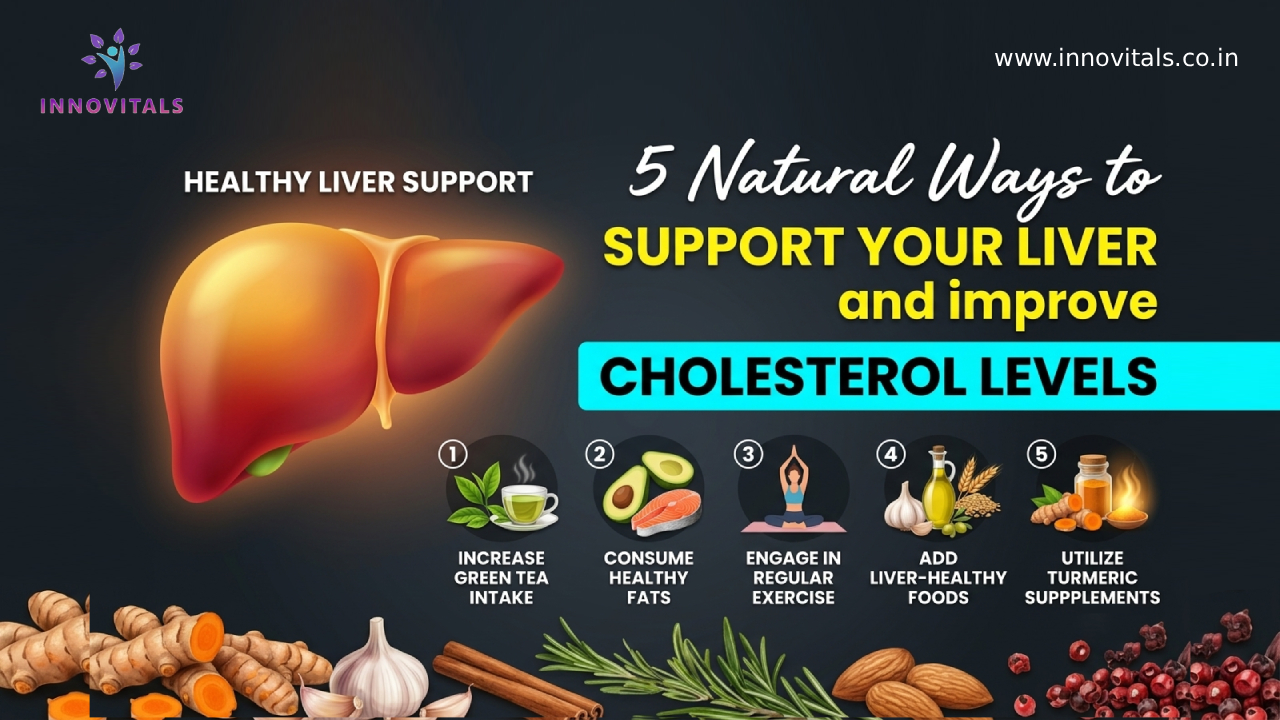
Here are 5 ways to support your liver and improve cholesterol levels naturally:

Start Your Morning with Walnuts and Flaxseed

If your very first bite in the morning is a biscuit or bread, that needs to change, seriously. Instead of that, give your liver what it really wants: soaked walnuts and flaxseed powder, not the other stuff.

Walnuts have a lot of omega-3s, which can help lower bad cholesterol a bit, and they also back liver detox. And flaxseeds bring soluble fibre in a strong way. That fibre catches excess cholesterol and then guides it out of your body, like a quiet broom.

You can take both with warm water, or throw them into your smoothie every single morning. Do it for ten days , and you should notice a change in your energy, your digestion, and even less bloating.

Now, yes, nuts are helpful, but you can’t just lean on them as the only source for omega-3s. If you’re in colder places, you may want fish daily, or add a fish oil supplement to your routine too.

Switch to Cold-Pressed Oils or Ghee

Please don’t fry anything in rice bran, soybean, or sunflower oil . These oils tend to be pretty rich in omega-6 fats, and that can irritate liver cells, plus it can slow down the liver’s ability to process and break down cholesterol

Real simplicity, is honestly what your liver seems to want

Use butter , cold-pressed coconut oil, or traditional Desi ghee . Instead of overloading the liver, these fats can nourish it. Your body relies on bile to help clear away cholesterol, and with just this one change, you might notice a much higher bile flow

Also, even though olive oil is often promoted as the better option, avoid using it for cooking. Even if the bottle says it’s “high-heat safe,” its lower smoke threshold means it can break down sooner , and in turn it can form risky substances

Try Protein Fasting for Liver Repair

If you’ve noticed signs of liver stress, like that annoying bloating, feeling tired, higher cholesterol, or skin that looks kinda dull, I’d honestly say try a protein fast for a couple days.  

So what is a “protein fasting” thing? It’s basically exactly what it sounds like: you pause high-protein foods for a short window. You eat more light, soothing, healing type stuff  

Why would this help? Because when your body gets no or much less protein for a bit, it starts switching into a process called “autophagy”. That’s where it begins clearing out older, worn-out cells, and it tends to burn stored fat in a more effective way, particularly in the liver  

A bunch of studies show that short-term protein restriction can lower liver fat and back up cellular repair  

You could do one full week, or even just two days per week to go light. Stick to khichdi, simple soups, nimbu paani, and coconut water  

Also, when you’re giving your liver a bit of space, you can support it with Liver Vital by Innovitals. Clinically researched ingredients like Milk Thistle and NAC help break down accumulated fat in the liver and support natural detox pathways, especially since your body is in that repair mode  
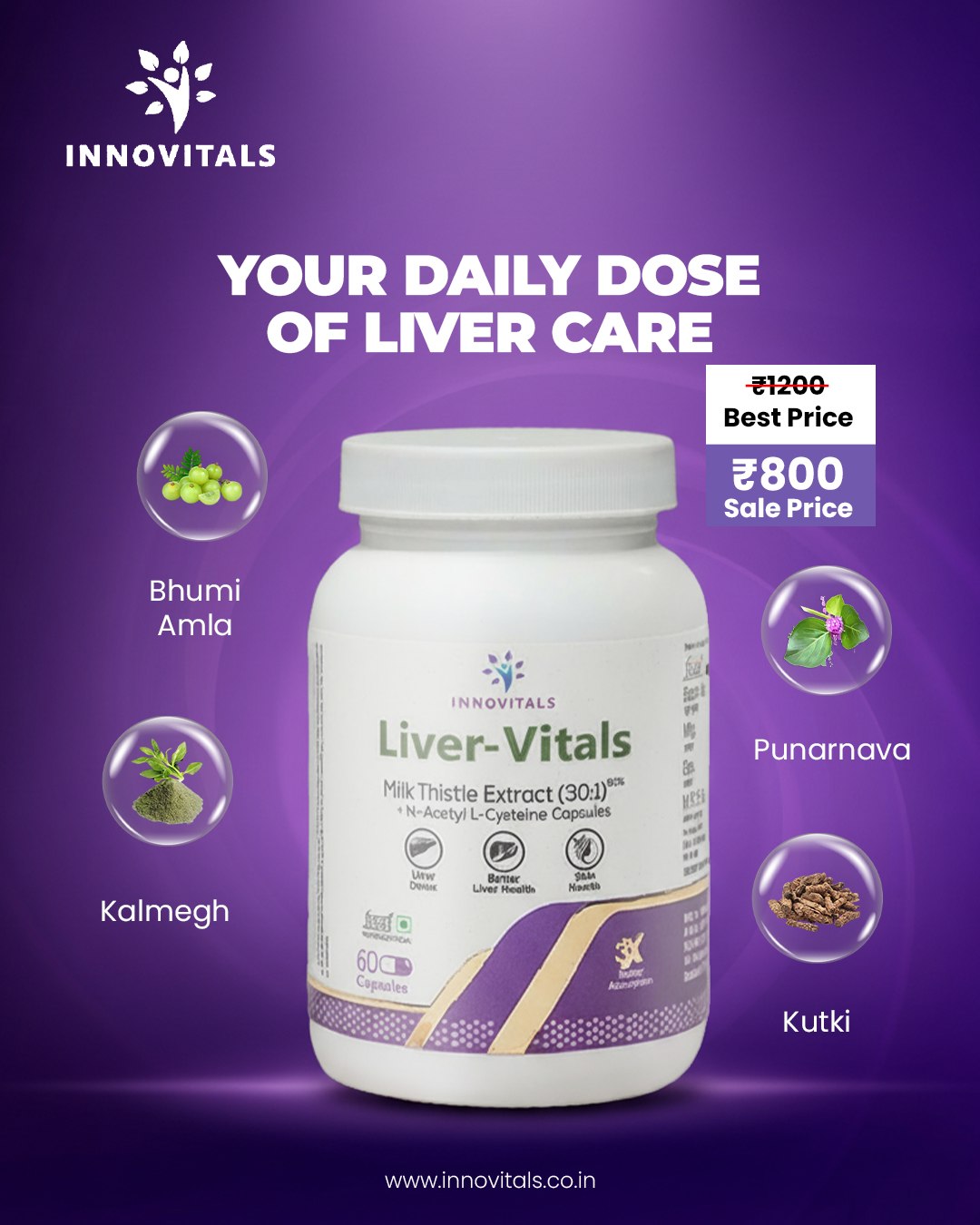
Liver Vital
Liver Vital

There are hundreds of studies on these ingredients. And yeah, you should pair this with a low-carb diet too, so the fat sitting in the liver can be reduced more naturally

Move Daily, But Don’t Overtrain

The majority of people think that vigorous exercise can reduce cholesterol. However, if your liver is already fatty or slow, overtraining may actually make things worse.

After exercise, your liver is in charge of eliminating all oxidative waste. Your body produces too many free radicals when you push too hard, which causes your liver to become more inflamed rather than healthy.

Instead, concentrate on intelligent, restorative exercise that increases nitric oxide, a naturally occurring substance that promotes cholesterol balance, improves circulation, and relaxes blood vessels. 

Add Natural “Statin-Like” Foods to Your Diet

So, sure, Statins can lower cholesterol on paper, but they don’t really sort out what’s happening inside your body. And over the long run, there can be some ugly side effects like muscle aches, tiredness, mood ups and downs, and even problems with blood sugar.

But then, there are more natural options that some folks find a bit smarter, like this sort of lineup

Garlic – take one clove per day, ideally raw or just lightly crushed.

Garlic has been used for centuries for heart support and blood wellbeing. And yes, modern Indian studies show it can help reduce LDL, boost circulation, and make it harder for cholesterol to cling to artery walls.

Then Fenugreek. You soak it overnight, and in the morning you take it first thing. It is one of the more studied cholesterol-friendly seeds in India. It helps bind extra fats and then helps move them out of the system.

After that, Amla (Indian gooseberry). This one supports liver health as well as heart function. You can eat it fresh, or if you want an easier routine, mix a spoon of amla powder in warm water and drink it.

Start with only one, or maybe two at most. Do it consistently, and keep an eye on your results.

Conclusion

To maintain a healthy liver and cholesterol levels, there isn’t any need for complications. There are several easy habits that you can put into place to support good overall metabolic health. For example, a well-balanced diet, regular exercise, maintaining a healthy weight and limiting your alcoholic consumption will contribute to a healthier liver and thus help you attain a naturally healthy cholesterol level. Taking care of your liver is very important to your whole body due to its function of metabolising fat and regulating cholesterol. Lifestyle changes can naturally help to improve cholesterol levels; you will also want to get your cholesterol checked regularly to monitor whether you are continuing to have an elevated level or may be at risk for developing a chronic disease. You can help support a healthy liver, promote a healthy heart, and ultimately achieve long-term wellness through informed choices you make daily.

Frequently Asked Questions (FAQs)

What are the best natural ways to support liver health?

A healthy diet, regular exercise, staying hydrated, limiting alcohol, maintaining a healthy weight, and eating antioxidant-rich foods can help support liver health naturally.

Can improving liver health help manage cholesterol levels?

Yes. The liver plays a key role in producing and processing cholesterol. Supporting liver health through a balanced lifestyle may contribute to maintaining healthy cholesterol levels.

Which foods are good for liver health and cholesterol?

Leafy greens, berries, oats, nuts, fatty fish, garlic, olive oil, and fiber-rich fruits and vegetables are excellent choices for supporting liver function and heart health.

Does exercise benefit both the liver and cholesterol?

Yes. Regular physical activity can help reduce excess body fat, support liver function, and improve HDL (good) cholesterol while helping manage LDL (bad) cholesterol.

Are supplements helpful for liver support?

Some supplements may help support liver health when used as part of a balanced lifestyle. Always choose quality products and consult a healthcare professional before starting any supplement.

How long does it take to see improvements in liver health naturally?

The timeline varies depending on your lifestyle and overall health. Consistently following healthy habits such as eating nutritious foods, exercising, and avoiding excessive alcohol can support liver health over time.

Read Also: 15 Best Foods for Hair Growth & Thickness: Veg and Non-Veg Options 
15 Best Foods for Hair Growth & Thickness: Veg and Non-Veg Options
Why Food Matters for Hair Growth

A lot of people observe an increase in shedding from the use of a new shampoo or hair products, and end up finding an excess amount of hair on their pillow or shower drain after using them. This is simply due to a lack of adequate protein, vitamins, minerals and healthy fats in a person’s diet; therefore, the hair will not have enough nutrients available to the hair follicles to allow for new hair to grow.

A nutritious diet provides all the essential nutrients needed by the body, which are able to function optimally when it has an adequate supply of these nutrients first. Therefore, if you strictly limit your diet, skip meals often, or eat lots of low-nutrient foods, you can experience additional shedding, thinning hair and slow hair growth because there is not enough protein, iron, zinc, vitamin D or biotin available to properly nourish your follicles.

When you combine a healthy diet with consistently eating a well-balanced diet, you’ll have a strong and supports the production of healthy and strong hair over time.

Essential Vitamins and Minerals for Hair Growth

Hair growth is kind of supported by a whole network of nutrients that work together rather than alone. Protein gives amino acids that are needed to build keratin, which is basically the main structural component of hair. Iron helps move oxygen to the hair follicles, while zinc supports mending and also healthy follicle function. Vitamin C tends to help the body absorb iron, and omega‑3 fatty acids support keeping the scalp in a good, balanced condition.

Then you’ve got other key nutrients too: biotin, selenium, vitamin E, folate, vitamin B12, and vitamin D. When any of these are low, it can show up as hair thinning, less density, slower growth, and even texture changes. So instead of putting all attention on just one nutrient, a well‑rounded diet is the best strategy for supporting long‑term hair health in a steady way.

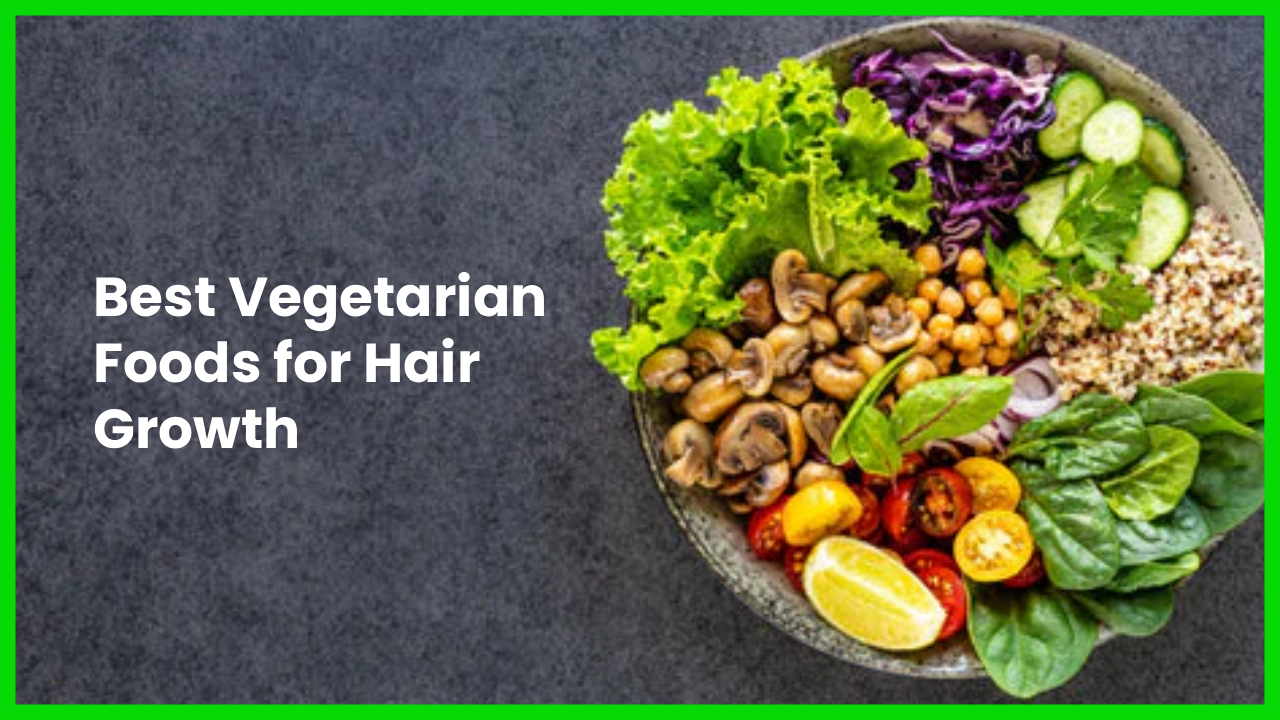
Best Vegetarian Foods for Hair Growth

Chickpeas – they’re rich in plant protein, iron, zinc, and folate, which sort of helps nourish hair follicles and also backs healthy growth, more or less.  

Spinach – loaded with iron, folate, and vitamin C, spinach seems to improve oxygen delivery to follicles, while still supporting iron absorption at the same time.  

Pumpkin Seeds – these nutrient-dense seeds bring zinc, magnesium, iron, and healthy fats, and that combo can contribute to follicle strength and repair.  

Sweet Potatoes – a solid source of beta carotene, which your body turns into vitamin A, which helps keep the scalp properly hydrated and keeps sebum production balanced.  

Lentils – giving you protein, iron, and folate, lentils are a budget-friendly but still effective pick for a hair-friendly diet.  

Greek Yogurt – offers high-quality protein, plus probiotics, which can support digestion and make nutrient absorption easier overall.  

Amla – known for vitamin C and antioxidant stuff, amla supports collagen production and helps protect against oxidative stress, gently.  

Nuts – almonds and walnuts have vitamin E, healthy fats, plus trace minerals, so they help improve overall hair quality in a real way.

Best Vegetarian Foods for Hair Growth

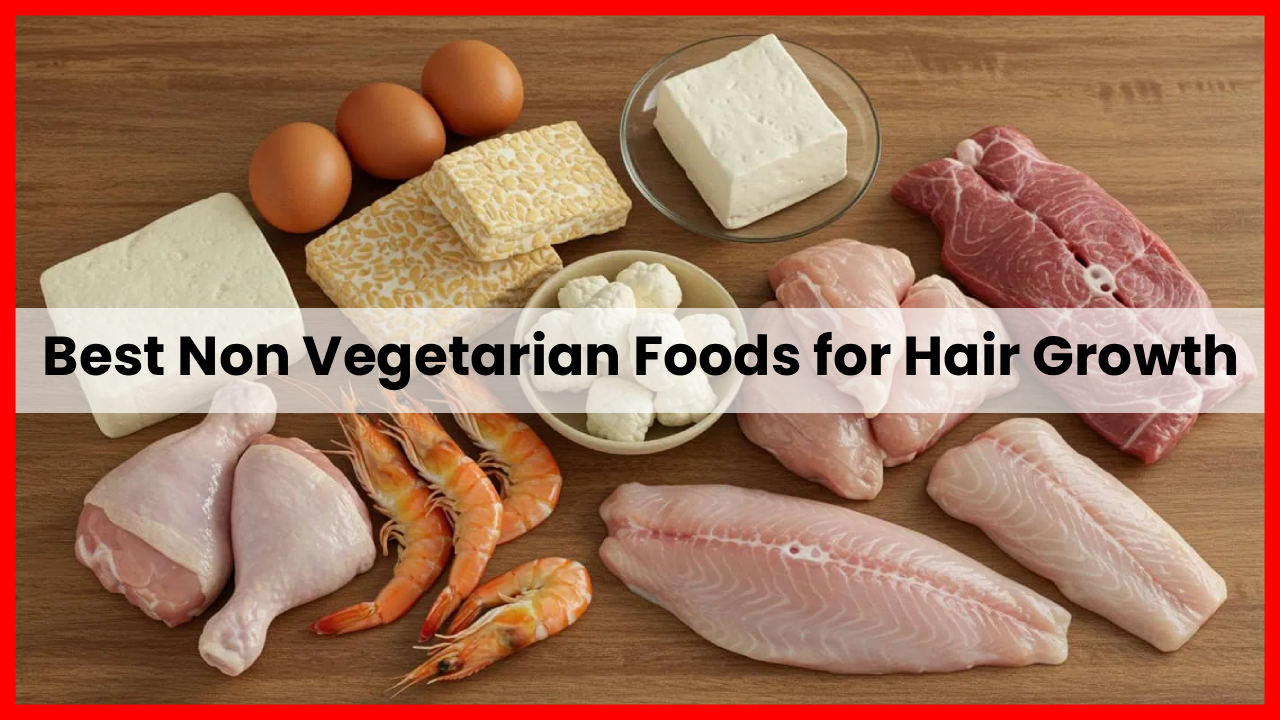
Best Non‑Vegetarian Foods for Hair Growth

Eggs  – basically one of the strongest dietary sources for protein and biotin, and it helps kind of support hair structure along with its overall strength, yeah.

Salmon – it is loaded with omega‑3 fatty acids that nourish the scalp and also help with healthy hair growth.

Chicken – it brings essential amino acids that are needed to build keratin and keep those hair strands strong and steady.

Oysters – unusually rich in zinc, which is connected to healthy follicle function and tissue repair, too.

Sardines – they deliver omega‑3 fats, vitamin D, selenium and protein all in a single nutrient-packed bite, really.

Liver – contains iron, vitamin B12, biotin, and vitamin A; all of these help with hair maintenance in their own ways.

Bone broth – provides collagen-supporting amino acids like glycine and proline, and that may help support hair structure in the long run.


Best Non‑Vegetarian Foods for Hair Growth

Foods to Limit for Better Hair Health

There are a number of diet-related issues that could lead to lower quality of hair over time. A diet with an excess of sugar, excessively processed foods, deep-fried foods, sugary drinks and a diet too low in protein can all affect the amount of nutrients that one is able to consume. In particular, crash diets should be taken seriously as a rapid decrease in calorie intake leads to the interruption of normal hair growth cycles. A high level of alcohol use may contribute to the degree of nutritional imbalance, thus affecting the health of hair.

Important Precautions

Consistency is key to effective hair care, making it essential to use an appropriate regimen that avoids things like tight hairstyles, excessive heat, chemical treatment, etc., or smoking, which can damage the hair. Overwashing the scalp can be damaging as well; some people experience dryness from the use of multiple products on the scalp. Before starting any supplements, it is helpful to do a thorough evaluation of what nutrients you might need as a result of an assessed deficiency. The use of multiple supplements does not guarantee outcomes, and many types of supplements can sometimes lead to negative side effects when too much is consumed at once.

When Hair Growth Supplements May Help

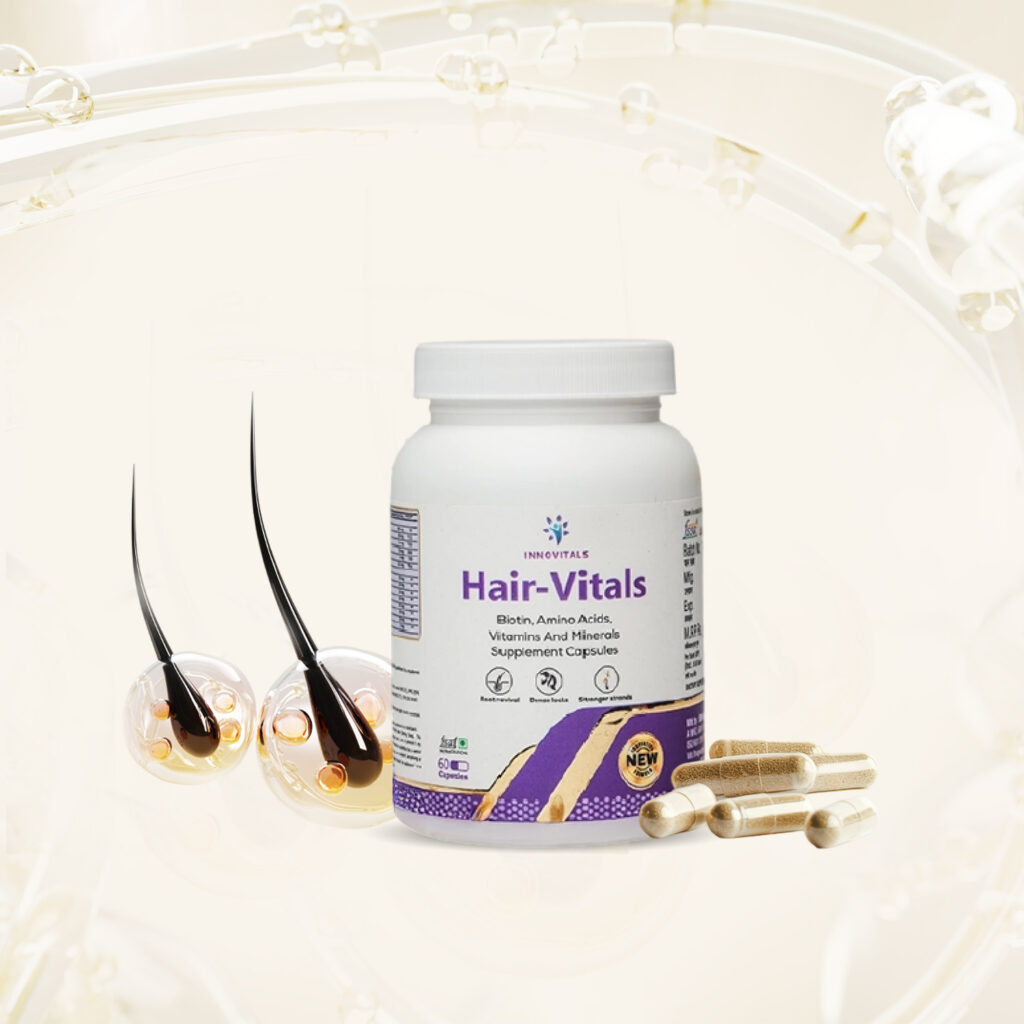
Food should be the first and main place nutrients come from, but supplements can still be kinda useful in some moments. People with low iron levels, poor appetite, restrictive diets, postpartum hair changes, chronic stress, digestive absorption problems, or ongoing shedding might actually benefit from a targeted add-on. It helps to pick good quality formulas like Hair Vital by Innovitals and, ideally, get some professional guidance too, so the exact nutrients that are needed are being handled properly.

Hair Vitals
Hair Vitals

Additional Tips for Hair Growth and Thickness

Every day, you must consume sufficient protein, get restful sleep, manage stress levels in an efficient way, and maintain a balance in your lifestyle. Massaging the scalp may promote comfort and relax the body. Consuming adequate water on a daily basis, as well as encouraging overall wellness, can support healthy hair. Lastly, you must be patient, since it takes time for the hair follicles to produce visible results (6 or more months of continual care).

Conclusion

Consistent practice of basic habits is what leads to healthy hair. Stronger and thicker-looking hair is due to eating healthy (nutritious foods), getting enough protein, sleeping well, managing stress, and supplementing when necessary. Instead of using miracles or shortcuts, take care of your body first. At Innovitals, we believe that healthy hair grows and vitality is based on balanced nutrition and wellness over the long-term.

Frequently Asked Questions  (FAQs)

Which foods help promote hair growth naturally?

Foods rich in protein, biotin, iron, zinc, and omega-3 fatty acids, such as eggs, salmon, spinach, nuts, and sweet potatoes, can help support healthy hair growth.

What is the best fruit for hair growth and thickness?

Berries, oranges, avocados, and guavas are excellent choices because they are packed with vitamin C, antioxidants, and nutrients that support healthy hair follicles.

How long does it take for dietary changes to improve hair growth?

Hair growth is a gradual process. Consistently eating nutrient-rich foods may lead to noticeable improvements in hair health within 3 to 6 months.

Can a poor diet cause hair thinning?

Yes, deficiencies in essential nutrients such as protein, iron, biotin, vitamin D, and zinc can contribute to hair thinning, excessive shedding, and weak hair.

Are supplements better than foods for hair growth?

Whole foods are the best source of nutrients for hair health. However, supplements may be beneficial for individuals with nutrient deficiencies or increased nutritional needs.

Which vitamin deficiency is most commonly linked to hair loss?

Deficiencies in iron, vitamin D, biotin, zinc, and vitamin B12 are commonly associated with hair loss and reduced hair thickness.

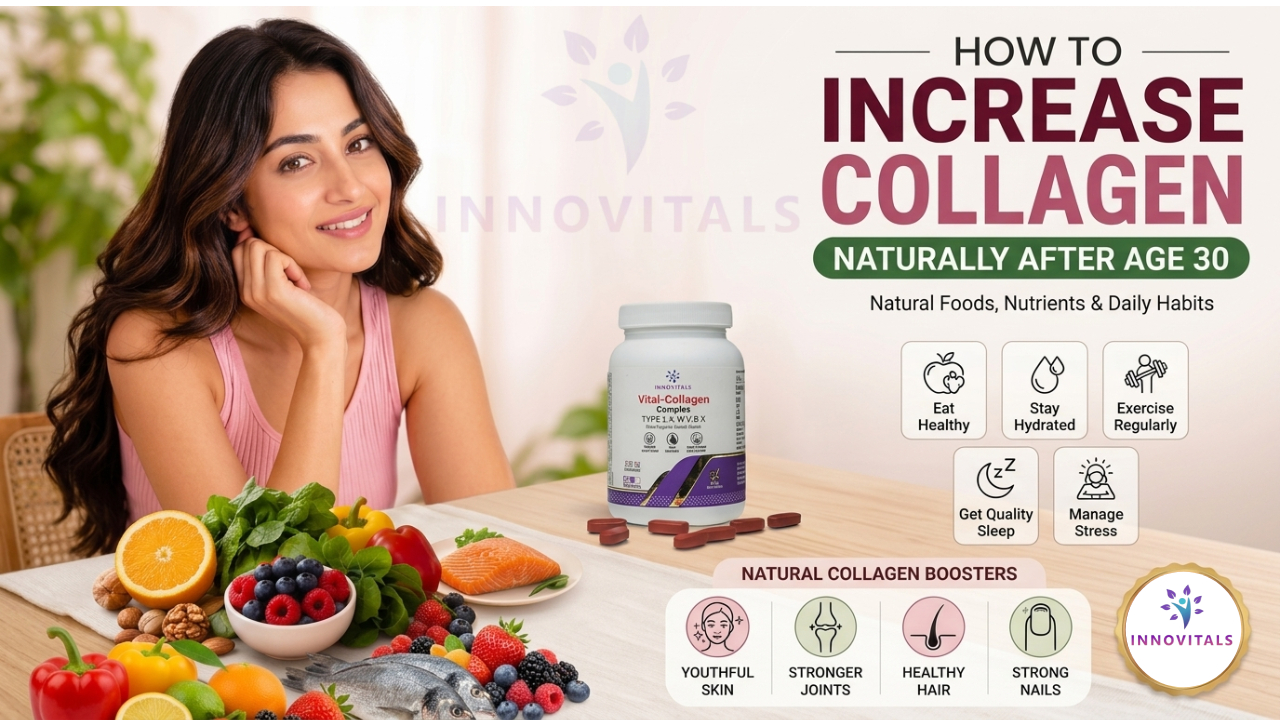
How to Increase Collagen Naturally – Top 15 Proven Ways

Collagen is referred to as the base for skin, hair, nails, joints, and connective tissue. Collagen is also the most common protein in our bodies, and it is necessary for keeping our skin hydrated, firm, and elastic. Over time, as we age, we lose the ability to produce collagen, which results in the appearance of fine lines, wrinkles, sagging skin, and a decrease in overall skin vitality. Stress, environmental toxins, an unhealthy diet, and too much sun will speed up the decline of collagen and the visible signs of aging.

There are many natural methods that can help your body produce more collagen. By making simple changes in your lifestyle and diet, you can support your body’s natural production of collagen, helping you achieve younger-looking skin.

What is Collagen?

Collagen is a type of connective tissue that is found in many parts of the body. It helps to give strength and stability to the skin, bones, muscles, tendons, ligaments and blood Vessels. In the skin, collagen helps to provide a framework for the skin to be firm, smooth and flexible.

When we get older, collagen production decreases, and the skin loses its ability to be elastic. This is why there are visible signs of ageing. Maintaining collagen production is critical in maintaining not only beautiful and healthy skin, but also for overall health.

Signs Your Body May Need More Collagen

There are a number of ways that low collagen levels can show up, such as:

  • Fine lines/wrinkles
  • Loose/sagging skin
  • Dry, dull complexion
  • Decreased elasticity in the skin
  • Brittle nails
  • Weak/thin hair
  • Joint pain/stiffness
  • Slow recovery times from physical exercise

Fortunately, using natural sources of collagen can assist with the visible aspects of skin health and overall vitality.

15 Natural Ways to Increase Collagen Production

Increase Your Vitamin C Intake

To support natural collagen production, you should eat foods that are high in vitamin C, such as oranges, amla, kiwi, strawberries, bell peppers and broccoli. Vitamin C is an essential nutrient for producing collagen because it aids in converting amino acids into collagen; it also provides protection to your existing collagen via its powerful antioxidant effects.

Consume High-Quality Collagen Supplements

The popularity of collagen supplementation has recently increased because of potential benefits to your skin, hair, nails and joints. Hydrolyzed collagen peptides are easily absorbed into the body and may provide support for your body’s stores of collagen.

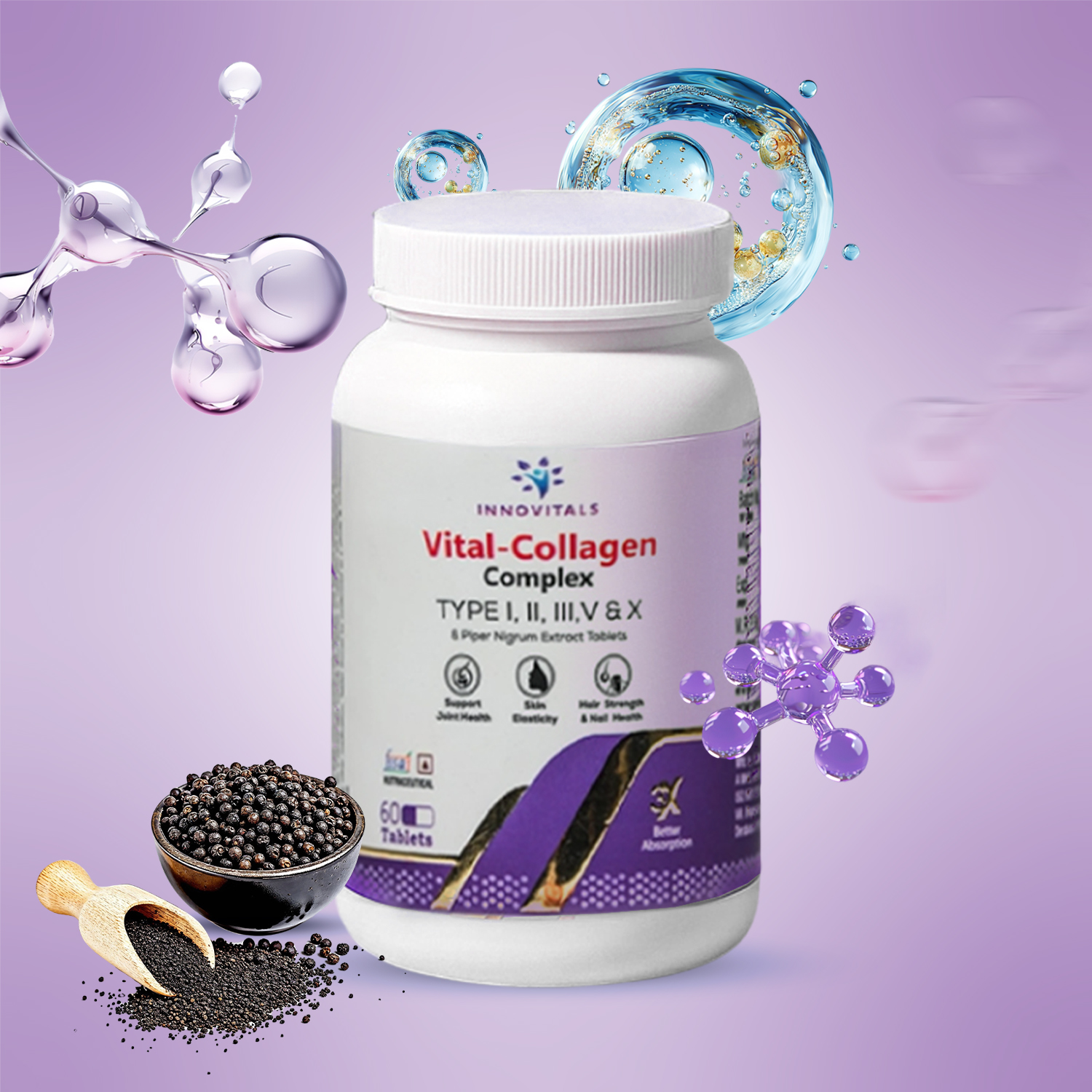
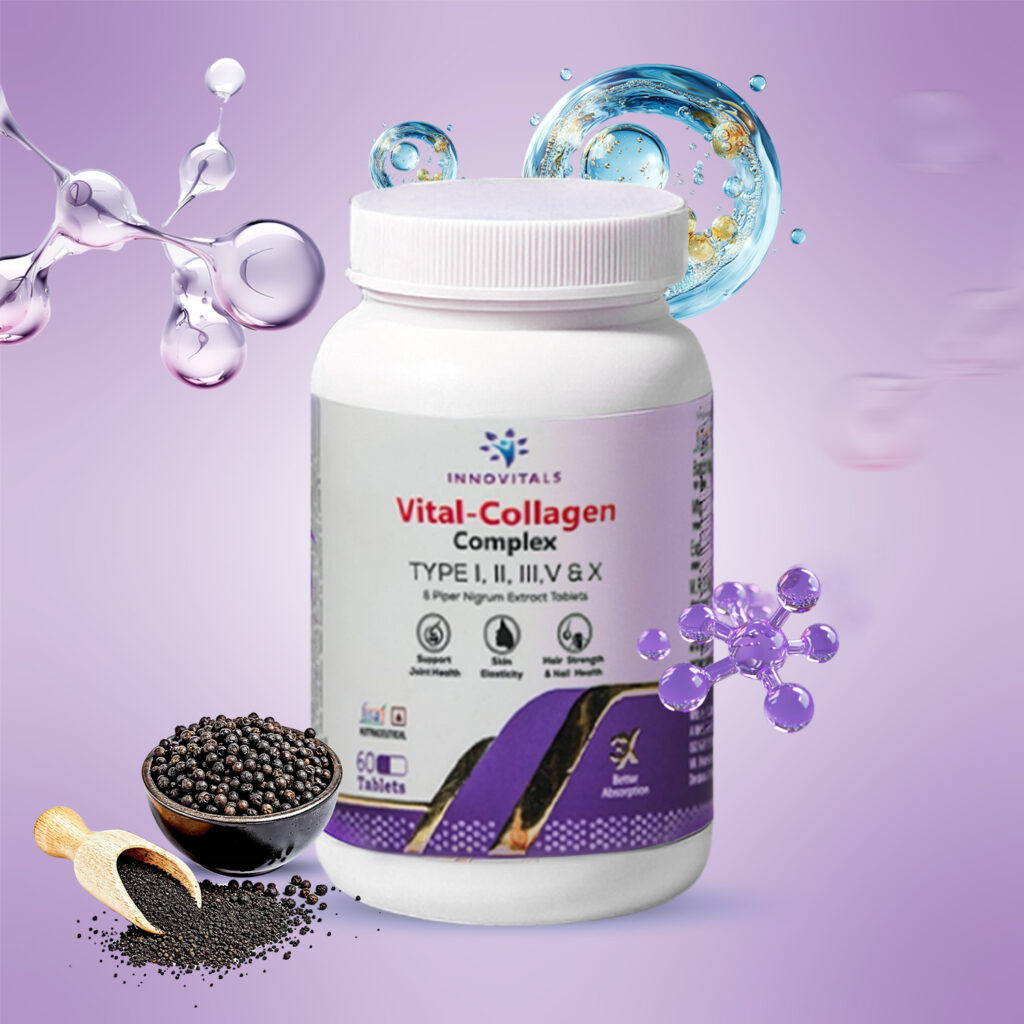
Vital Collagen by Innovital is formulated to deliver premium collagen support and provide essential nutrients to help maintain skin health, elasticity and wellness overall. When taken as part of an overall healthy lifestyle, it can be an effective addition to your daily beauty/health routine.

Eat Protein-Rich Foods

Collagen is built from three types of amino acids: glycine, proline and hydroxyproline. Eating sufficient amounts of protein will provide you with the necessary components (the building blocks) that your body needs to create collagen.

Some examples of great sources of protein are: eggs, fish, chicken (poultry), dairy products, beans, lentils and soy products.

Include Omega-3 Fatty Acids in Your Diet

The benefits of omega-3 fatty acids include helping to maintain healthy skin by reducing inflammation and protecting collagen fibres against damage from environmental stresses.

Examples of food sources of omega-3 include salmon, sardines, walnuts, flaxseed and chia seeds, along with fish oil supplements.

Protect Your Skin from Sun Damage

Too much UV time is, honestly, one of the most common things that can speed up collagen breakdown. When the sun is on you for a long while, skin aging kind of goes faster, and you start seeing more wrinkles, plus changes in colour, like pigmentation, over time.

To help slow this down, use a broad-spectrum sunscreen every single day, cover up with protective clothing, and try to stay out of direct sun during peak hours, so your collagen keeps its structure a bit longer.

Stay Properly Hydrated

Water really matters for keeping skin hydrated, and also for how cells run, like for real. When the skin is well hydrated, it looks kind of plumper, healthier, and it seems more sturdy, more resilient even.  

Try to drink enough water throughout the day, and include food that helps with hydration too, like cucumber, watermelon and oranges.

Add Lysine-Rich Foods to Your Diet

Lysine is one of the 20 amino acids and is a necessary component in the construction of collagen. The human body does not create any lysine naturally; therefore, we must consume it through our food choices.

Some great sources of lysine are seafood, fowl, egg, milk, lentils, beans and soy.

Consume Antioxidant-Rich Foods

Pollution, stress, and living an unhealthy lifestyle create free radicals that can adversely affect collagen fibers. Antioxidants can help neutralize the effect of free radicals.

To counteract free radicals, eat plenty of colorful fruits and vegetables, such as spinach, kale, blueberries, carrots, pomegranate, and tomatoes.

Prioritize Quality Sleep

While you’re asleep, your body does a lot of repairing work, and it kind of regenerates tissues, too, skin included. If you don’t sleep well, you might notice more stress hormones circulating, which can end up speeding up collagen breakdown.  

Try for seven to nine hours of good quality sleep each night, because that helps the body keep natural collagen production on track, and gives your skin time to recover properly.

Exercise Regularly

Exercise increases blood flow, which makes it easier for skin cells to receive nutrients and oxygen. Collagen synthesis and tissue healing are supported by improved circulation.

Strength training, yoga, cycling, and brisk walking are examples of moderate exercises that can help promote healthier skin. 

Reduce Sugar Consumption

Glycation is the process by which sugar attaches to collagen fibres, weakening and reducing their ability to stretch.

By limiting processed snacks and sugary foods, you can support the integrity of collagen and reduce signs of visible ageing.

Avoid Smoking

By decreasing blood flow and raising oxidative stress, smoking dramatically speeds up the ageing process of the skin. It causes early wrinkles and drooping skin by damaging collagen and elastin fibres.

Both skin health and general well-being can improve significantly from quitting smoking. 

Include Zinc-Rich Foods

Zinc is sort of important for healing tissues and helping collagen formation happen, so if you don’t get enough, the body might struggle a bit to keep skin looking healthy. You can find zinc in pumpkin seeds, chickpeas, lentils, nuts, seafood, and also whole grains.

Use Skincare Ingredients That Support Collagen

Vitamin C, retinol, peptides, and hyaluronic acid are examples of topical substances that can enhance skin texture and promote the formation of collagen.

The best long-term outcomes come from a regular skincare regimen and healthy eating. 

Manage Stress Levels

Chronic stress can raise cortisol levels, which might somehow help speed up collagen degradation and lead to premature ageing, sooner than you’d expect. 

Things like meditation, yoga, breathing exercises, journaling, and even time spent outdoors can help dial down that stress and, in turn, support your skin with a healthier kind of support.

Why Choose Vital Collagen by Innovitals?

The body’s production of collagen will decrease over time as we get older. You should be able to fill those nutritional holes and support your beauty and wellness goals through supplementation.

Vital-Collagen
Vital-Collagen

Innovital’s Vital Collagen is formulated to work alongside a very healthy lifestyle—if you are eating right, drinking plenty of fluids, exercising regularly, and caring for your skin essentials on a regular basis—by providing high-quality collagen support.

When taken regularly in conjunction with these good habits, Vital Collagen can help improve skin elasticity, promote healthy hair and nails, and contribute toward overall wellness.

Finally,

To keep looking youthful, maintain good collagen levels – collagen is important for your skin and also contributes to a person’s overall health. Although we all grow older, adopting habits that are beneficial to collagen will help to reduce the visible signs of aging and improve the vitality of the skin.

From consuming healthy food sources of collagen (such as dark leafy greens, poultry, fish) and providing protection from UV rays to adding the Vital Collagen from Innovitals into your daily routine, every one of these activities will help contribute to having healthier skin from within. The more consistently these types of habits become a part of your daily life, the more you will be able to naturally stimulate the production of collagen and experience healthier, more radiant skin in the years ahead.

Frequently Asked Questions (FAQs)

What is Collagen?

Collagen is a protein that helps keep your skin, hair, nails, joints, and bones strong and healthy.

What is the fastest way to increase collagen?

A combination of collagen supplements, a healthy diet, proper hydration, and sun protection can help support collagen levels.

What happens when collagen reduces?

Low collagen can lead to wrinkles, sagging skin, joint discomfort, and weaker hair and nails.

Can any natural methods boost collagen?

Yes, eating protein-rich foods, vitamin C-rich fruits, staying hydrated, and avoiding smoking can help support collagen production.

Which collagen is best for skin?

Type I collagen is considered the most beneficial for maintaining healthy, youthful-looking skin.

How Long Does Collagen Take to Work on Skin?

Most people may notice visible improvements in skin appearance after 8 to 12 weeks of consistent use.

How Many mg of Collagen per Day for Skin Health?

A daily intake of 2,500–10,000 mg of collagen is commonly used for skin health support.

How can I increase collagen in the skin naturally?

Eat foods rich in protein and vitamin C, stay hydrated, get enough sleep, and protect your skin from UV damage.

Can you rebuild collagen in the skin?

The body can naturally produce new collagen with proper nutrition, skincare, and healthy lifestyle habits.

How can I check my collagen?

There is no simple at-home test. A healthcare professional can assess signs of collagen loss through skin and health evaluations.

How do I know if my collagen is low?

Common signs include fine lines, wrinkles, sagging skin, joint stiffness, and brittle hair or nails.

What does skin look like when it loses collagen?

Skin may appear thinner, less firm, drier, and more prone to wrinkles and sagging.

Does taking collagen supplements really help improve skin collagen levels?

Research suggests collagen supplements may help support skin hydration, elasticity, and overall skin appearance when taken consistently.

How does sun exposure affect collagen levels in the skin?

Excessive sun exposure can break down collagen fibers, leading to premature aging and wrinkles.

What role does hydration play in collagen production?

Proper hydration helps maintain skin health and supports the body’s natural collagen-building processes.

Are there any specific skincare ingredients that can help increase collagen in the skin?

Ingredients such as retinol, vitamin C, peptides, and hyaluronic acid can help support collagen production and skin health.

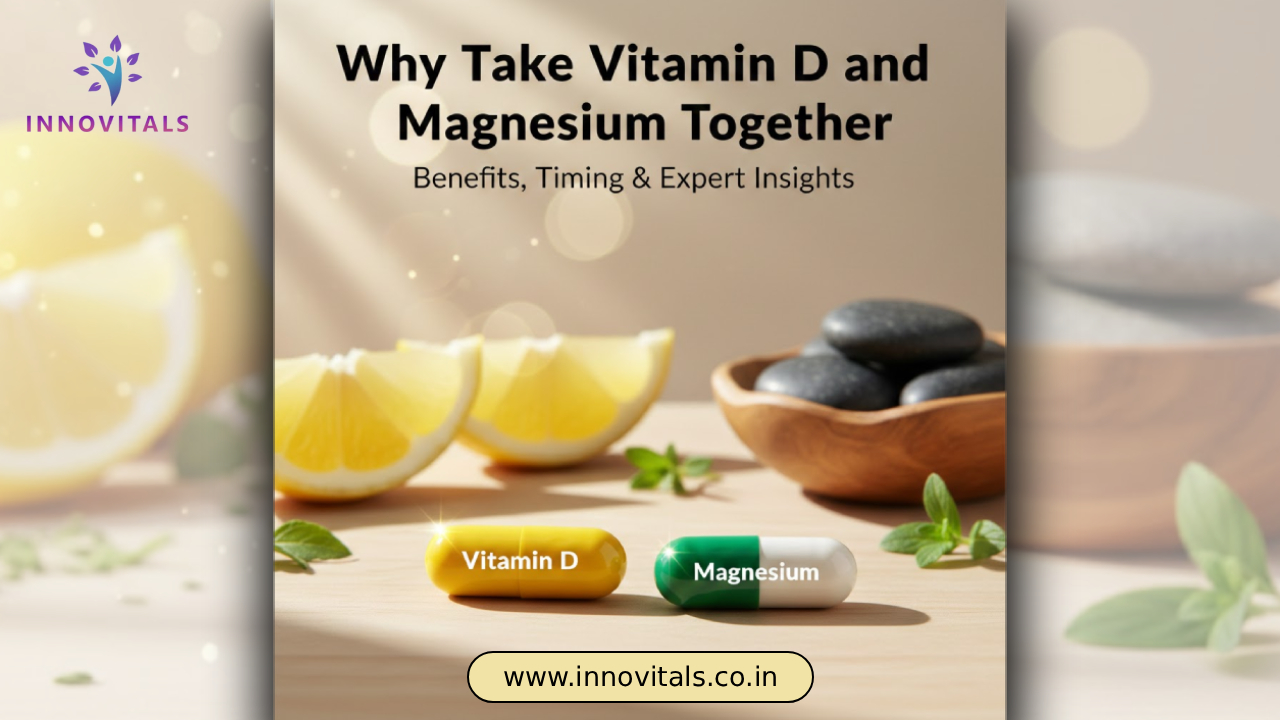
Why Take Vitamin D and Magnesium Together? Benefits, Timing & Expert Insights

Vitamin D and magnesium are two of the most commonly recommended nutrients for overall health. But many people still ask an important question:

Should vitamin D and magnesium be taken together, or separately?

The short answer is yes—taking vitamin D and magnesium together can be highly beneficial, because magnesium plays a critical role in how vitamin D functions in the body.

Let’s understand why this combination works, who should take it, and how to use it correctly.

What Is Vitamin D and Why Is It Important?

Vitamin D, often called the sunshine vitamin, supports multiple essential functions in the body.

Key benefits of vitamin D:

Helps the body absorb calcium for strong bones and teeth

Supports immune system function

Plays a role in muscle strength and balance

Supports mood and overall wellbeing

Despite living in sunny regions, vitamin D deficiency is very common, especially due to indoor lifestyles and sunscreen use.

What Is Magnesium and Why Does Your Body Need It?

Magnesium is an essential mineral involved in over 300 biochemical reactions in the body.

Important roles of magnesium:

Supports muscle and nerve function

Helps regulate heart rhythm

Aids energy production

Supports relaxation and sleep quality

Activates enzymes needed for nutrient metabolism

Many people do not meet their daily magnesium requirement through diet alone.

Why Vitamin D and Magnesium Work Better Together

Vitamin D and magnesium are closely connected in the body.

Here’s how they support each other:

Magnesium is required to activate vitamin D into its usable form

Without enough magnesium, vitamin D may not work effectively—even if you supplement it

Magnesium helps regulate calcium levels, preventing improper calcium buildup

This means taking vitamin D without magnesium may reduce its overall effectiveness.

Benefits of Taking Vitamin D and Magnesium Together

When taken together at appropriate doses, this combination can support:

Better calcium absorption and bone strength

Improved muscle function and reduced cramps

Stronger immune response

Better energy metabolism

Balanced mood and stress response

This synergy makes the combination especially useful for adults, older individuals, and people with nutrient deficiencies.

Who Can Benefit Most From This Combination?

You may benefit from taking vitamin D and magnesium together if you:

Have low vitamin D levels

Experience frequent muscle cramps or fatigue

Spend limited time in sunlight

Have bone or joint concerns

Feel low energy or poor recovery

Are under high stress

When and How Should You Take Vitamin D and Magnesium?

For best absorption and comfort:

Take vitamin D with meals that contain healthy fats

Magnesium can be taken with food to reduce stomach discomfort

Many people prefer magnesium in the evening due to its calming effect

Follow recommended daily intake unless advised otherwise by a healthcare professional

Consistency is more important than exact timing.

Safety and Precautions

Vitamin D and magnesium are generally safe when taken in recommended amounts. However:

Excess magnesium may cause digestive discomfort

Very high doses of vitamin D should only be taken under medical supervision

People with kidney conditions or on medication should consult a doctor

Supporting Your Health with Innovitals

At Innovitals, formulations are designed with scientific synergy in mind, ensuring nutrients work together—not in isolation.

Balanced combinations of essential vitamins and minerals help:

Improve nutrient absorption

Reduce deficiency-related symptoms

Support long-term wellness rather than short-term fixes

Choosing the right combination can make a meaningful difference in how your body responds.

Final Thoughts

Vitamin D and magnesium are not just compatible—they are complementary.

When taken together:

Magnesium helps activate vitamin D

Vitamin D supports calcium absorption

Both work together to support bones, muscles, immunity, and energy

For anyone looking to optimise their supplement routine, this duo is a smart and

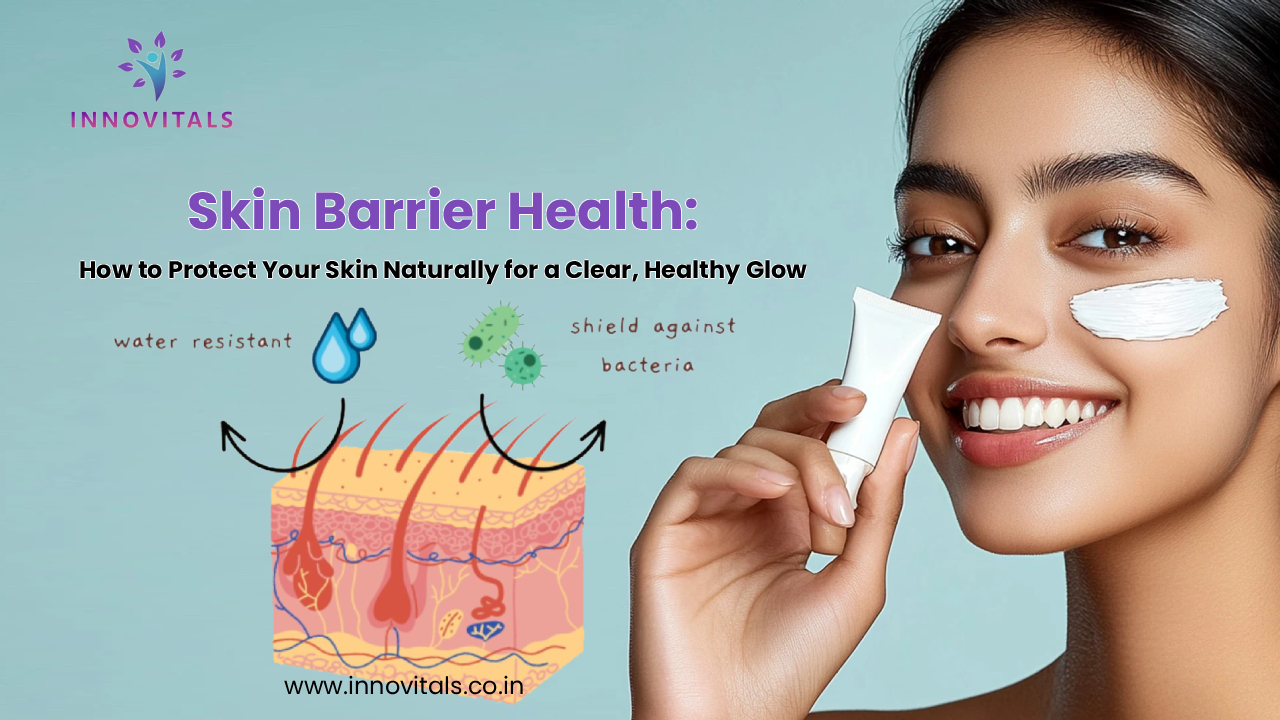
What Is a Skin Barrier & Why It Matters for Healthy, Glowing Skin

If your skin feels dry, tight, irritated, or suddenly sensitive—even after using high-quality skincare—the real issue may not be your products.

It’s often a damaged skin barrier.

The skin barrier is your skin’s invisible shield. When it’s strong, your skin stays hydrated, smooth, calm, and glowing. 

When it’s weakened, moisture escapes, irritants enter, and even gentle products can sting.

Understanding how the skin barrier works is essential for anyone who wants long-term skin health—not just temporary glow.

What Is the Skin Barrier?

The skin barrier, also known as the stratum corneum, is the outermost layer of your skin. Its main job is to:

  • Protect against pollution, bacteria, allergens, and UV damage
  • Prevent water loss from the skin
  • Maintain an optimal acidic pH balance (around 4.5–5.5)
  • The “Brick & Mortar” Structure
  • Dermatologists often describe the skin barrier as a wall:
  • Bricks: Skin cells (corneocytes)
  • Mortar: Lipids like ceramides, cholesterol, and fatty acids
  • Natural Moisturizing Factors (NMFs): -Amino acids, urea, and sugars that hold water
  • Acid Mantle: A thin protective layer that keeps skin healthy and balanced

When this structure is intact, skin looks plump, resilient, and youthful.

Why a Healthy Skin Barrier Is So Important

A strong skin barrier helps your skin:

  • Retain moisture for long-lasting hydration
  • Defend against acne-causing bacteria and pollution
  • Reduce redness, inflammation, and sensitivity
  • Improve the effectiveness of skincare products
  • Slow premature ageing and dullness
  • When the barrier breaks down, the skin 

becomes vulnerable—leading to dryness, irritation, and accelerated ageing.

Signs Your Skin Barrier Is Damaged

You may have a compromised skin barrier if you notice:

  • Persistent dryness or tightness
  • Redness, itching, or burning sensations
  • Products that suddenly sting or irritate
  • Flaky or rough texture
  • Sudden breakouts or sensitivity
  • Makeup sitting poorly on skin
  • These signs indicate your skin is losing moisture faster than it can retain it.

What Damages the Skin Barrier?

Common causes include:

  • Over-exfoliation (AHAs, BHAs, scrubs)
  • Excessive use of retinoids or actives
  • Harsh cleansers and soaps
  • Alcohol-based or fragranced products
  • Sun exposure without sunscreen
  • Stress, dehydration, and poor nutrition
  • Environmental pollution

How to Repair and Protect Your Skin Barrier

Simplify Your Skincare Routine

When your barrier is compromised, less is more. Pause strong actives and focus on gentle, nourishing products.

Use a Gentle, pH-Balanced Cleanser

Choose sulfate-free, non-stripping cleansers that maintain your skin’s natural oils.

Moisturize With Barrier-Repair Ingredients

Look for:

  • Ceramides – rebuild the lipid barrier
  • Fatty acids & cholesterol – restore flexibility
  • Glycerin & hyaluronic acid – hydrate deeply
  • Panthenol & niacinamide – soothe and repair

    Always Wear Sunscreen

UV rays weaken the skin barrier daily—even indoors. Use SPF 30 or higher every morning.

Support Skin From Within

  • Barrier repair isn’t only topical. Nutrition plays a critical role in skin strength and glow. Internal Skin Support: The Missing Step in Barrier Repair
  • Your skin barrier is made of proteins, antioxidants, and lipids—all of which depend on proper nutrition.
  • This is where Innovitals’ science-backed formulations provide powerful internal support.

How Glow Vitals Supports Skin Barrier & Radiance

Glow Vitals Effervescent Tablets are formulated with glutathione and 7 powerful antioxidants that help protect the skin barrier from oxidative stress.

Benefits for Skin Barrier Health:

  • Neutralizes free radicals that weaken the barrier
  • Supports even skin tone and natural glow
  • Helps reduce inflammation and dullness
  • Enhances skin clarity and resilience from within
  • When oxidative damage is reduced, the skin barrier recovers faster and retains moisture better.

How Vital Collagen Complex Strengthens Skin Structure

Vital Collagen Complex contains multiple collagen types (I, II, III, V, IX & X) along with essential co-nutrients.

Benefits for Skin Barrier & Elasticity:

  • Supports skin’s structural integrity
  • Improves hydration retention
  • Enhances elasticity and firmness
  • Strengthens skin’s natural repair cycle
  • Collagen plays a vital role in maintaining the skin’s foundation, making the barrier more resilient over time.

Final Thoughts: Barrier Care = Long-Term Glow

Healthy skin isn’t about aggressive treatments—it’s about protection, nourishment, and balance.

To maintain a strong skin barrier:

Be gentle with your skin

Protect it daily

Repair it with the right ingredients

Support it internally with targeted nutrition

With consistent care and the right support—inside and out—your skin can stay calm, hydrated, and naturally radiant.

Frequently Asked Questions (FAQs)

What is a skin barrier?

The skin barrier is the outermost layer of the skin that protects it from environmental damage, pollution, bacteria, and allergens while preventing moisture loss and maintaining hydration.

Why is the skin barrier important for healthy skin?

A healthy skin barrier keeps the skin hydrated, smooth, and resilient. It helps prevent irritation, reduces sensitivity, supports natural glow, and allows skincare products to work more effectively.

What are the signs of a damaged skin barrier?

Common signs include dryness, tightness, redness, flaking, itching, burning or stinging sensations, sudden sensitivity, uneven texture, and frequent breakouts.

What causes skin barrier damage?

Skin barrier damage can be caused by over-exfoliation, harsh cleansers, excessive use of active ingredients, lack of sunscreen, pollution, stress, dehydration, and poor nutrition.

How can I repair a damaged skin barrier?

To repair a damaged skin barrier, simplify your skincare routine, use gentle pH-balanced cleansers, moisturize with barrier-repair ingredients like ceramides and fatty acids, wear sunscreen daily, and support skin health through proper nutrition.

How long does it take to repair the skin barrier?

Skin barrier repair typically takes between 2 to 6 weeks, depending on the level of damage and how consistently barrier-friendly skincare and lifestyle habits are followed.

Can diet and supplements improve skin barrier health?

Yes, nutrition plays a vital role in maintaining a healthy skin barrier. Antioxidants, collagen, and proper hydration help strengthen skin structure and protect it from oxidative stress.

How does Glow Vitals help support the skin barrier?

Glow Vitals contains glutathione and multiple antioxidants that help fight free radical damage, reduce oxidative stress, and support skin clarity, radiance, and barrier resilience from within.

How does Vital Collagen Complex support skin barrier strength?

Vital Collagen Complex provides multiple types of collagen that help improve skin elasticity, hydration retention, and structural integrity, making the skin barrier stronger and more resilient over time.

Is sunscreen necessary for protecting the skin barrier?

Yes, daily sunscreen use is essential. UV rays weaken the skin barrier, increase moisture loss, and accelerate premature ageing, even when exposure feels minimal.

Read Also: 10 Best Nutrients For Hair Growth And Thickness
Then Read: Yoga Asanas for Thyroid Health: 10 Effective Poses to Support Thyroid Function Naturally

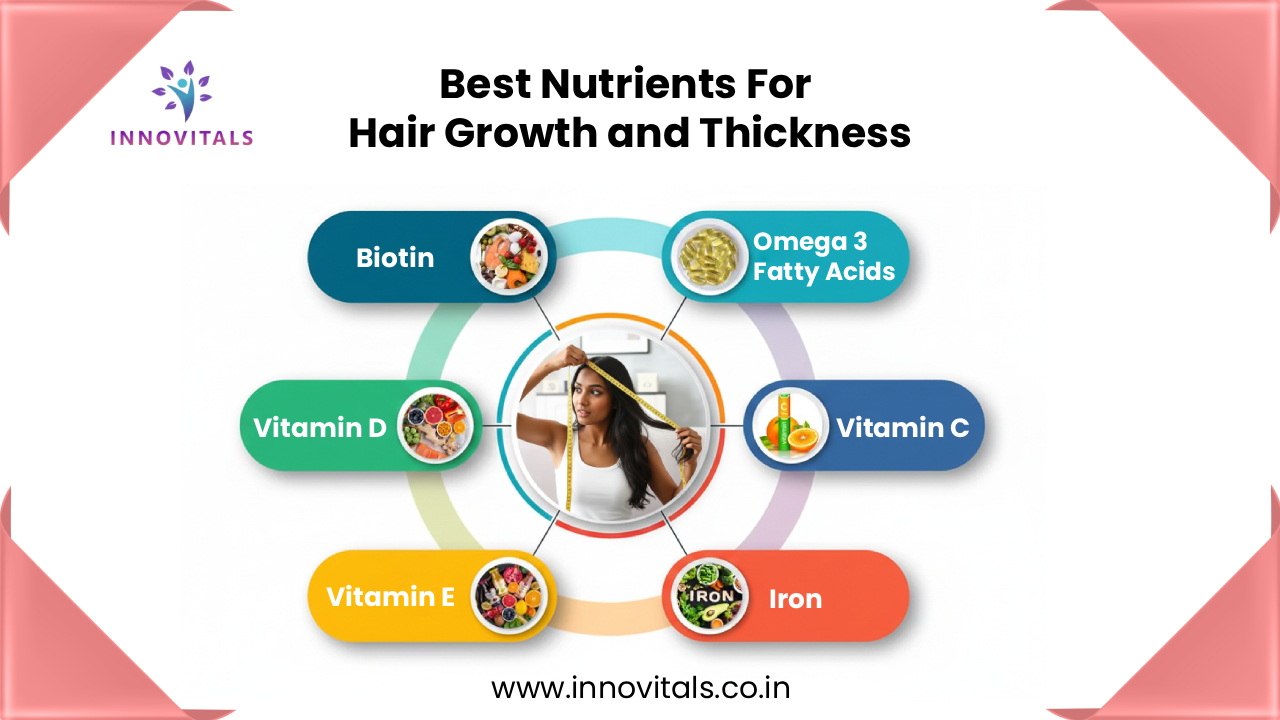
10 Best Nutrients For Hair Growth And Thickness

Reduces inflammation around hair follicles
Top dietary sources:
flaxseeds, walnuts, chia seeds.

How they support hair growth 

Biotin: Strengthens hair and keratin support
Vitamin A: Sebum production and scalp health
Vitamin C: Collagen synthesis & antioxidant protection
Vitamin D: Follicle stimulation
Vitamin E: Circulation & antioxidant support
Vitamin B12: Oxygen delivery & cell division
Iron: Oxygen transport to follicles
Zinc: Hair tissue growth & repair
Folic Acid: Cell growth & nutrient delivery
Omega-3s: Scalp hydration & reduced inflammation

Dietary Pattern for Best Results-

Eating a balanced diet rich in protein, healthy fats, colorful fruits & vegetables, nuts, seeds, lean meats, eggs, and fatty fish helps provide these nutrients naturally — boosting hair growth and thickness from the inside out.

Biotin (Vitamin B7)

Biotin is one of the most well-known vitamins for healthy hair. It’s a B-vitamin that plays a key role in producing keratin, the protein that forms hair strands, which helps make hair stronger and less prone to breakage.

How it supports growth:

Boosts keratin production
Strengthens hair strands
May reduce hair thinning

Top dietary sources:

  • Eggs,
  • Almonds,
  • Sweet potatoes,
  • Spinach,
  • Nuts
  • Seeds,
  •  Legumes.

2. Vitamin A

Vitamin A helps cells grow and supports the production of sebum — a natural oil that keeps the scalp moisturized and hair healthy. However, too much vitamin A can be harmful, so balance is important.

How it supports growth:

Encourages scalp hydration
Supports healthy cell and hair follicle growth

Top dietary sources:

  • Carrots,
  • Sweet potatoes,
  • Spinach,
  • Pumpkin, Eggs, Dairy.

3. Vitamin C

Vitamin C is a powerful antioxidant that protects hair follicles from damage and is essential for collagen production — a protein that strengthens hair and supports structure.

How it supports growth:

Builds collagen for stronger hair
Helps iron absorption (important for hair health)
Fights free-radical damage

Top dietary sources:

  • Citrus fruits,
  • Strawberries,
  • Bell peppers,
  • Broccoli,
  • Guavas.

4. Vitamin D

Often called the sunshine vitamin, vitamin D helps stimulate hair follicles to create new hair growth and may help reduce hair thinning when levels are adequate.

How it supports growth:

Stimulates hair follicle development
May help reduce shedding linked to deficiency

Top dietary sources:

  • Fatty fish (salmon, mackerel),
  • Egg yolks,
  • Fortified foods,
  • Mushrooms,
  • Sunlight exposure

5. Vitamin E

Vitamin E has antioxidant properties that protect scalp and hair from oxidative stress and help keep hair follicles healthy.

How it supports growth:

Improves blood circulation to the scalp
Protects hair from environmental damage

Top dietary sources:

  • Nuts,
  • Seeds,
  • Avocados,
  • Spinach,
  • Sunflower oil.

6. Vitamin B12

Vitamin B12 helps form healthy red blood cells that carry oxygen to the scalp, supporting hair follicle nourishment and promoting growth.

How it supports growth:

Improves oxygen delivery to hair follicles
Supports healthy cell division

Top dietary sources:

  • Meat,
  • Fish,
  • Dairy,
  • Eggs,

7. Iron

Iron isn’t a vitamin but an essential mineral. It supports haemoglobin production, which delivers oxygen to hair follicles — critical for growth and preventing hair loss.

How it supports growth: 

Enhances blood flow to follicles
Prevents hair thinning linked to deficiency

Top dietary sources:

  • Red meat,
  • Lentils,
  • Spinach,
  • Chickpeas,

8. Zinc

Zinc is a mineral that helps with DNA and protein synthesis for hair structure and supports scalp health and follicle repair.

How it supports growth:

Promotes hair tissue growth & repair
Helps regulate oil glands around follicles

Top dietary sources:

  • Oysters
  • Poultry,
  • Seeds,
  • Nuts,

9. Folic Acid (Vitamin B9)

Folic acid plays a role in cell growth and the formation of red blood cells, both of which help nourish hair follicles.

How it supports growth:

Aids oxygen and nutrient delivery to the scalp
Supports cell division for hair growth

Top dietary sources:

  • Leafy greens,
  • Beans,
  • Citrus fruits,
  • Lentils,
  • Asparagus.

10. Omega-3 Fatty Acids

Omega-3s aren’t vitamins, but these healthy fats help maintain a hydrated scalp and reduce inflammation, creating a better environment for hair growth.

How it supports growth:

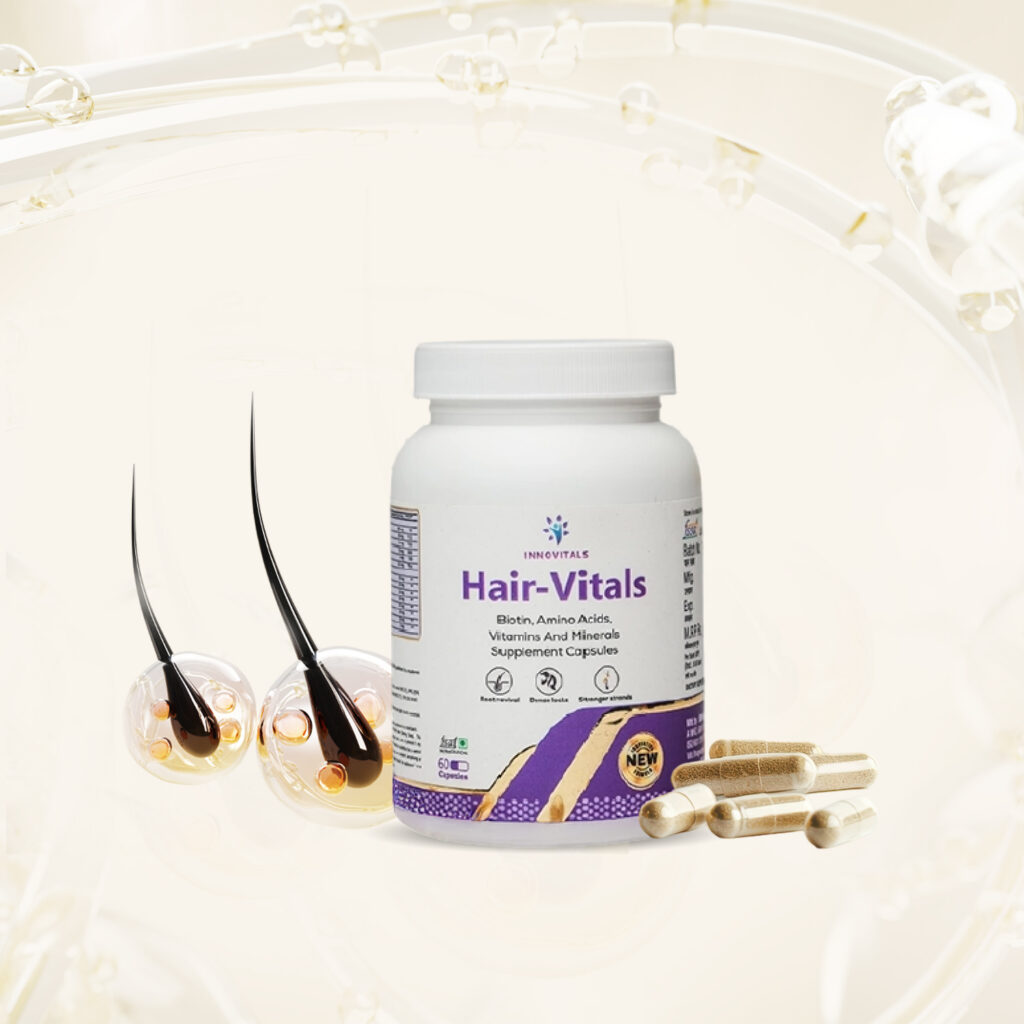
  • Hair Vitals contains all these key nutrients

Hair Vitals supplement is formulated to include many of these essential vitamins and nutrients — such as biotin, B-complex vitamins, vitamins A, C, D & E, minerals like zinc and iron, and hair-supporting compounds — giving comprehensive support for hair growth, strength, thickness, and overall hair health. This makes it easier to fill nutritional gaps that diet alone might not cover for optimal hair results.

Innovitals Hair vital

Innovitals Vital-Collagen


Add to cart

8% OFF ON FIRST ORDER

Catch your discount before the timer runs out

Discount on first buy only