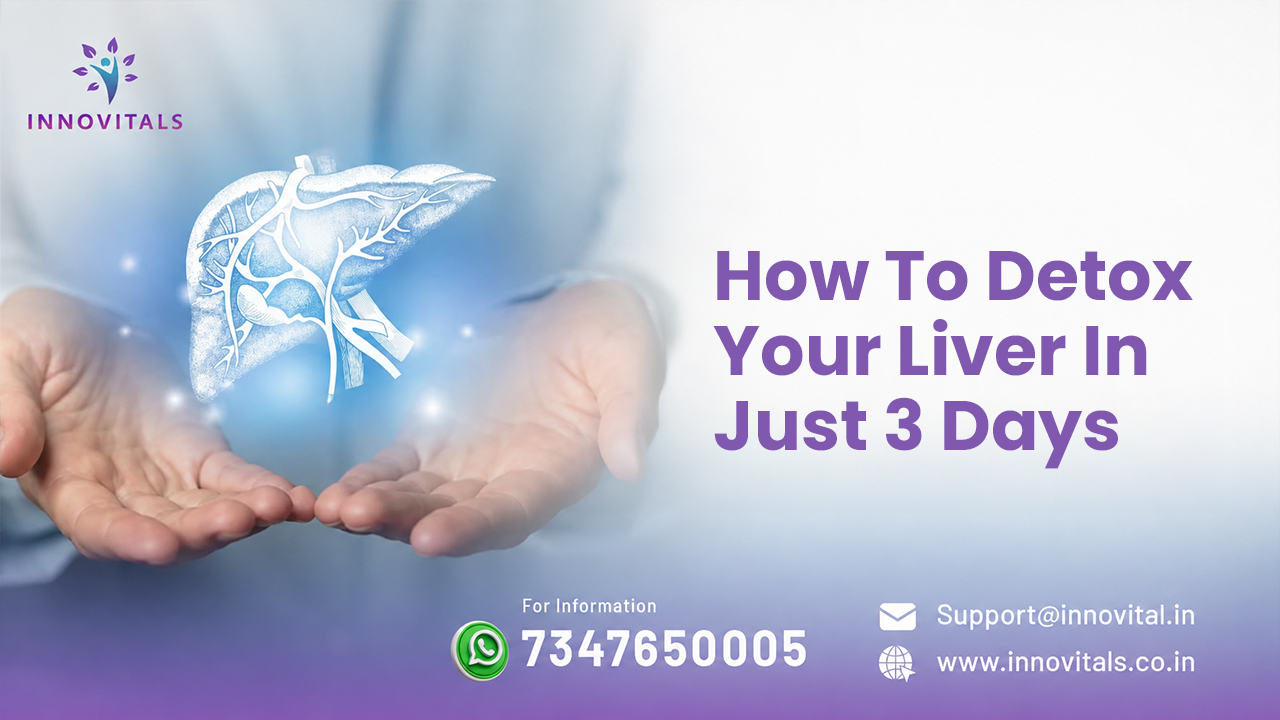
How to Detox Your Liver Naturally: Tips & Healthy Habits

Every minute, the liver filters more than 1.5 litres of blood. It breaks down hormones the body no longer requires, neutralizes alcohol, creates bile for the digestion of fat, and metabolizes drugs. There are about 500 different metabolic processes going on at once, and when something goes wrong, there’s no obvious warning.

Indeed, things do go wrong. The liver eventually becomes unable to handle the weight of years of processed food, alcohol, environmental pollutants, insufficient sleep, and ongoing stress. The symptoms include prolonged bloating, brain fog that lasts into the afternoon, and poor energy that doesn’t react to sleep. They are not haphazard annoyances. They serve as the body’s signal that there is a problem with the liver. 

Restoring bile flow, promoting cellular repair, reducing oxidative stress, and restoring normal liver enzyme activity are all possible with a targeted three-day liver detox. Three days isn’t a ruse. When done properly, by day two or three, there are visible improvements in energy, digestion, and mental clarity. 

Signs You Need a 3-Day Liver Detox

The majority of people don’t wait until a major issue arises. When the common symptoms are no longer dismissible, they begin to pay attention. Let’s examine the symptoms and indicators that point to the need for a three-day liver detox.

Low energy that doesn’t go away with rest: The liver makes glucose, controls blood sugar, and breaks down thyroid hormones. Fuel production decreases and sleep loses its restorative properties when it is congested.

Gas, sluggish digestion, and bloating: Insufficient bile causes incomplete fat digestion, which results in bloating and a sense of being heavy after meals. When the issue is actually with the liver, many address it as a digestive issue. 

Skin changes: When bilirubin processing is delayed, it builds up in the bloodstream and manifests as persistent itching without a rash or mild yellowing of the eyes.

Both pale stools and dark urine are signs of aberrant bilirubin excretion. A physician visit is more appropriate than a home detox if these continue for more than a few days.

Right-sided upper stomach pain: Early liver inflammation or congestion may be indicated by a dull aching or pressure in the upper right quadrant, especially after fatty foods.

Brain fog and poor concentration: Even low-grade accumulation disrupts neurotransmitter activity when the liver’s ammonia clearance slows, leading to mood instability and cognitive sluggishness. 

Hormonal disruption: When the liver is backed up, testosterone, cortisol, and oestrogen circulate longer than they should. This manifests as more intense PMS in women. Elevated oestrogen compared to testosterone is a typical outcome in men.

Unexpected weight gain around the midsection: Fat storage around the belly increases when the liver’s ability to metabolize fat and control insulin declines. 

How Your Liver Naturally Detoxifies Your Body?

The liver purifies your blood in two stages, according to study that was published in the National Library of Medicine. Phases I and II.

Phase I (Functionalization): During this stage, it absorbs and degrades toxins that are floating in your blood. It’s similar to breaking open a locked box, except it makes a mess in the process. For a short while, some of those fragments are more dangerous than the original toxin. 

Phase II (Conjugation): During Phase 2, the liver bundles those dangerous fragments and affixes them to “carrier” molecules, which then transport them out of the body through bile or urine. Sulphur, amino acids from protein, and B vitamins are the nutrients that power this phase. Toxins accumulate and the packing process slows down in the absence of essential nutrients.

In addition, the liver generates proteins that aid in blood clotting, digests fat, stores energy for use in between meals, and produces about one litre of bile every day. All of these functions suffer simultaneously when the toxic load becomes too high. 

“According to WHO, the overall prevalence of NAFLD in adults in Asia varies from 15% to 40%. In India, the community prevalence of NAFLD varies from 5% to 32%, depending on age, gender, area of residence and socioeconomic status.”

Natural Ways to Detox Liver in 3 Days

Reduced inflammation, enhanced bile flow, decreased oxidative stress, and quantifiably improved energy can all be achieved in three days. Every day of the protocol has a specific function that builds upon the one before it.

Nevertheless, a three-day reset is not a complete recovery. Complete restoration of liver function may require three to six months of regular healthy habits, depending on how long the liver has been under stress. Consider this detox as the beginning rather than the end. 

Day 1 – Preparation Phase

To lessen the burden on the liver, cut out alcohol, caffeine, sweets, processed foods, fried foods, red meat, and dairy. Drink two to three litres of water to stay hydrated. Pay particular attention to steaming cruciferous vegetables, beets, raw salads, and dandelion root tea. Walk or do some mild yoga to keep your movement light. 

Day 2 – Cleansing Phase

Keep staying away from processed foods. Incorporate legumes, chlorella, and garlic-roasted veggies into nutrient-dense smoothies, and sip tea with turmeric and ginger. Aim for eight hours of sleep and take an Epsom salt bath to aid with detoxification. 

Day 3 – Recovery Phase

To encourage liver detoxification and reduce inflammation, eat foods like oatmeal, walnuts, roasted sweet potatoes, and wild salmon along with leafy greens and green tea. For targeted liver protection and general health, add milk thistle and NAC supplements. 

Best Foods for 3-Day Liver Detox

Beets: Beets increase bile flow, lessen liver inflammation, and shield liver cells from oxidative damage. Consume it juiced, roasted, or raw. constant during the course of the three days.

Leafy greens, such as spinach, kale, dandelion greens, and rocket, have a high chlorophyll content that helps counteract chemical toxins and heavy metals in the bloodstream before they get to the liver.

Cruciferous plants, such as broccoli, cauliflower, and Brussels sprouts, contain natural substances called glucosinolates that directly activate Phase II detox enzymes, according to a study published in the National Library of Medicine. The dietary category with the strongest evidence for liver support is this one. 

Garlic: According to research published in Biomedical Reports, the body uses allicin and alliin to produce the sulphur compounds required for Phase II sulfation. It is clinically significant to take one to two cloves every day.

Walnuts: Rich in L-arginine and glutathione, both essential for Phase II conjugation.

Avocado: Avocados are a wonderful source of monounsaturated fatty acids and other beneficial fats that help the liver in general. Compounds in avocado oil helped shield liver cells and lessen oxidative stress and inflammation in liver tissues, according to research published in Food & Chemical Toxicology. This suggests a protective effect against liver damage in experimental conditions.

Lemon and citrus: Citrus peel’s limonene activates Phase II enzymes, while vitamin C promotes the synthesis of glutathione. 

6 Powerful Liver Detox Drinks

Warm Lemon Water: Promotes the formation of bile, supplies glutathione with ascorbic acid, and slightly alkalinizes bile to enhance flow.

Fresh beets, ginger, cucumber, lemon, and a tiny apple are combined to make beet and ginger juice. Gingerols from ginger and betalains from beets combine to produce a potent anti-inflammatory mixture.

Black pepper, ginger, turmeric powder, and coconut milk make up the dairy-free Turmeric Golden Milk. According to studies published in Planta Medica, black pepper can boost curcumin absorption by up to 2000%. Without it, the majority of the curcumin is not absorbed. 

Dandelion Root Tea: Brewed dandelion root promotes the regeneration of liver cells and directly increases bile output. Ideal before supper.

Spinach, cucumber, green apple, lemon, ginger, and parsley make up the Green Detox Smoothie. This is the best breakfast choice during the detox window because of its high chlorophyll and vitamin C content.

Milk Thistle Tea: It releases enough silymarin to provide hepatocytes with significant protection. A simple daily routine that lasts far longer than three days. 

Daily Habits That Support Liver Detox

The liver’s greatest detox window is from midnight to three in the morning, so get seven to nine hours of sleep. This mechanism is directly disrupted by disturbed sleep. According to a National Library of Medicine study, fatty liver disease is more common among those who get less than six hours of sleep per night. Even if their weight or diet is unrelated, they have a 35–40% increased risk of developing this illness.

Minimize exposure to environmental toxins: During a three-day detox, avoiding cosmetics containing parabens and phthalates, avoiding synthetic perfumes, and switching to natural cleaning products all significantly lower the liver’s incoming load. Little adjustments, significant impact. 

Control stress: The liver’s main antioxidant defense, glutathione, is depleted by cortisol. Over time, even 15 minutes of daily meditation or diaphragmatic breathing can have a discernible impact on cortisol curves.

Walking or cycling for 30 to 45 minutes can improve hepatic blood flow, increase lymph flow, and decrease liver fat. Regular aerobic exercise lowers liver fat without affecting diet, according to a Hepatology study. Maintaining a reasonable level of effort during the detox is detrimental, as is hard exercise on the first day.

Sweat: Sweating in a sauna or during physical activity helps the body eliminate toxins through the skin, relieving part of the liver’s workload. Heavy metals and phthalates were found in sweat samples, confirming that the skin is a valid excretion route, according to research published in the Journal of Environmental and Public Health. 

Reduce the amount of time spent on screens in the evening. Blue light interferes with the generation of melatonin, which directly affects the effectiveness of liver detoxification at night. Most individuals don’t realize this until they try turning off screens after 9 p.m. and experience deeper sleep. 

Supplements That Aid Liver Detox

Whole foods serve as the cornerstone, but supplements often fill in the gaps left by diet alone, particularly after years of processed food, excessive pharmaceutical usage, or substantial exposure to toxins. 

Milk Thistle (Silymarin)

The liver supplement that has been studied the most. It lowers inflammation, shields liver cells from harm, and promotes their renewal. It considerably reduces liver enzyme levels, according to a meta-analysis published in the Canadian Journal of Gastroenterology & Hepatology. You may read more about the effects of milk thistle on fatty liver. 

N-Acetyl Cysteine (NAC)

The primary self-cleaning molecule of the liver, glutathione, is produced by the body using NAC. It is the primary treatment for paracetamol overdose in hospitals. A study with 30 participants found that taking NAC for four months significantly reduced liver enzyme levels (ALT and AST), with reductions of roughly 25–35%, according to data published in the National Library of Medicine. This was contrasted with a placebo. Additionally, the study revealed decreased indications of liver damage and improvements in liver health markers. 

Alpha Lipoic Acid (ALA)

An antioxidant that protects liver cells in areas that most antioxidants cannot reach because it functions in both fat and water environments within the body. Additionally, it aids in the recycling of glutathione after it is depleted. 

Turmeric/Curcumin

Curcumin inhibits NF-kB, the signalling protein that causes inflammation, and activates Nrf2, the body’s internal antioxidant control switch, according to a study published in the National Library of Medicine. This combination lowers oxidative stress and liver inflammation. Look for formulations that contain piperine because very little curcumin is really absorbed without black pepper extract. 
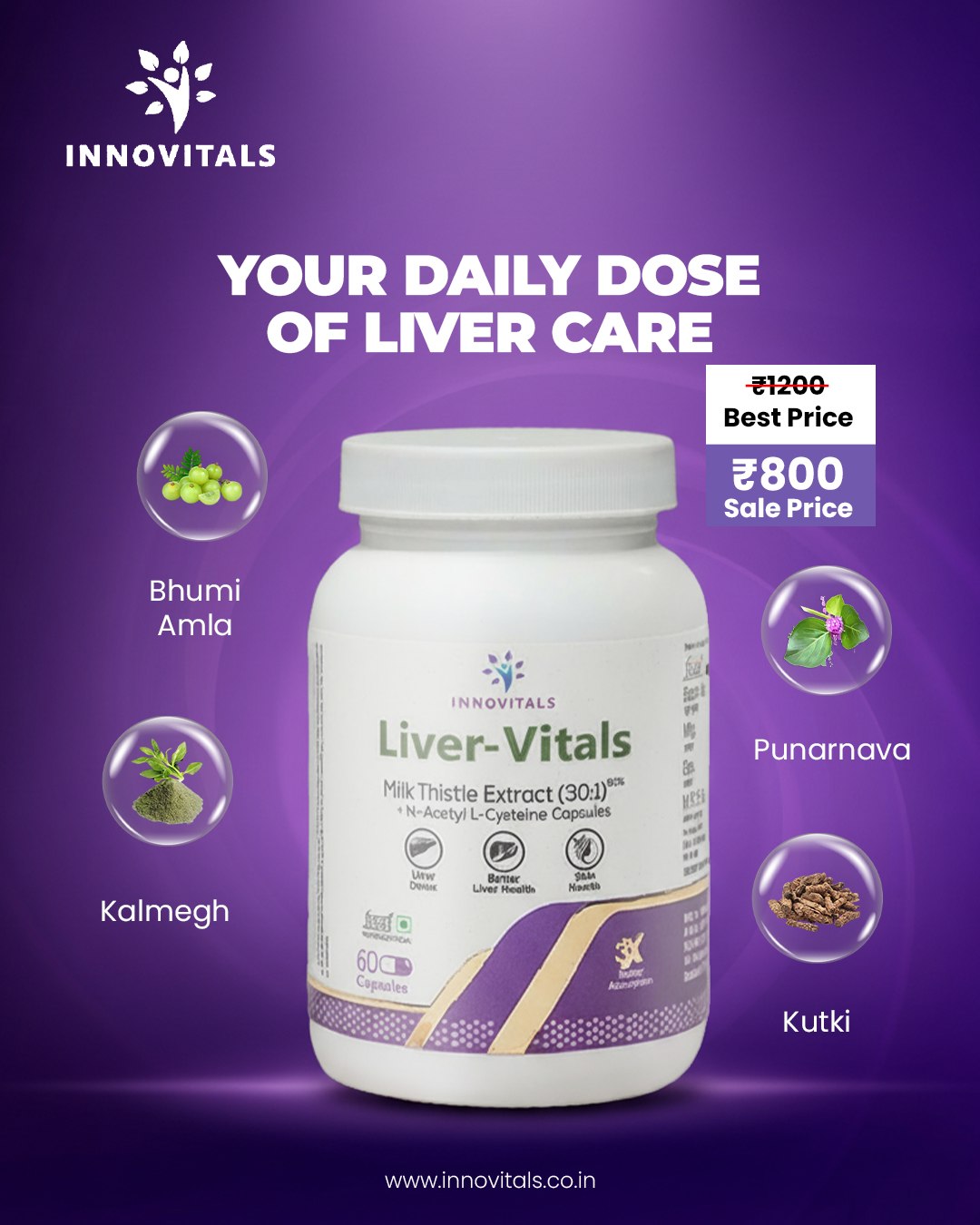
Liver Vital
Liver Vital

Signs Of Liver Detox Working

Usually, changes start within 24 to 48 hours and grow more apparent as the days go by.

Greater vitality in the morning: When you wake up, you no longer feel like a zombie. Most folks don’t need three alarms or coffee to get out of bed by day two.

Less bloating: When your body is finally efficiently digesting food again, your stomach no longer feels like a balloon after meals.

Clearer urine: Your urine becomes pale and clear rather than dark yellow, which is a straightforward indication that your body is effectively eliminating waste.

Improved toilet visits: Frequent, simpler bowel movements indicate that your liver and gut are functioning properly. 

Less facial puffiness: As the body expels backed-up fluid, that swollen, puffy appearance you see in the mirror every morning begins to go.

Brain fog lifting: By day three, thoughts are more focused and lucid. As the liver removes waste from the blood, the mental fog that caused difficulty concentrating begins to subside.

Deeper sleep: The second night usually feels much better; you fall asleep more quickly, stay asleep longer, and wake up feeling rejuvenated. 

What to Expect During Your 3-Day Liver Detox?

Day one is frequently the most difficult, especially if alcohol and sugar are being eliminated along with caffeine. Mild withdrawal symptoms are typical.

  • mild headache, particularly on the first day’s afternoon
  • temporary exhaustion when the body modifies its fuel sources
  • increased urine as hydration levels rise
  • People with rapidly increased bile flow may occasionally experience mild nausea.
  • These are not justifications for quitting. They are consistent indicators that the protocol is functioning. 

Most people sleep better than usual by the evening of the first day. Energy and mental clarity start to significantly change by the middle of day two. On day three, there is a noticeable improvement in digestion, reduced bloating in the gut, and a discernible change in mood and thought quality.

Pro Tip: Treating day one as the difficult portion and coasting on day three is the largest error individuals make. The vitamins, sleep, and dietary adjustments all work in concert on day three of the regimen. Proceed with day one, maintain consistency on day three, and let the outcomes represent the entire three days instead of just two. 

Maintaining Liver Health After Detox

If the habits that caused the issue reappear right away, a three-day reset won’t do much.

Cut refined carbs and added sugars first. Fructose, which is mostly metabolized in the liver and is a major cause of fat storage, is present in high-fructose corn syrup, sugary drinks and processed foods. High fructose consumption independently stimulates hepatic de novo lipogenesis, in which the liver directly transforms the sugar into fat, according to research published in the Journal of Hepatology. Within four weeks, cutting off sodas, fruit juices, sweetened yoghurt, and packaged pastries can result in a discernible decrease in liver fat. 

Alcohol should be consumed within liver-safe limits because the liver can process around one standard drink every hour. Liver enzyme levels are regularly elevated by more than 14 standard drinks per week (for men) or 7 for women. The liver needs at least two days a week without alcohol to fully heal.

Continue taking milk thistle supplements; long-term use is supported by the study. There is no proof that prolonged silymarin intake is harmful, and the hepatoprotective effect lasts as long as supplementation is taken.

Maintain Phase II enzyme upregulation by including three to five servings of cruciferous vegetables each week in your diet. This is a baseline rather than a detox-only intervention.

Do seasonal resets: Twice a year, a concentrated one- or three-day detox helps avoid the slow build-up of liver burden that eventually causes symptoms. 

Myths vs Facts About Liver Detox

Myth: The liver cleanses itself without assistance.

Fact: Although the liver can heal itself, it often operates at maximum capacity in a world full of processed foods, toxins in the environment, and prescription drugs. It keeps up with targeted nutrients.

Myth: “Detox” is an advertising phrase with no scientific backing.

Fact: There are real, scientifically validated biological mechanisms involved in detoxification, sometimes referred to as phase I and phase II detoxification. Peer-reviewed academic research, not commercials trying to sell you anything, is what supports providing your liver with the right nutrients. 

Myth: You can’t make any changes in three days.

Fact: Contrary to popular belief, the liver is far more sensitive to dietary changes. Three to seven days after adopting a dietary modification, you can assess statistically significant changes in liver enzyme activity, according to research published in the American Journal of Translational Research. 

Finally,

Food, air, water, drugs, alcohol, stress hormones, and environmental pollutants are all filtered by the liver. Until the load is too big to handle, it accomplishes all of this in silence and without a warning light. A three-day liver detox is a methodical, nutrient-rich reset that provides the liver with what it needs to catch up, lower inflammation, enhance bile flow, and replenish the vitality and clarity that a clogged liver gradually loses.

The program delivers inside the three-day window when the proper foods, evidence-based supplements like milk thistle and NAC, enough sleep, and less toxic input are used. Energy gets better. Digestion returns to normal. The stomach shrinks. Mental clarity comes back. Three days of concentrated care for an organ that functions around the clock. 

Read Also: Grade 1 Fatty Liver – Causes, Symptoms, and Best Treatment Tips
and Then: How to Manage Fatty Liver Grade 2: Symptoms, Medications, and Lifestyle Tips

Frequently Asked Questions (FAQs)

How soon can I feel the effects of a liver detox?

During the first day or two, you may experience a slight increase in energy or mental clarity, primarily from avoiding junk food and caffeine. With a healthy diet and supporting supplements like milk thistle, you should anticipate a deeper, more obvious improvement in your liver in about three to six months. 

Is a three-day detox safe for everyone?

A three-day detox usually doesn’t cause any problems for healthy folks. Anyone with diabetes, liver disease, or a chronic illness is an exception. A brief consultation with a physician before beginning treatment is the best course of action because some meals and supplements have an impact on how drugs function. 

Can I keep doing normal work during the detox?

Indeed. Most people’s daily habits are unaffected. Fatigue on the first day is typically related to cutting back on caffeine rather than the detox itself. For most, it goes by in a day. 

What if I don’t finish all three days?

Even a day or two is worth something. Reducing alcohol, sugar, and processed foods relieves the liver’s strain. Better outcomes are obtained after three days, however stopping early does not undo previous work. 

Will a natural detox help my liver in the long run?

It can, but not by itself. When a three-day detox results in real behaviour changes, such as reducing alcohol consumption, increasing water intake, and regularly eating healthier, it works best. The effects are fleeting in the absence of that follow-through.

What is the fastest way to clean my liver?

There is no quick liver cleanse. The best approach is to avoid alcohol, maintain a healthy weight, eat a balanced diet, exercise regularly, and manage conditions such as diabetes and high cholesterol.

What are the first signs of a bad liver?

Early liver problems may cause fatigue, loss of appetite, nausea, abdominal discomfort, or itching. However, liver disease can also have no noticeable symptoms in its early stages.

Which fruit cleans the liver?

No single fruit can “clean” the liver. Fruits such as berries, apples, oranges, and grapefruit can be part of a balanced diet that supports overall liver health.

What is the best drink for liver repair?

Water is the best everyday drink for supporting overall health. Unsweetened coffee may also be associated with better liver health in some people. Avoid excessive alcohol and sugary drinks.

What is a 7-day liver cleanse diet?

A healthy 7-day liver-supporting diet should focus on vegetables, fruits, whole grains, legumes, lean proteins, and healthy fats while limiting alcohol, processed foods, added sugar, and excess saturated fat. Detox diets are not medically necessary for most people.

What are the 7 signs that my liver is failing?

Possible warning signs include yellow skin or eyes (jaundice), swelling in the abdomen or legs, confusion or unusual sleepiness, dark urine, pale stools, easy bruising or bleeding, and severe fatigue. These symptoms can indicate serious liver disease and require prompt medical evaluation.
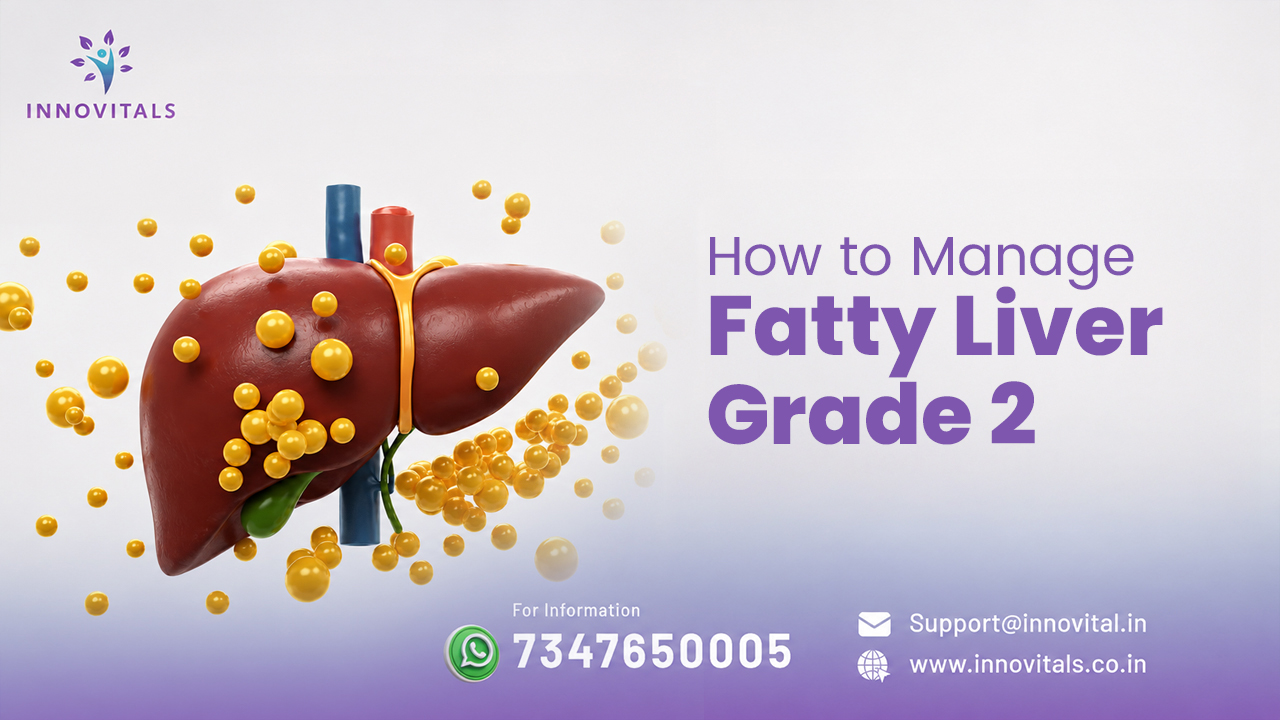
How to Manage Fatty Liver Grade 2: Symptoms, Medications, and Lifestyle Tips

Have you become less hungry? Have you recently been inadvertently losing weight? Or do you frequently feel bloated? Did you realize that a fatty liver may be the cause of all these problems? More is being handled by our livers than in the past. The burden has been increased by plastics, pollution, and daily chemical exposure from processed goods and cosmetics. The filtration system of the body has not kept up.

It affects about 38.6% of Indian adults and 35.4% of Indian children, according to research published in the Journal of Clinical and Experimental Hepatology. Fortunately, if the damage is not too severe, fatty liver can be reversed. Changes in food and lifestyle are usually effective at Grade 2 because the symptoms are still mild enough. 

What is Fatty Liver Grade 2?

Hepatic steatosis, another name for fatty liver disease, is the buildup of fat in the liver cells. It can be divided into two categories:

NAFLD, or non-alcoholic fatty liver disease

AFLD, or alcoholic fatty liver disease

Everybody’s healthy liver has a tiny amount of fat; when this fat accumulates, the liver becomes fatty. Liver inflammation and cell damage could result from this. According to research published in the National Library of Medicine, fat makes up between 34% and 66% of liver weight in Grade 2. It’s the moderate stage, past the early warning indicators but not yet at the point of significant harm. It’s important to recognize it here because intervention is still simple. 

Is Grade 2 Fatty Liver Dangerous?

Although grade 2 fatty liver is considered moderate, it is not necessarily benign. If left untreated, it can advance to Grade 3, where it becomes much more difficult to reverse the problems. Ignoring it may result in: 

  • Decreased Liver Function: The liver’s capacity to appropriately digest nutrients and filter poisons is compromised.
  • Fibrosis: The accumulation of scar tissue within the liver gradually impairs its function.
  • Extensive scarring from cirrhosis may cause the liver to fail.
  • Hepatitis: Inflammation of the liver that gradually exacerbates preexisting damage.
  • Severe loss of liver function that may necessitate a liver transplant is known as liver failure.
  • Liver Cancer: Prolonged liver injury increases the chance of developing malignant cells.

People often put off taking action since none of these things happen right away. However, Grade 2 is still inside the true window of opportunity to change direction. You have less time to heal if you treat the symptoms as soon as possible. 

Causes and Risk Factors

Grade 2 fatty liver does not appear suddenly. Poor metabolic health and lifestyle decisions are the most frequent causes:

  • Insulin resistance, elevated triglycerides, obesity, and type 2 diabetes
  • A diet that is constantly heavy in processed foods, sugar, and refined carbohydrates
  • Frequent alcohol use is a direct cause of AFLD.
  • PCOD, thyroid conditions, and some drugs
  • Some people are more inclined due to genetics, independent of their lifestyle or diet.

Additional Contributing Elements

  • Prolonged stress
  • Inadequate sleeping habits
  • Underlying medical disorders such as hypothyroidism 

Symptoms of Grade 2 Fatty Liver

The symptoms are frequently so prevalent and subtle that they may go unnoticed. Therefore, the best method to find it early is to have regular liver exams.

Additionally, you may occasionally begin to experience the following signs of grade 2 fatty liver: 

Symptoms Description
Fatigue Persistent fatigue that interferes with day-to-day activities and persists even after enough rest. 
Abdominal Discomfort A dull ache at the location of the liver in the upper right part of your belly. 
Loss of Appetite Reduced desire to eat anything, which leads to a reduction in food consumption. 
Weight Loss Inadvertent weight reduction even when following a regular diet. 
Jaundice Yellowness in the eyes and on the skin could be a sign of liver disease. 
Nausea Uneasy stomach that makes you want to throw up. 

If symptoms worsen, the fatty liver may require immediate medical intervention. Among the symptoms are:

  • Pale stools and dark urine
  • swelling in the abdomen or legs
  • Red, spider-like markings on the skin or itchy skin
  • Mood swings, disorientation, or mental fog

Since the liver lacks pain receptors, pain typically originates from oedema or surrounding tissue. If multiple symptoms appear at the same time, it’s better to look into it than to wait. 

How Is Grade 2 Fatty Liver Diagnosed?

A blood test is typically the first step in the diagnosis process. The initial sign is frequently elevated liver enzymes such as ALT and AST. Imaging then verifies the degree of fat accumulation. The most popular next step is an ultrasound, which can clearly display fatty alterations in the liver. Without making an incision, a FibroScan assesses the stiffness of the liver.

An MRI can provide a more detailed picture in some situations. Although a liver biopsy is rarely necessary at Grade 2, it could be advised if fibrosis is detected or if other tests yield conflicting results. 

Can Grade 2 Fatty Liver Be Reversed?

Indeed. If there is no severe fibrosis in the liver, grade 2 is still within the reversible range. One of the few organs capable of regeneration is the liver. Over several months, fat storage can be decreased with the correct dietary and lifestyle adjustments. Losing 7 to 10% of body weight considerably lowers liver fat levels, according to studies published in Hepatology.

Follow-up scans allow for the measurement of improvement, but the process takes time—typically three months to a year. Acting before it reaches Grade 3, when scar tissue begins to make healing more challenging, is crucial. 

Treatment Options

Giving your liver less work to complete is the main goal of treatment at Grade 2. A few consistent adjustments combined make a significant difference, but no single solution works.

Minimize your toxic load: Toxins enter your body from all directions. Nowadays, poisons can be found wherever you walk, including salons, furniture, paint, plastic, cosmetics, receipts, and pollution. You must exercise caution when you go out in order to maintain the health of your liver. Reduce the amount of plastic, receipts, etc. you use. When possible, stay away from breathing in pollutants from salons and furniture. 

Include bitter foods: You can greatly improve the health of your liver by eating bitter foods like fenugreek, broccoli, sesame seeds, and bitter gourd. These foods guarantee a healthy increase of bile juice production, which facilitates further digestion and, eventually, the breakdown of fat deposits. Additionally, they raise your body’s levels of glutathione, a powerful antioxidant.

Dietary adjustments: Reduce processed fats, sugar, and refined carbohydrates. Natural sweeteners like xylitol and stevia can be used in place of sugar/fructose-based sweeteners. According to studies published in the National Library of Medicine, these are the main causes of the accumulation of liver fat. 

Weight management: A study published in Clinical Gastroenterology and Hepatology found that individuals with NASH (Non-Alcoholic Steatohepatitis) can significantly reduce their liver fat and size by decreasing 5–10% of their body weight. Over time, it was demonstrated that this weight loss reduced liver fat by 25.5% and its volume by 5.3%.

Handling underlying conditions: The liver is stressed by excessive blood pressure, high cholesterol, and uncontrolled blood sugar. It is important to have things under control.

Alcohol: One of the easiest things you can do if you drink is to cut back or quit. It is not negotiable for AFLD.

Medication: Your doctor may prescribe medication if you have diabetes, cholesterol problems, or inflammation. 

Who Is Susceptible to Grade 2 Fatty Liver?

Some groups are more vulnerable than others:

  • Individuals who lead inactive lives or are obese
  • People who have insulin resistance or type 2 diabetes
  • Excessive alcohol consumption, independent of other variables
  • Thyroid dysfunction and PCOD in women
  • People taking certain cholesterol medicines or steroids for an extended period of time

Another factor is age. Although younger people are being diagnosed more frequently due to current dietary patterns, risk increases after age 40. 

Essential Lifestyle Changes to Manage Grade 2 Fatty Liver

When they receive this diagnosis, the majority of patients search for a certain course of treatment. In actuality, your regular routines are the remedy. Move first. Over time, a 30-minute exercise five days a week is actually sufficient to lower liver fat. It doesn’t have to be that intense. It must be reliable. A couple further adjustments that are worthwhile: 

  • Your body’s ability to manage blood sugar is improved by strength training two to three times a week, which directly lowers liver fat. The study, which was published in Nature Journals, found that hepatic fat content decreased by a mean relative 25.9% following four months of resistance training (three sessions per week). 
  • Insufficient sleep alters metabolism and increases cortisol. The majority of people underestimate the detrimental effects of sleep deprivation. The body’s evening cortisol (stress hormone) levels rise after six nights of barely four hours of sleep, according to research published in Sleep Science. The body handles sugar substantially poorly as a result of this alteration, which lowers the body’s insulin response and glucose management by roughly 30% each. These consequences resemble those of type 2 diabetes in its early stages.
  • Prolonged stress has the same impact. Fat is pushed toward the liver by elevated cortisol. It is not optional to manage it.
  • Reducing alcohol consumption, if not completely giving it up, relieves significant strain on the liver. 

Diet Recommendations: What to Eat and What to Avoid

Eat more of:

  • Vegetables, particularly cruciferous ones like broccoli and cauliflower and leafy greens
  • Whole grains, such as millets, brown rice, and oats
  • Lean proteins include fish, eggs, lentils, dal, and low-fat dairy.
  • Nuts, seeds, and olive oil provide healthy fats.
  • Foods high in antioxidants, such as green tea, berries, turmeric, and garlic 

Cut back on:

  • Sweets, bottled juices, sugar-filled beverages, and sugar
  • White bread, dishes made with maida, and quick noodles are examples of refined carbohydrates.
  • Ultra-processed and fried foods
  • Excessive consumption of red meat and full-fat dairy
  • Alcohol 

Medicines & Supplements To Treat Grade 2 Fatty Liver

There isn’t a single medication that can fully treat grade 2 fatty liver. In order to manage and avoid problems, treatment mostly focuses on addressing the underlying causes. Alcohol usage, poor diet, obesity, diabetes, and high cholesterol are common factors. As we’ve covered, altering one’s food and way of life might assist control or even somewhat lessen the illness.

However, changing one’s diet and way of life is frequently the most successful strategy. Supplements might also aid in the management of the illness. Several potent and scientifically supported supplements for the treatment of fatty liver include: 

Milk Thistle

Silymarin, or milk thistle, aids in the healing of liver cells. It is mostly prized for its anti-inflammatory, antioxidant, and liver-protective properties, which may lessen persistent liver cell stress. For those with fatty liver issues, it is frequently taken as a supportive supplement. It has silymarin, which enhances liver function and promotes the regeneration of liver cells.

In patients with fatty liver disease, silymarin decreased ALT by 17.12 IU/L, AST by 12.56 IU/L, and triglycerides by 22.60 mg/dL, according to a meta-analysis of nine clinical trials published in the Canadian Liver Journal.

Vitamin E

In clinical trials, vitamin E has been beneficial for NAFLD patients without diabetes. Because of its potent antioxidant properties, it may be able to reduce oxidative stress, which is a contributing factor to liver inflammation. Rather than being a generic supplement for everyone, it is typically mentioned more in situations with non-diabetic fatty liver. After 96 weeks, vitamin E improved 43% of non-diabetic persons with NASH compared to 19% on a placebo, according to research published in The New England Journal of Medicine. 

N-acetyl cysteine

One of the body’s primary antioxidants for liver protection, glutathione, is replenished with the aid of N-acetyl cysteine (NAC). Over time, this could promote improved liver function and reduce oxidative stress. NAC is a useful supplement in the treatment of fatty liver disease since it has been demonstrated to enhance liver function and decrease the buildup of fat in the liver. Rather than being a stand-alone remedy, NAC is frequently discussed as a supporting nutrient.

After six months, NAC decreased ALT by 16.67%, AST by 16.13%, and the oxidative stress marker MDA by 15.97% in NASH patients, according to research published in Pharmaceuticals. 

It’s crucial to look for supplements that assist lower inflammation and boost liver function while selecting the finest one for fatty liver. Milk thistle and N-acetylcysteine (NAC) are an efficient combo that can boost the liver’s natural detoxifying mechanisms and shield it from additional harm. 

Finally,

Although grade 2 fatty liver is a serious illness that requires serious care, it also reacts well to the appropriate adjustments. Drastic measures or an aggressive protocol are not necessary. What really makes a difference is making regular changes to your diet, exercise routine, and stress management techniques. When the liver is given the proper conditions to heal, it is forgiving. Obtain a diagnosis, comprehend your numbers, and begin making adjustments. At this point, that is actually enough to change things. 

You can try liver vitals for liver detox in earlier stage

Liver Vital
Liver Vital

Frequently Asked Questions [FAQs]

Can fatty liver grade 2 be cured?

In most circumstances, it is possible to reverse grade 2 fatty liver. It is not a chronic illness. The liver can gradually eliminate the extra fat with steady dietary adjustments, frequent exercise, and treatment of the underlying cause, such as obesity, alcoholism, or insulin resistance. Seldom does sporadic effort make a difference. 

How to reduce fatty liver grade 2?

Eliminate alcohol, white flour, fried meals, and processed sugar completely. Increase your intake of veggies, protein, and foods high in healthy fats, such as fish and nuts. At least five days a week should be dedicated to exercise. If you are overweight, gradually reduce your body weight. Liver fat is quantifiably reduced by even a 7–10% decrease in body weight. Check and control your triglycerides and blood sugar. 

How long will it take to reverse fatty liver grade 2?

After making significant lifestyle changes, the majority of people observe improvements on ultrasonography within three to six months. Depending on how much fat is present, how closely the diet is adhered to, and whether or not illnesses like diabetes are being handled, a complete reversal may take anywhere from six months to two years. A set timetable does not exist. 

Can I eat rice in fatty liver grade 2?

You can, but how much you eat is important. White rice rapidly increases blood sugar, which over time can exacerbate liver fat. If rice is a staple for you, eat it in smaller portions and combine it with protein, veggies, or lentils to decrease the absorption of glucose. If you can handle it, millets or brown rice make superior substitutes. 

Is curd good for fatty liver grade 2?

Unsweetened, plain curd is OK and even helpful. It is a wonderful source of probiotics and protein, and the metabolism of fat in the liver is influenced by gut health. Steer clear of sweetened or flavoured variants. Moderate amounts of full-fat curd are okay.

Does Innovitals Liver Vitals cure fatty liver?

Innovitals Liver Vitals should not be claimed to cure fatty liver. Fatty liver management primarily involves diet, physical activity, weight management, and treatment of underlying conditions. If you are considering Liver Vitals as a supplement, consult a healthcare professional and use it only as directed.

Read Also: Grade 1 Fatty Liver – Causes, Symptoms, and Best Treatment Tips


Grade 1 Fatty Liver – Causes, Symptoms, and Best Treatment Tips

Did you know that up to 32% of Indians may have fatty liver disease, according to research published in the Indian Journal of Community Medicine?

What is Fatty Liver Grade 1?

Based on the degree of fat buildup and liver damage, fatty liver disease is sometimes divided into many classes. The earliest and least severe stage of the illness is called grade 1, or mild fatty liver. Fat deposits within liver cells are modestly elevated in Grade 1 Fatty Liver; typically, less than 33% of liver cells are impacted, according to research published in the World Journal of Gastroenterology.

When most people discover they have grade 1 fatty liver, they take no action. That’s the error. The good news is that your liver can still repair at this point. Take action, and with the correct diet, exercise, vitamins, and liver-supporting behaviours, you can totally reverse it. 

How Common is Grade 1 Fatty Liver?

Grade 1 fatty liver is more common than most people think, honestly. A research write-up on ScienceDirect says non-alcoholic fatty liver disease (NAFLD) is now affecting about 30% of the adult world population. Grade 1 is kind of the lightest stage; the fat has started to build up inside liver cells, but there’s not much notable inflammation or scarring yet

In India, the pattern is harder to shrug off. The ScienceDirect research suggests NAFLD prevalence in city-based Indians sits around 16% to 32%, and in that range, grade 1 is most of what doctors find. South Asians usually develop fatty liver at lower BMI levels compared to Western groups. So, a lot of people who don’t look overweight on the outside are still dealing with it, quietly

Also, it’s showing up in younger age groups now. This is not only an older person issue anymore, like for people over 50. Metabolic syndrome is appearing earlier, and fatty liver tends to follow right after it.

Consequences of Untreated Fatty Liver Grade 1

Grade 1 fatty liver might develop into more serious problems if left untreated:

Steatohepatitis: Non-alcoholic steatohepatitis (NASH) is a condition in which the accumulation of fat promotes inflammation in the liver.

Fibrosis: The liver may acquire fibrous structures as a result of ongoing inflammation and injury. Even though fibrosis is a sign of scar tissue, the liver may still function rather well at this point. However, fibrosis can develop into cirrhosis if treatment is not received. 

Cirrhosis: This is a severe liver scarring in which fibrotic tissue mostly replaces the liver tissue, impairing liver function.

Liver Cancer: Cirrhosis and chronic inflammation greatly raise the risk of liver cancer. Long-term liver damage can result in hepatocellular carcinoma, the most prevalent form of primary liver cancer.

Liver Failure: The liver loses its capacity to operate normally as a result of advanced liver disease. A liver transplant may be necessary for this potentially fatal illness. 

What are the Causes and Risk Factors of Grade 1 Fatty Liver?

Metabolism is the most immediate reason. The liver begins storing extra fat and sugar in its own cells when it absorbs more than it can digest. However, a few significant contributors are overlooked by that oversimplification.

The most important factor is dietary habits. High fructose consumption accelerates the buildup of liver fat more quickly than most individuals know, especially from sugary drinks and highly processed foods. According to studies published in the International Journal of Molecular Studies, roughly 70% of the fructose is metabolized nearly exclusively in the liver, and excess quantities transform directly into fat.

Another significant factor is insulin resistance. The liver makes more fat to make up for cells’ improper insulin response. Fatty liver has a substantial correlation with both type 2 diabetes and pre-diabetes. 

Body fat distribution is more important than obesity. Compared to subcutaneous fat, visceral fat—the type that surrounds internal organs—is more metabolically active and harmful to the liver. Grade 1 fatty liver can nevertheless develop in a person with a normal BMI but a wide waist.

Additional risk factors consist of:

  • Sedentary Lifestyle: The liver’s capacity to eliminate fat is diminished by inactivity.
  • Hypothyroidism: A slow thyroid slows the metabolism of fat in general.
  • Hormonal abnormalities associated with insulin resistance increase the incidence of liver obesity in Polycystic Ovary Syndrome (PCOS).
  • Alcohol Consumption: When other risk factors are already present, even moderate drinking speeds up the accumulation of fat.
  • Tamoxifen, corticosteroids, and several antipsychotics are among the medications that may 

Genetics is another factor. The PNPLA3 gene variant, which codes for a protein involved in fat metabolism, has a form that dramatically raises the risk of fatty liver, according to a study published in Science Direct. People with South Asian and Hispanic ancestry are most likely to have this gene variation. 

Symptoms of Grade 1 Fatty Liver

Symptoms Description
Feeling Unusually Tired or Weak Feeling fatigued even after adequate rest
Mild Pain/Discomfort Under Right Ribs Mild ache or discomfort on the right side of the abdomen, where the liver is located
Occasional Nausea Periodic feeling of uneasiness, especially after meals
Heartburn, Bloating, Indigestion Symptoms of gastrointestinal discomfort, such as acid reflux and abdominal swelling.
Changes in Appetite, Feeling Full Quickly Alteration in hunger levels or feeling full quickly during meals.
Consuming fruits containing fructose High intake of fructose-rich fruits can contribute to fatty liver development

How To Reverse Grade 1 Fatty Liver?

The most realistic stage for reversal is grade 1. The liver has a significant capacity for regeneration, and if fibrosis is absent, the fat can be removed with the appropriate treatments.

One thing is clear from the data: the most consistent improvement is caused by weight loss. A 7% decrease in body weight improved the histology of liver fat in most of the subjects, according to research published in the Journal of Hepatology.

Exercise and a healthy diet work better together than either one alone, but calorie restriction alone does yield results. 

Diet Tips to Manage and Reverse Grade 1 Fatty Liver

First, reduce fructose

The liver is disproportionately harmed by sugar-filled beverages, packaged fruit juices, and goods that contain high-fructose corn syrup. This is typically the single dietary modification with the biggest impact.

Cut Down on Refined Carbs

Processed snacks, maida-based foods, and high amounts of white rice raise insulin and encourage the liver to store fat. When these are swapped out for whole grains, the glycaemic load is reduced, and the liver has less work to do.

Consume More Fibre

Dietary fibre enhances the gut microbiome in ways that directly lower the production of liver fat, according to research published in Nature Metabolism. Here, whole grains, legumes, and vegetables all play a part. 

Include Coffee.

People are surprised by this one. Regular coffee drinking (two to three cups per day) is linked to reduced rates of liver fibrosis advancement in NAFLD patients, according to research published in Nutrients. Antioxidant substances and anti-inflammatory properties are part of the mechanism. Coffee that is either black or slightly sweetened without a lot of sugar.

Replace refined vegetable oils with olive oil.

According to studies published in the National Library of Medicine, olive oil’s oleic acid has demonstrated hepatoprotective qualities.

Limit Your Alcohol Use

Reducing alcohol consumption lessens the liver’s metabolic load, even for moderate drinkers. Regular alcohol use and grade 1 fatty liver are not a good mix. 

Consume more foods high in choline.

Choline, a substance required by the liver for fat transfer, is found in eggs, fish, and lean meat. Although most individuals are unaware of it, one of the silent causes of fatty liver is insufficient choline intake.

Eat fermented foods and prebiotics.

Foods that support gut health, which is directly related to liver function, include yoghurt, kefir, sauerkraut, kimchi, and kombucha. Fat buildup can be avoided, and liver inflammation can be reduced with a balanced gut microbiota. 

Set Up a Schedule for Intermittent Fasting

Reversing the causes of grade 1 fatty liver requires intermittent fasting, such as the 16/8 approach (16 hours fasting, 8-hour eating window), which enhances insulin sensitivity and promotes weight loss. For additional information, see this video instruction on beginning intermittent fasting.

Steer clear of refined seed oil.

Use cold-pressed coconut oil instead of seed oils, which might exacerbate the symptoms of grade 1 fatty liver by inducing inflammation. This modification can lower the body’s inflammatory levels and promote liver function. 

Lifestyle Changes for Better Liver Health

Engage in Regular Exercise

Consistency is more important than type. According to a 12-week study published in Clinical and Translational Gastroenterology, individuals with fatty liver who exercised three to five times a week for approximately an hour—whether it was brisk walking or mild strength training—lost ten to thirteen percent of the fat accumulated in their liver. Just regular movement, no medicine. Try to get in at least 150 minutes a week of moderate exercise.

Cut Down on Sitting Time

Regardless of how much exercise you perform, prolonged sedentary behaviour exacerbates insulin resistance. There are quantifiable metabolic benefits to breaking up extended periods of sitting, even with 5-minute walks every hour. 

Make Sleep a Priority

Reduced insulin sensitivity and increased liver fat are associated with poor sleep quality and short sleep duration. A meta-analysis that was published in Springer states that getting 7-8 hours of sleep every night reduces the incidence of fatty liver by 20–29% when compared to shorter sleep durations.

Control Your Stress

Chronic stress increases cortisol, which exacerbates insulin resistance. The hormonal mechanism is real and well-documented, so this is not a soft suggestion.

Obtain Frequent Follow-Up

Not all cases of grade 1 fatty liver remain grade 1. You can monitor whether things are improving or going in the wrong direction by getting a follow-up ultrasound every six to twelve months, depending on your doctor’s recommendation. 

Consume Supplements That Are Good for Your Liver

As you adjust your lifestyle, several nutrients can help maintain liver health. N-acetylcysteine (NAC) has demonstrated promise in lowering liver fat and promoting general liver function, whereas milk thistle is well-known for its antioxidant qualities that may help shield liver cells. 

Prevention: How To Avoid Developing Grade 1 Fatty Liver?

It mostly boils down to the basics, like you know the basics. Try reducing your alcohol intake, or just quit it completely if you can. Also cut back on sugar and those refined carbohydrates because the liver quickly turns more fructose into fat. Then add some movement; even brisk walking for about 30 minutes, five days a week, can make a real discernible difference.

If you’re carrying extra weight, losing 5 to 10% of your body weight can stop early fat buildup. Keep tabs on your cholesterol and blood sugar often, especially if it runs in your family. Honestly, that’s about it, no dramatic mystery. It really is just consistency, nothing overly complex, nothing fancy. 

Is Grade 1 Fatty Liver Dangerous?

Indeed, Grade 1 Fatty Liver can be a risk. In this, Grade 1 means there are small fat deposits, but there is no established scarring or inflammation. Most people with Grade 1 go on living regularly, and they often don’t feel any symptoms. Not paying attention to it is actually dangerous, even if it seems mild. If things stay the same, it may creep into Grade 2 or Grade 3, and then eventually lead to serious problems like cirrhosis or non-alcoholic steatohepatitis (NASH). Think of Grade 1 as more of a warning signal than some immediate dire situation.

Myths vs Facts

Myth: Fatty liver only messes up heavy drinkers.

Fact: The number of cases of non-alcoholic fatty liver has gone past alcoholic fatty liver. For most people, alcohol is not as key as diet, obesity and insulin resistance.

Myth: Your liver is fine if you feel fine.

Fact: For grade 1 fatty liver, there are no real symptoms at all. Feeling normal, kinda meaning nothing is happening, does not really hold up.

Myth: It can’t be reversed.  

Fact: One of the most returnable stages is grade 1. Within weeks to months, the fat sitting in the liver can be taken away by diet plus exercise.

To Conclude…

When treated early, grade 1 fatty liver is usually completely reversible. At this point, no medicine is required. It only takes a balanced diet, regular exercise, and frequent check-ups to make things better. Along with dietary modifications, several supplements, such as milk thistle and NAC, may also promote liver health. Under the correct circumstances, the liver can heal itself. To get you thinking, consider these fascinating facts: 

  • According to studies, fatty liver disease affects almost one in three Indians, making it a serious public health issue.
  • The growth in fatty liver instances in India is mostly caused by sedentary lifestyles, rising fast food intake, and stress related to urban living.
  • Although fatty liver grade 1 is frequently associated with obesity, it can also affect non-obese people in India, particularly those who have metabolic syndrome or diabetes.
  • Fortunately, fatty liver grade 1 can be controlled and even reversed with prompt dietary and lifestyle modifications. 

Frequently Asked Questions [FAQs]

Can Grade 1 fatty liver cause diabetes?

Indeed, if left untreated, it can affect the liver’s capacity to regulate blood sugar levels, resulting in type 2 diabetes. 

Is coconut water good for the liver?

Indeed, it is a low-calorie drink that supports liver function and is high in vitamins, electrolytes, and antioxidants. 

Is grade 1 fatty liver curable?

Yes, with the correct dietary and lifestyle adjustments, it is completely reversible. 

How do I know if my liver is recovering?

Reduced weariness, more energy, and enhanced general wellbeing are indicators of liver repair. Improved blood sugar, reduced cholesterol, and improved metabolic health are other signs of improved liver function. Tests that detect blood enzymes like ALT and AST can be used to monitor liver function; lower levels of these enzymes indicate better liver function. 

What causes grade 1 fatty liver?

The most frequent reasons include a poor diet, too much sugar, refined carbohydrates, alcohol, obesity, and insulin resistance. Over time, high levels of stress and insufficient sleep also contribute.

Can Grade 1 fatty liver be reversed naturally?

Yes. Grade 1 fatty liver is often manageable and may improve with weight management, regular exercise, a balanced diet, and limiting alcohol.

What foods should I eat with Grade 1 fatty liver?

Focus on vegetables, fruits in moderate portions, whole grains, legumes, lean proteins, nuts, and healthy fats. Reduce sugary drinks, refined carbohydrates, fried foods, and highly processed foods.

How long does it take to reverse Grade 1 fatty liver?

Improvement can take several months and varies from person to person. Consistent lifestyle changes and follow-up with a healthcare professional are important.

Is exercise good for Grade 1 fatty liver?

Yes. Regular aerobic activity and strength training can help reduce liver fat and improve overall metabolic health. Aim for consistent physical activity based on your fitness level.

Do I need medicine for Grade 1 fatty liver?

Not necessarily. Treatment often focuses on lifestyle changes and managing conditions such as obesity, diabetes, or high cholesterol. A doctor can determine whether medication or further testing is appropriate.

Is fatty liver grade 1 serious?

Grade 1 fatty liver is usually a mild and reversible condition. However, it should not be ignored because untreated fatty liver can progress over time. Healthy eating, regular exercise, weight management, and medical guidance can help improve liver health.

How can I reduce fatty liver grade 1?

You can help reduce grade 1 fatty liver by maintaining a healthy weight, exercising regularly, limiting sugar and refined carbohydrates, avoiding excessive alcohol, and eating more vegetables, whole grains, lean proteins, and healthy fats.

Is stage 1 liver curable?

If you mean grade 1 fatty liver, it is often reversible, especially when addressed early. Lifestyle changes and treatment of underlying conditions such as obesity, diabetes, or high cholesterol can help reduce liver fat.

What not to eat in fatty liver grade 1?

Limit foods high in added sugar, fried foods, processed foods, sugary drinks, refined carbohydrates, processed meats, and foods high in saturated or trans fats. Alcohol should also be avoided or limited according to your doctor’s advice.

Can grade 1 fatty liver be treated?

Yes. Grade 1 fatty liver can often be improved and, in many cases, reversed through lifestyle changes. The right approach depends on the underlying cause and your overall health.

What not to eat in grade 1 fatty liver?

Avoid or limit sugary beverages, sweets, pastries, fried foods, fast food, processed meats, refined grains, and high-fat processed foods. Focus instead on a balanced diet rich in vegetables, fiber, lean protein, and healthy fats.

How to reduce fatty liver in 14 days?

There is no guaranteed way to reverse fatty liver completely in 14 days. However, you can start improving liver health by avoiding alcohol, reducing added sugar and processed foods, exercising regularly, and following a balanced calorie-controlled diet. Sustainable changes are more important than quick fixes.

What are the 10 worst foods for fatty liver?

Common foods to limit include sugary soft drinks, sweets, cakes and pastries, fried foods, fast food, processed meats, chips, refined white bread, high-sugar cereals, and foods high in saturated or trans fats. Portion size and overall diet also matter.

Can I eat rice in fatty liver grade 1?

Yes, you can eat rice in moderation. Choose appropriate portions and consider brown rice or other whole grains more often. Pair rice with vegetables, pulses, or lean protein rather than eating large portions of rice alone.

Which drink reduces fatty liver?

No drink can directly cure fatty liver. Water is the best everyday choice. Unsweetened coffee may also be associated with better liver health in some people, but it should not replace medical treatment or healthy lifestyle changes.

Is boiled egg good for fatty liver?

Yes, boiled eggs can be included in a fatty liver-friendly diet. Eggs provide protein and other nutrients. Keep overall dietary balance in mind and avoid pairing them with highly processed or fried foods.

Does Innovitals Liver Vitals cure fatty liver?

Innovitals Liver Vitals should not be claimed to cure fatty liver. Fatty liver management primarily involves diet, physical activity, weight management, and treatment of underlying conditions. If you are considering Liver Vitals as a supplement, consult a healthcare professional and use it only as directed.

You can try liver vitals for liver detox in earlier stage

Liver Vital
Liver Vital

7 Powerful Ways to Increase Your Child’s Appetite – Kids Feeding Guide

Every parent has experienced this: after preparing a whole meal, your child only takes two bites before declaring themselves “done.” They are unable to quit eating the following day.

The appetite. Furthermore, most parents are unaware of how common it is.

Fundamentally, appetite is just your child’s level of hunger and the amount of food their body is currently requesting. Your children just care about what their stomach requires; they are neither fussy nor obstinate.

Everything else follows when there is a robust hunger. Your youngster has the energy to play, run, concentrate in class, and fend off illnesses. In the background, growth occurs silently, but it requires fuel to continue. 

However, no one actually informs you that appetite is not supposed to be constant. It was never meant to be.

On certain days, your child will surprise you by devouring the entire plate. On other days, the same dish that they adored the previous week is passed around without a second thought. Both are typical. Sleep, attitude, growth spurts, and the amount of running they did that day all subtly alter their level of hunger.

Most parents make the error of evaluating their child’s health based only on one meal. A single poor eating day does not indicate a problem. 

Causes of Poor Appetite in Your Child

If your child has been eating poorly lately, you are undoubtedly already thinking of every possible explanation. And really? The solution is typically easier than you might imagine.

Sometimes it’s only a passing phase. At other occasions, a particular obstacle is in the way. This is typically the cause of it:

Picky Eating

The majority of children will gladly consume chips, noodles, and biscuits throughout the day. However, when you place a bowl of dal, some sabzi, or a piece of fruit in front of them, their hunger disappears. The issue is that their favourite foods just provide them with calories. They continue to overlook the nutrients that their bodies truly require. 

They are sick.

Fever, cold, teething, and an unsettled stomach. Eating takes a backseat while the body is battling something. After they recuperate, their appetite normally returns.

Insufficient Nutrients

Hunger is directly suppressed by low levels of iron, zinc, or B vitamins. Particularly zinc. Children with low zinc levels actually feel less hungry, according to research. Once the shortage is corrected, appetite frequently returns on its own. 

Stress on an emotional level

A new schedule, a new school, and a new location. Although they can’t always express it verbally, children feel everything. It frequently manifests as a refusal to eat.

Excessive Snacking

A large glass of milk before supper, a packet of biscuits in the evening, and continual snacking all day. There is just no space left by the time the dish is really presented.

It gets much easier to correct once you understand what’s causing it. 

Warning Signs of Poor Appetite

You shouldn’t be concerned if you occasionally skip meals. However, there are some indicators to be aware of.

It’s not just one bad day; they’re refusing to eat on a regular basis. Every meal is a struggle. Every plate is returned full. That pattern is important.

Children are meant to grow, so they aren’t gaining weight. Their body isn’t getting the nutrients it needs to stay up if the scale hasn’t moved in months or, worse, is declining.

They are constantly exhausted, not drowsy after a game. A more profound form of low energy. When they should be running, they are sitting. Losing interest in past passions. 

They keep getting sick—one infection after another, barely getting better before the next one strikes. A child who is malnourished is simply unable to defend themselves in the same manner as one who is well-fed.

According to a study that was published in PubMed, children who had a persistent lack of appetite had far lower levels of micronutrients, especially iron and zinc, which had an immediate impact on their growth trajectory and immunity.

Even modest undernutrition in early childhood causes long-lasting immune function gaps that don’t completely heal on their own without treatment, according to another PubMed study.

As a parent, your gut is typically correct. If anything seems strange, it most likely is. 

Did you know? According to the Comprehensive National Nutrition Survey, more than thirty percent of Indian children aged five to nine suffer from at least one micronutrient deficit that is severe enough to impair immunity and growth. If left untreated, poor appetite is rarely a passing phase.

How to Handle Your Child’s Changing Appetite?

Take a breath first. The majority of children’s hunger fluctuations are entirely typical and transient.

Growth doesn’t occur at a steady rate.

Your child will devour everything in sight for weeks at a time. After that, there is a slower stage during which their body is solidifying and their appetite naturally decreases. Both are involved in the same process.

A decrease in appetite is normal and not concerning.

Most children naturally begin to eat less around the age of two. It’s so prevalent that it has a medical term: physiological anorexia of toddlerhood. However, for some reason, it makes practically all parents panic. 

Consider the week rather than the meal.

It’s a good day if your youngster had a respectable breakfast and a reasonable dinner but a bad lunch. Give up measuring with separate plates. Zoom out.

Don’t ever force-feed

This is a crucial one. Pressuring kids to eat really makes them more averse to food over time, according to research published in PubMed. Their relationship with food deteriorates as you put more pressure on them.

Make low-pressure dinners.

No bribery. No, no “one more bite.” Don’t make the spoon become an aeroplane. Eat your own food, sit together, and have regular conversations. When kids feel comfortable and safe during mealtimes, they eat better. 

Don’t bargain; make an offer.

Arrange the food on the dish. Let them determine the amount. Children are actually fairly adept at matching intake to their energy demands when adults cease interfering with that inclination, according to a seminal PubMed study on children’s self-regulation.

Observe the timing of the snack

Every time, a snack 45 minutes before supper will ruin the meal. You’ll be shocked at how much better they eat if you allow two hours between snacks and meals.

More important than quantity is variety.

It is much better to consume a small piece of four distinct items than a large meal of just one. Variety, not quantity, is the source of nutrients. 

Unpopular Advice: Quit recording every bite. Kids notice this right away, and parents who excessively check intake cause more worry during mealtimes than they alleviate. It’s your responsibility to serve delicious cuisine. It is their responsibility to choose the amount. Have faith in that division.

7 Ways to Improve Appetite in a Child

One of the most frequent challenges parents encounter is getting a child to eat healthily. The good news is that minor adjustments made consistently can have a significant impact.

Maintain a Meal Plan

Frequent meal and snack schedules aid in the natural regulation of hunger signals.

Limit Your Portions

Having a lot on your plate might be stressful. Let them ask for more after you start with a little.

Make Eating Fun

Children are truly interested in colours, shapes, and presentation.

Limit your intake of milk and juice before meals.

They soon fill them full, leaving little space for food. 

Cut Down on Snacking Near Meals

Before dinner even begins, it destroys the appetite.

Have dinner as a family.

When they observe others consuming the same meal, children consume more.

Steer clear of force feeding

It produces a long-lasting bad relationship with eating.

How to Encourage Your Child to Eat More?

Force-feeding a child is never effective. It simply makes mealtimes stressful. Instead, strive to make eating seem like a regular, pleasurable part of the day rather than a duty.

Give them a choice between two healthy options to give them some control. They have a sense of involvement.

Introduce new meals gradually by pairing them with things kids already enjoy.

Avoid distractions by avoiding screens while eating. It makes it easier for them to concentrate on eating.

A simple “good job trying that” goes farther than you may imagine. Congratulate the effort rather than the quantity.

Be patient when it comes to tastes and textures: Children may need to be introduced to a food ten or more times before they would accept it.

Make mealtimes peaceful and upbeat: Stressed eaters are a result of a stressful atmosphere. 

To Conclude…

Children’s lack of appetite might be upsetting. However, with the correct strategy, it is usually controllable.

Pay attention to trends rather than a single poor meal. Make mealtimes relaxed, predictable, and stress-free. Over time, minor adjustments to routine, diet, and surroundings can have a significant impact.

However, don’t disregard indicators that suggest a larger issue. A child’s feelings, growth, and eating habits are greatly influenced by their diet.

A perfect formula does not exist. Each child is unique. Remain consistent, patient, and have faith in the process. Appetite typically returns with the proper assistance. 

Read Also: 5 Warning Signs of Calcium Deficiency in Kids

Frequently Asked Questions(FAQs)

What are the common causes of poor appetite in children?

Picky eating, illness, nutritional inadequacies, stress, and consuming too much milk or snacks are some reasons why children have weak appetites. These lessen appetite and mealtime interest. 

When should I be concerned about my child’s poor appetite?

If your child loses weight, feels exhausted, avoids meals for days, or gets sick frequently, you should be worried about their diet. These might require medical care. 

Are there any dietary supplements that can help improve my child’s appetite?

Indeed, a number of supplements containing iron, zinc, and B vitamins may aid in promoting appetite. When diet is insufficient, they are helpful. 

How can I encourage my child to eat more?

Serve modest servings, maintain a relaxed atmosphere throughout meals, and refrain from pushing food. Give them a choice of healthful options so they may feel in charge. 

What role does physical activity play in a child’s appetite?

Children who run, play, and stay active typically feel hungry and eat better; therefore, physical activity has a significant impact on a child’s appetite.

How to naturally increase a child’s appetite?

Offer small, nutritious meals at regular times, limit frequent snacks and sugary drinks, encourage physical activity, and create a relaxed mealtime environment.

What to give a child who has no appetite?

Offer nutrient-dense foods such as eggs, yogurt, paneer, dal, fruits, vegetables, whole grains, and nut or seed butters, when appropriate for the child’s age.

How to increase appetite in kids with Ayurveda?

Some traditional Ayurvedic approaches use herbs and spices to support digestion. However, consult a qualified pediatrician or Ayurvedic practitioner before giving herbs or supplements to children.

What foods naturally increase appetite?

There is no single food proven to increase appetite. Small portions of flavorful, nutrient-rich foods and regular meal schedules can encourage children to eat.

How long can a child safely go without eating?

It depends on the child’s age, health, and fluid intake. A child who repeatedly refuses food, cannot keep fluids down, or shows signs of dehydration should receive medical attention promptly.

How to increase a 4-year-old’s appetite?

Offer three balanced meals with healthy snacks, keep portions small, avoid forcing food, limit drinks immediately before meals, and let the child eat independently when possible.

What home remedy is good for a child’s appetite?

There is no universally proven home remedy. A consistent meal routine, adequate sleep, physical activity, and nutritious foods are safer ways to support healthy eating habits.

Which vitamin increases appetite?

There is no specific vitamin that should routinely be used as an appetite stimulant. Treating a confirmed nutrient deficiency may improve appetite when the deficiency is the cause.

What vitamin deficiencies affect appetite?

Deficiencies in nutrients such as zinc, iron, and certain B vitamins may sometimes affect appetite. Testing and supplementation should be guided by a healthcare professional.

You may like this also: 70-80g Daily Protein Meal Plan for Women | Easy for Weight Loss

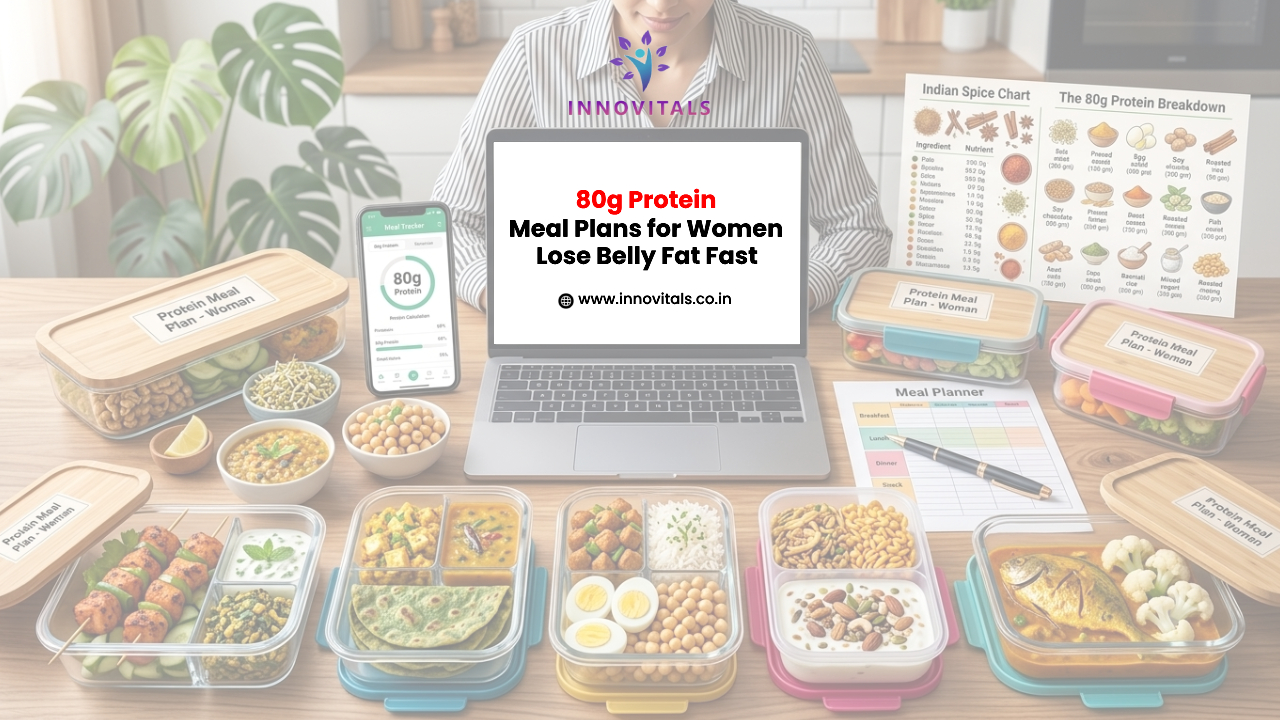
70-80g Daily Protein Meal Plan for Women | Easy for Weight Loss

About four in ten Indian women have abdominal obesity, even if the scale seems pretty normal, like it’s calm, but their belly is not.

That’s literally 4 out of every 10 women moving around with extra midsection fat that’s slowly piling up, and raising the odds of diabetes, heart problems, and a bunch of metabolic disorders. 

When I started analyzing the diets of hundreds of women from our own community, there was ONE shared pattern, not something vague, but pretty clear. Most of them were getting less than half the protein their bodies actually need.

So in this video I’m going to share the exact protein amount that can help reduce abdominal fat and shift your body composition, and honestly, it’s probably a lot different from what you assume.

And if you’re the kind of person who eats daal, roti and sabji pretty regularly, you’re working out too, maybe even watching the scale number drop, but your belly refuses to budge… then this is going to be a real game-changer for you.

The Hidden Problem: Normal Weight, High Belly Fat

The most recent NFHS-Five data reveals something shocking: while just 23% of Indian women are overweight by BMI norms, much more are coping with harmful visceral fat. Those are ladies who have a “normal” weight on the scale but face concealed health hazards.

The main issue is protein insufficiency, paired with our carb-heavy typical diets. 

Why Muscle Loss After 30 Changes Everything?

Here is the scary bit nobody really says out loud: you start losing muscle mass after around thirty. Like, it’s gradual, and then suddenly you’re like, wow.

After thirty, most of us lose roughly 3-8% of our muscle mass every ten years. Then after sixty, that whole thing speeds up a lot more.  

And it’s not only about whether you look “toned” or if you can still fit into your old clothes. With less muscle, your metabolism tends to slow down, your bones get less sturdy, you feel less energy, and even normal routines like standing for a while, climbing stairs, or just carrying heavier bags can start feeling like a chore.

And here’s the part a lot of women don’t realize properly: when you lose muscle and your metabolic rate drops, your body starts putting on more fat. Usually it collects more around the belly, not just anywhere. That’s why so many Indian women deal with abdominal obesity even while they’re eating “healthy”, or at least trying to.

How Much Protein Do You Really Need?

So the standard recommendation you’ll find everywhere is 0.8 grams of protein per kilogram of body weight. So if you weigh sixty kilos, that’s roughly forty-eight grams of protein per day.

But here’s the thing: that’s actually just the MINIMUM, like literally to prevent deficiency. It’s not the amount you need to thrive, to build muscle, or to have optimal energy and stamina.

Experts now know we might need almost forty percent MORE protein than that “standard” number, if the goal is to build and maintain muscle, especially as we age, and yes, even keep things stable when life gets busy.

So this is what I recommend: aim for closer to 0.8 grams per POUND of your IDEAL body weight. Not your current weight, your ideal, healthy weight.

Let me break it down with an example. Let’s say your ideal weight is around 58 kilos, which is about 128 pounds. Using that formula, you’d need around 102 grams of protein per day.

For most Indian women, that sweet spot is somewhere between 80 and 120 grams per day.

Now, 80 grams is basically your baseline; it’s what your body needs to support muscle maintenance and daily function properly. But if you want to actually see body decomposition—like you want to build muscle, look leaner, and feel stronger—then aim closer to 120 grams.

And if you’re post-menopausal, this part is really important. Your body tends to break down protein faster during and after menopause. So you may need even MORE protein to help prevent weight gain, and to avoid muscle loss.

Now if you’re the one thinking like, “Palak, that sounds like a LOT of protein. Does it really make that much difference?”

Let me give you the numbers.

Why Protein Intake Makes a Massive Difference?

In one large trial, women who consumed more protein shed 60% more body fat and kept 40% more muscle while eating the same number of calories as the lower protein group.

Same number of calories. Just more protein and fewer carbohydrates.

And when they added easy activity to it, such as walking for 30 minutes five days a week and doing some basic bodyweight exercises twice a week, the improvements were much more significant.

This is why I keep emphasizing protein isn’t just for bodybuilders or those looking to bulk up. It’s for every woman who wants to feel strong, have energy, lose stubborn belly fat, and stay healthy as she gets older. 

The Biggest Mistake: Protein Timing

Here’s the timing trick, which is gonna mess with how you view your food choices, like in a good way.

Start by taking more protein at breakfast!

Yeah, there are studies behind this: when you eat more protein in the morning than at night, it’s linked with better muscle gains and a leaner body composition, more or less.

So doing the usual thing—stuffing most of your protein at dinner, like most people already do— is kind of not the best move.

And pay attention to this part: if you spread your protein out across meals, roughly 30 grams each time, you can see around 25% higher muscle protein synthesis compared to eating nearly all of it at dinner.

Like 25% more muscle building, just by changing when you eat protein. That’s the hack.

Now picture a normal Indian eating pattern. In the morning we might do tea and biscuits, or poha, and that’s maybe 5 to 10 grams protein. Then lunch looks a bit lighter, something like dal and roti, and then dinner is where we go hard with chicken or paneer, getting close to 30 grams.

But the idea is to flip it. Begin the day with 30 to 40 grams of protein at breakfast, and you should notice way better outcomes.

Real Also: 5 Warning Signs of Calcium Deficiency in Kids

What a High-Protein Indian Diet Actually Looks Like?

Okay, now let’s get to what everyone really wants to know: what does 80 grams of protein look like in real, eatable Indian meals?

And remember what we just learned: we want to get off to a good start at breakfast!

I’m going to give you three alternative choices. Save this, since these meal plans will make your life so much easier.

Option 1:

Breakfast – 4-egg omelette + sautéed veggies

1 egg ≈ 6 g protein

4 eggs = 24 g

Veggies add negligible protein (~1-2 g)

Total breakfast ≈ 25-26 g

Lunch – 1 katori dal + rice + 2 pieces chicken or fish

1 katori dal ≈ 9-10 g

2 small pieces of chicken/fish (about 100-120 g total cooked)

≈ 22-25 g

Rice doesn’t add much protein (~2-3 g)

Total lunch ≈ 33-38 g

Dinner – 100 g paneer sabzi + quinoa + roti

100 g paneer ≈ 18 g

1 roti ≈ 3 g

½-1 cup quinoa ≈ 4-6 g

Total dinner ≈ 25-27 g

Daily Total Protein: ≈ 83-91 grams

Option 2:

Breakfast – Moong dal cheela (2 medium) + homemade butter + yogurt

Cheela: 18-20 g

Yogurt: 4-5 g

Total breakfast: 22-25 g

Mid-morning – Protein shake + roasted chana

Protein shake: 18-22 g

Roasted chana (30 g): 6-7 g

Total mid-morning: 24-29 g

Lunch – Fish curry + veg pulao + sautéed veggies

Fish (100-120 g cooked): 22-25 g

Veg pulao + veggies: 3-4 g

Total lunch: 25-29 g

Dinner – Grilled chicken or tofu + vegetables

Chicken (100-120 g): 22-25 g

or

Tofu (100 g): 13-15 g

Veggies: 1-2 g

Dinner with chicken: 23-27 g

Dinner with tofu: 14-17 g

Total Daily Protein:

If dinner is chicken: ≈ 94-110 g

If dinner is tofu: ≈ 85-100 g

Option 3:

Breakfast – 4-egg bhurji + cheese + 2 slices sourdough bread

4 eggs = 24 g

Cheese (20-25 g) = 5-7 g

Sourdough bread (2 slices) = 4-5 g

Total breakfast ≈ 33-36 g

Lunch – Chicken curry + quinoa chapati + sautéed veggies

Chicken (100-120 g cooked) = 22-25 g

Quinoa chapati = 4-5 g

Sautéed veggies = 1-2 g

Total lunch ≈ 27-32 g

Evening – Seed mix + 2 boiled eggs

2 eggs = 12 g

A handful of seeds = 3-4 g

Total evening ≈ 15-16 g

Dinner – Paneer tikka (100 g) + protein-rich dip

Paneer (100 g) = 18 g

Protein-based sauce (curd/tahini/peanut) = 2-3 g

Total dinner ≈ 20-21 g

Total Daily Protein: ≈ 95-105 g protein per day

How to Reach 120g of Protein Easily?

Now, here’s how you go from 80 grams to 120 grams.

You include one protein shake per day.

A decent-quality whey protein shake has 25 to 30 grams of protein. If you add that to your typical 80 to 90 grams from food, you’ll be at 120 grams each day.

This is when your body truly begins to transform. Because you are no longer simply preserving muscle; you are actively developing it. 

You may also like this: Top 7 Benefits of Taking Vitamin C and Zinc Together

Does Protein Timing Around Workouts Matter?

So, let me quickly address the whole protein timing argument.

You’ve probably heard that you must consume protein within 30 minutes of finishing your workout, right? According to a current study, what matters most is your overall daily protein intake throughout the day, rather than the exact moment. A protein-rich meal can provide anabolic benefits for up to 6 hours.

That being said, I still prefer protein around my exercises because it aids in recuperation. But don’t worry if you can’t; just focus on meeting your daily protein need. 

Protein Quality Matters Too

Now, before we wrap this up, I need to talk about protein quality, because yeah, not all protein is really “equal”, you know.  

Animal proteins like eggs, chicken and fish are usually seen as high-quality proteins, since they contain all 9 essential amino acids that your body can’t make by itself.  

Plant proteins are awesome as well, but sometimes you have to be a bit more picky, or thoughtful, with how you put things together. You need to combine different plant sources so you cover the whole amino acid lineup. Like daal with rice, or rajma with roti— as a pair they tend to work better.  

There’s also one specific amino acid, leucine, that’s kind of a big deal for muscle building. You’ll find it in higher amounts in whey protein, eggs, and chicken.  

And here’s something most people don’t really know: part of your protein can come from collagen. Collagen is important for joints, skin, bones, and connective tissues; it’s not just for “beauty” or whatever. You can get it from bone broth, chicken skin, or collagen supplements.  

If you’re considering collagen supplements, then look for hydrolyzed collagen peptides. They’re often described as giving quicker results, because they’re already broken down in a way that your body absorbs better.

Finally,

Getting enough protein in a day is simple and cheaper than you would expect. All it needs is a few smart choices of protein-rich yet balanced Indian meals and dividing your protein intake throughout the day when you’re consumed with your goals. Food choices would ensure that you will achieve your desired weight management successfully, save your lean muscle mass, and lose that persistent belly fat as well.

Whether you are a vegetarian or a non-vegetarian, small changes in your food habits can go a long way in helping you improve your health over time. Some of the examples of such small changes include eating breakfast that contains more protein, including quality protein-rich ingredients in every food choice, and leading an active life.

Frequently Asked Questions (FAQs)

Why is 80g of protein a day important for women?

Protein supports muscle maintenance, recovery, healthy hair and skin, and overall body function. The ideal amount varies based on age, body weight, activity level, and health goals.

What are the best Indian foods for reaching 80g of protein?

Good options include paneer, Greek yogurt or curd, milk, eggs, dal, chickpeas, rajma, soy chunks, tofu, sprouts, nuts, and seeds.

Can vegetarians get 80g of protein daily?

Yes. A well-planned vegetarian diet can provide 80g of protein through foods such as paneer, tofu, soy, lentils, beans, dairy, and nuts.

Can an 80g protein meal plan help with weight management?

A protein-rich diet can help increase fullness and support muscle maintenance. However, overall calorie intake and physical activity also matter for weight management.

Is 80g of protein suitable for every woman?

Not necessarily. Protein requirements differ from person to person. Women who are pregnant, breastfeeding, highly active, or managing a medical condition should seek personalized dietary advice from a qualified professional.

How to get 80 grams of protein a day in India?

Include protein-rich foods such as eggs, paneer, curd, dal, soy chunks, tofu, chicken, fish, beans, and nuts across your meals and snacks.

Is 80g of protein enough for a woman?

It can be enough for some women, but protein needs vary based on body weight, age, activity level, and health goals. A personalized target may be more appropriate.

What to eat to get 80g of protein?

Combine foods such as eggs, paneer, Greek yogurt, dal, soy chunks, tofu, chicken, fish, beans, and milk to reach your daily protein target.

Which meal is best to skip?

There is no universally best meal to skip. For most people, maintaining balanced and regular meals is more important than skipping a particular meal.

What’s the worst carb for belly fat?

No single carbohydrate directly causes belly fat. Regularly consuming excess calories from refined, highly processed foods and sugary drinks can contribute to weight gain.

What is a good high-protein meal plan for a woman?

A balanced plan can include eggs or paneer at breakfast, dal and curd with lunch, a protein-rich snack, and tofu, chicken, fish, or paneer with dinner.

How does 80g of protein look like?

80g of protein does not mean eating 80g of protein-rich food. For example, a day’s combination of eggs, paneer, dal, curd, soy/tofu, and other protein foods can collectively provide around 80g of protein.

Also Read: How To Use Glutathione For Skin Whitening: A Complete Guide


How To Get Thick Hair Naturally – 7 Proven Tips

Seldom does hair thinning occur overnight. The majority of people notice notice notice notice notice notice notice notice notice. a larger section line. The shower drain is clogged with more hair. Smaller-feeling ponytails than before. By the time humans have been organically started by the time.

Here’s the uncomfortable truth: most hair products promoted for “instant thickness” are cosmetic trickery. They coat the strand, give it momentary volume, and then wash it off. Improving hair quality at the root, lowering breakage, and promoting healthier growth cycles over time are the sources of true thickness. It requires consistency. Not wonders. 

Why Does Your Hair Lose Thickness: Causes of Hair Thinning

Hair thinning is not only about getting older, honestly. Modern routines can be brutal for hair health, like sleep gets messed up, crash dieting happens, stress builds up. Then you add heat styling, nutrient shortages, and hormonal shifts- and yeah, they all chip away at density little by little.

In men  

In men, thinning is often connected to genetics and hormones, especially DHT (dihydrotestosterone). A study in the Journal of Biomedicine and Pharmacotherapy points to DHT slowly shrinking hair follicles, which leads to strands that are weaker and finer over time. So a lot of guys notice it first around the temples or the crown.

Still, genetics isn’t the whole picture. Smoking, ongoing stress, low protein intake, and scalp problems can speed things up quite a bit.

In women  

Women more often see diffuse thinning, not that classic receding pattern at the hairline. Hormone changes tend to be a big player here. Pregnancy, PCOS, menopause, thyroid issues, and iron deficiency are frequent triggers.

Also, harsher hair routines matter more than people realize. Tight buns, repeated coloring, straightening treatments, and even over-washing can make the hair shaft fragile until it snaps before it ever manages to grow long.

Can You Get Thick Hair?

Although you can naturally increase the thickness and beauty of your hair, there is a limit that no one loves to hear: genetics still establishes the baseline. The number of the number of the number of follicles on the follicles. Maximizing the health of your existing follicles is what you can accomplish. This entails strengthening growth cycles, increasing strand diameter, and decreasing breakage.

Many people actually have great hair density, but chronic inflammation, excessive style, and bad diet damage it. 

Does collagen help make hair thicker?

Collagen may indirectly support hair that seems thicker. Hair itself is mostly formed of keratin, a protein, but collagen supplies amino acids that help support skin and scalp structure.

The majority of individuals overlook another aspect. The suppleness of the scalp and the support of the follicles may deteriorate when collagen decreases. Hair may be found in an environment that may be found in a healthy, collagen-rich environment.

Collagen isn’t a cure-all, though. Adding collagen by itself is unlikely to make much of a difference if your diet is deficient in protein, iron, zinc, or biotin. 

Top 7 Tips To Get Thick Hair Naturally

Tip 1 – Improve Your Protein Intake

Protein is the building block of hair. However, a lot of people who attempt to “eat clean” unintentionally undereat. Low-protein diets may force hair follicles into a resting phase, resulting in more shedding and weaker strands, according to research published in Dermatology Practical & Conceptual. This is particularly prevalent during periods of intense weight reduction.

Eggs, fish, Greek yoghurt, lentils, paneer, poultry, tofu, and nuts are examples of foods high in protein. Regularity is more important than sporadic “healthy eating.” Undernourished hair is generally weak. 

Tip 2 – Use Natural Oils

Contrary to what social media says, natural oils do not miraculously restore bald areas. However, certain oils can lessen breakage, friction, and dryness.

Compared to many other oils, coconut oil enters the hair shaft more effectively, making it very helpful. Because of a randomized controlled research that was published in Skimmed, rosemary oil has drawn interest because it may improve circulation around hair follicles.

Warm oil massages once or twice a week can promote hair management and minimize protein loss from the shaft. Just avoid oiling your scalp excessively every day. That frequently goes wrong. 

Tip 3 – Focus on Scalp Care

People completely ignore the scalp and are fixated on strands. Neglecting the watering of the soil, leaves, leaves, leaves, leaves, leaves, leaves, leaves, and watering the soil, and watering the soil, and watering the soil. Healthy follicles are supported by a healthy scalp. Product buildup, dandruff, excess oil, and irritation might interfere with optimum development circumstances. Don’t aggressively peel the scalp; instead, keep it clean.

If you frequently have flakes or irritation, treat it as soon as possible rather than using styling products to cover it up. And if your scalp is dry, hygiene, hygiene. 

Tip 4 – Avoid Heat Styling Hair

The cuticle layer is gradually weakened by curling irons, straighteners, and repeated blow-drying. Strands grow brittle, lose suppleness, and break more readily with time. What’s frustrating? Damage builds up silently. Apply a heat protectant beforehand and use heat tools less frequently. Sometimes air-drying improves thickness more than the majority of pricey serums.

Steer clear of tight hairstyles

Braids, buns, and tight ponytails put follicles under constant strain. This may eventually lead to traction alopecia, a kind of hair loss brought on by repetitive pulling. Your haircut is too tight if it hurts your scalp. 

Tip 5 – Add Hair-Friendly Nutrients Like Biotin, Iron & Zinc

Biotin gets a lot of attention online, but honestly, iron deficiency is usually a bigger concern, especially for women. When iron levels are low, it can mess with oxygen supply to hair follicles, and then you might see excessive shedding, like more than you intended. Zinc seems to support follicle restoration in a more consistent way, while vitamin D and omega-3 fatty acids affect hair health indirectly, but still pretty noticeably.

Supplements can absolutely help with hair health, mainly if your usual diet misses a few key nutrients. If you’re going to try something, consider looking for a blend that pairs biotin with DHT blockers like saw palmetto, because too much DHT is often tied to hair thinning in the first place.  

Also, keep a hair-friendly diet. Hair can reflect overall health quicker than people realize. Diets heavy on ultra-processed foods, sweets, and too much calorie restriction tend to show up as thinning hair a few months later. Whole foods matter a lot: leafy greens, berries, seeds, eggs, legumes, healthy fats, and steady protein sources make a stronger nutritional base for growth.

Tip 6 – Try Scalp Massage to Support Blood Circulation

Many people avoid scalp massage because it seems too simple. However, regular massages may help relieve scalp stress and improve circulation. In a few small trials, consistent scalp massage was linked to long-term gains in hair thickness.

Complex tools are unnecessary. Five minutes per day of gentle circular strokes with your fingertips is adequate. The keyword is gentle. Rubbing vigorously is more harmful than helpful. 

Tip 7 – Priorities Sleep & Stress Control for Better Hair Growth

People are unaware of how much chronic stress disrupts the cycle of hair development. Follicles may start early shedding stages as a result of higher stress hormones. Lack of sleep exacerbates the problem because overnight recovery is a critical period for repair processes. Chronic tiredness is more effective than any shampoo. 

Additional Tips to Get Thicker Hair Naturally

Sleep on a silk pillowcase.

Cotton pillowcases produce increased friction against the hair shaft, causing it to grind somewhat more. Silk or satin surfaces are known to decrease tangling and breakage, especially if you have curly or sensitive hair. However, it isn’t magic. Just less friction.

Get regular trims.

Trims do not cause hair to grow faster. That myth needs to be put to rest. Trims really serve to prevent split ends from going upward, resulting in more noticeable thinning due to breakage. So yes, it is more about damage control. 

Don’t Overwash Your Hair

Overwashing takes away natural oils that help shield the hair shaft. But if you underwash too much, you can get buildup, and that can irritate the scalp too.

Most people do well washing two to three times each week, though oily scalps may need more frequent cleansing.

Try Low-Manipulation Hairstyles to Prevent Hair Breakage

What are low manipulation hairstyles?

These are styles that aim to cut down on pulling, brushing, heat exposure, and everyday handling. Things like loose braids, soft buns, twists, and protective looks usually land in this category, yes. The whole goal is pretty simple: reduce mechanical stress

Why does it matter for thick hair tips?

A lot of people confuse breakage for slow growth. The hair is still growing; it just snaps before it can keep length and overall fullness. Low manipulation styling helps you hang onto the hair you already have, instead of losing it to strain.

Mistakes That Make Hair Look Thinner Over Time

Some habits quietly deplete hair density:

  • Overuse of colouring and bleaching
  • Heat styling every day
  • Crash diets
  • Tight hairstyles
  • Not eating enough protein
  • Having trouble sleeping for extended periods of time
  • Using strong shampoos repeatedly.
  • Constantly switching products and expecting overnight results 

Read Also: 5 Warning Signs of Calcium Deficiency in Kids

Finally,

The hair industry relies on despair. Quick-fix sprays, instant growth oils, and miraculous candies – the majority of them sell hope rather than results. Thicker hair is typically achieved by boring principles performed on a regular basis: enough protein, nutrient support, scalp care, less stress, less damage, patience, and biotin supplements such as Hair Vital from Innovitals. This is not fancy counsel. It’s just the stuff that usually works. 

Innovitals - Hair Vitals tab
Innovitals – Hair Vitals tab

Frequently Asked Questions (FAQs)

What is the normal hair thickness?

Normal hair thickness ranges from 50 to 100 microns. Fine hair is at the thinner end of that spectrum, whereas coarse hair is visibly thicker and heavier. 

What is hair thickness called?

People sometimes confuse hair density with hair thickness because they use the phrases interchangeably. Hair thickness often refers to the thickness (width) of each strand of hair, whereas hair density refers to the number of separate strands of hair that originate from the same location (the scalp). 

Is thicker hair stronger?

Most types of hair respond better to heat treatment and brushing than fine hair; nevertheless, even naturally thick hair can become thin as a result of overheating or inadequate nourishment. 

How to check for hair thickness?

Hold one strand of hair between your fingers. If you scarcely feel anything, everything is probably alright. If it feels prominent or slightly gritty, your hair is likely medium to thick. 

Which type of hair is thick?

Coarse hair is typically considered thick hair. The strands are bigger in diameter, giving the hair a naturally fuller and more voluminous appearance.

What are the best natural ways to get thicker hair?

A balanced diet rich in protein, iron, biotin, zinc, and omega-3 fatty acids, along with proper scalp care and stress management, can help support thicker, healthier hair.

Which foods help promote thicker hair?

Foods such as eggs, salmon, spinach, nuts, seeds, berries, sweet potatoes, and Greek yogurt provide nutrients that support healthy hair growth and thickness.

Can vitamins and supplements help improve hair thickness?

If your body is lacking essential nutrients, supplements containing biotin, zinc, iron, vitamin D, and other hair-supporting nutrients may help maintain healthy hair. Consult a healthcare professional before starting any supplement.

How long does it take to naturally improve hair thickness?

Hair grows gradually, so noticeable improvements typically take 3 to 6 months of consistent healthy nutrition, hair care, and lifestyle habits.

What daily habits can help keep hair thick and healthy?

Avoid excessive heat styling, use a gentle shampoo, massage your scalp regularly, stay hydrated, eat a nutrient-rich diet, and get enough sleep to support healthy hair growth.

Read Also: 7 Signs of a Damaged Skin Barrier & How to Repair It

5 Warning Signs of Calcium Deficiency in Kids

Understanding Calcium and Its Role in Child Development

Kids grow fast. They go from learning to walk to playing sports, jumping off couches, growing larger every few months, and eating nonstop. That type of growth demands nourishment. Lots of it. And smack in the middle of it is calcium.

Most parents associate calcium with strong bones. That’s true, but it’s not the whole story. In addition, calcium maintains a regular heartbeat, supports nerve transmission, aids in muscular contraction, and even influences hormone function. The body begins removing calcium from bones in order to maintain vital processes when calcium levels remain low for an extended period of time. That’s when issues start. 

Over 50% of children worldwide do not consume the required amount of calcium throughout critical growth years, according to a study published in Critical Reviews in Food Science & Nutrition. That’s concerning because childhood is the stage when bone mass builds fast. It becomes challenging for children to catch up later if they miss this opportunity.

What about the frightening part? Children’s calcium insufficiency symptoms are frequently mild at first. Parents may write them off as “growing pains,” weariness, or fussy eating habits. 

What is Hypocalcemia?

Hypocalcaemia simply indicates low calcium levels in the blood. It can happen in babies, toddlers, older children, and even teenagers. It can occasionally arise from a child’s inadequate intake of foods high in calcium. In other cases, hormonal imbalances, poor absorption, digestive problems, or vitamin D insufficiency are to blame.

The body works very hard to maintain adequate calcium levels because calcium is vital for survival. So when nutritional intake stays low, the body compensates by borrowing calcium from bones and teeth.

For this reason, many symptoms of a calcium deficit in children do not appear to be directly related to bones. Alternatively, you may have unexpected weakness, weariness, irritability, low appetite, or cramping in your muscles.

Hypocalcaemia can potentially impair neuronal and heart function in extreme circumstances. Therefore, parents shouldn’t disregard it carelessly. 

Why Are Some Babies Born With Low Calcium?

Some babies already have low calcium levels before they are born. Because premature babies lose a portion of the third trimester, when substantial calcium transfer occurs from mother to child, this syndrome is more prevalent in these kids.

After delivery, babies born to moms with uncontrolled diabetes may also struggle with calcium regulation. Similarly, the baby’s calcium stores may already be insufficient if the mother had a significant vitamin D shortage throughout her pregnancy. 

Neonatal hypocalcaemia is more common in low birth weight babies, preterm infants, and neonates with maternal nutritional deficits, according to research published in Indian Paediatrics.

Infections, underactive parathyroid glands, or specific delivery issues may also be involved. When a newborn has insufficient calcium, parents typically notice symptoms like jitteriness, twitching, poor eating, excessive crying, or strange muscle stiffness. 

5 Warning Signs and Symptoms of Calcium Deficiency in Children

This is where things get important. Prior to a severe calcium deficit, the body typically sends warning signals. The difficulty is, many of these symptoms overlap with everyday childhood ailments. Parents frequently miss them because of this. The following are the most noticeable symptoms of a calcium deficit in children that you should never overlook:

Frequent Muscle Cramps or Leg Pain

Low calcium may be the cause of your child’s persistent complaints of “pins and needles” feelings, cramping in their muscles after light exertion, or leg pain at night. Calcium facilitates healthy muscular contraction and relaxation. Muscles become agitated and prone to spasms when they don’t get enough calcium. This is sometimes referred to by parents as “growing pains.” Sometimes it isn’t. 

Delays in Tooth Development and Weak Teeth

There is more to calcium than just bones. Teeth also strongly depend on it. Children with low calcium levels may have fragile teeth that chip easily, poor enamel, frequent cavities, or delayed tooth eruption. Before parents do, dentists are frequently the first to identify early signs of a child’s calcium shortage.

Frequent fractures and brittle bones

A child shouldn’t be suffering fractures from small falls on a regular basis. One of the major causes of weak bones in children is low calcium intake paired with vitamin D deficiency. Over time, bones grow less thick and more weak.

Inadequate calcium consumption throughout childhood may have a detrimental effect on the development of peak bone mass later in life, according to a study published in the American Journal of Therapeutics. 

Low Energy and Fatigue

Children are inherently vivacious. Therefore, it warrants attention when a youngster consistently exhibits signs of fatigue, lethargy, or lack of interest in physical activity. Low calcium can interfere with muscle function and nerve transmission, leaving children feeling weak or depleted even after adequate sleep. According to some parents, their youngster is “just not being active anymore.”

Numbness, tremors, or twitching

This symptom can be dramatic, which is why it sounds that way. The nervous system is impacted by low calcium. Some kids may experience trembling, tingling, hand spasms, or twitching of the mouth’s muscles. In rare instances, severe hypocalcaemia may potentially cause seizures. Toddlers’ symptoms of insufficient calcium are particularly significant because they frequently struggle to articulate their emotions. 

Why Do Kids Develop Calcium Deficiency?

A calcium deficit typically takes time to develop. It develops gradually as a result of dietary patterns, habits, and nutrient imbalances. One main cause? Contemporary diets.

Many youngsters today consume more packaged snacks, fizzy drinks, quick noodles, and processed foods than nutrient-dense meals. Foods high in calcium just don’t appear on the plate frequently enough.

Next is a lack of vitamin D. A child’s absorption of calcium is greatly reduced by low vitamin D levels, even if they ingest it. Other reasons include:

  • Dairy avoidance due to lactose sensitivity
  • Very particular dietary habits
  • Inadequate absorption in the gut
  • Prolonged digestive conditions
  • Overindulgence in junk food
  • Minimal exposure to sunlight and outdoor activities
  • High consumption of soda 

The Long-Term Risks of Early Calcium Deficiency

Here’s what many folks don’t realise. Childhood is when bones are establishing their “bank balance” for adulthood. If calcium consumption continues insufficient during growing years, bone strength later in life can suffer adversely. Childhood bone weakness may raise the risk of osteoporosis, bad posture, dental problems, and fractures in the future.

Childhood diet has a significant impact on adult bone density, according to a study published in Osteoporosis International. Severe untreated deficit may also interfere with height growth and muscle development. And emotionally? Kids coping with chronic weariness, weakness, or pain may shun sports and physical activities, damaging confidence too. 

Preventive and Treatment Strategies

The good news? With the correct actions, calcium deficiency may usually be greatly improved. Food is the primary priority. Excellent sources of calcium include:

  • Curd 
  • Cheese
  • Milk
  • Sesame 
  • Ragi 
  • Seeds
  • Almonds
  • Tofu
  • Sardines
  • Leafy Green 
  • Vegetables 

However, eating by itself isn’t always sufficient, particularly for finicky eaters. Vitamin D important similarly because without it, calcium absorption declines drastically. Encourage outside play and sunlight exposure whenever possible. In children with recurrent deficits, doctors may give calcium supplements together with vitamin D3.

Parents seeking for how to detect whether a child needs calcium should pay attention to frequent symptoms such leg pain, poor growth, weak teeth, exhaustion, or fractures. Those are not something to keep ignoring for months.

Age-appropriate supplements should always be used. More calcium doesn’t automatically guarantee better health. Unguided excessive supplementation can lead to additional issues. 

Conclusion

The prevalence of calcium deficiency in children is much higher than many parents realise. The issue is that early warning indications seldom cry out for attention. They mumble. I’m a little worn out. There’s leg ache. Weak teeth. Low appetite. Tiny details that gradually build up. Ignoring those early signs of a child’s calcium deficit can have long-term effects on bone growth, strength, and general development.

Don’t think a child’s recurring calcium-deficient symptoms are a passing fad. Long before more serious health problems manifest, the body may be pleading for assistance. And really? It is far simpler to build strong bones in childhood than to try to fix them later in life. 

Frequently Asked Questions (FAQs)

What are the symptoms of calcium deficiency in kids?

The indicators can be easily overlooked at times. Your child might not run around as much as they usually do, complain about leg pain at night, or feel exhausted more frequently. Low calcium levels can also be indicated in certain children by weak teeth, cramping in the muscles, or recurrent fractures from little falls. 

How is Calcium deficiency diagnosed in Kids?

Doctors usually start by examining the child’s symptoms and feeding habits. Following that, a simple blood test to assess calcium and vitamin D levels is performed to determine what is going on. 

What Causes Hypocalcemia in Babies?

Babies may have low calcium for a number of reasons. It may be caused by low vitamin D levels in the mother, feeding problems, premature birth, or other medical diseases. 

Who is most at risk for developing calcium deficiency?

Children who consume fewer foods high in calcium are inherently more vulnerable. Deficiencies are more common in picky eaters, kids who avoid dairy entirely, and kids who spend very little time outside. 

How can a calcium deficiency in kids be prevented?

Here, healthy eating practices are crucial. Healthy calcium levels can be maintained by routinely consuming foods like curd, ragi, sesame seeds, paneer, and leafy greens.

What are the common signs of calcium deficiency in kids?

Common signs include muscle cramps, weak bones, delayed growth, frequent fractures, tooth problems, and tingling or numbness in the hands and feet.

What causes calcium deficiency in children?

Calcium deficiency can result from inadequate dietary intake, vitamin D deficiency, poor calcium absorption, or certain medical conditions that affect nutrient absorption.

Which foods are rich in calcium for kids?

Milk, yogurt, cheese, leafy green vegetables, tofu, almonds, sesame seeds, and calcium-fortified foods are excellent sources of calcium for children.

Can calcium deficiency affect a child’s growth?

Yes. Calcium is essential for healthy bone development and growth. Long-term deficiency may affect bone strength and overall physical development.

How can parents help prevent calcium deficiency in kids?

Parents can encourage a balanced diet rich in calcium and vitamin D, promote regular outdoor activities for sunlight exposure, and consult a pediatrician if they suspect a deficiency or need advice on supplements.

Read More: How To Use Glutathione For Skin Whitening: A Complete Guide

7 Signs of a Damaged Skin Barrier & How to Repair It

Strong, smooth, and moisturised skin depends on a healthy skin barrier. It acts as the skin’s natural barrier, shielding it from bacteria, pollutants, UV rays, irritants, and moisture loss.

Skin loses its ability to retain moisture and offer adequate protection whenever this barrier is compromised. Skin becomes dry, rough, sensitive, itchy, and inflamed as a result. Due to a number of factors, including excessive exfoliation, abuse of actives, harsh cleaning products, and even environmental pollution, skin barrier issues have become much more prevalent nowadays. 

What is the Skin Barrier and Why Is It Important?

There are various barrier components that make up the skin barrier, often known as the epidermal barrier. The skin is shielded from external factors like germs and other harmful chemicals by this barrier, which also keeps the skin moisturized.

Another name for it is the “brick-and-mortar” model, which indicates that:

  • The Bricks: Corneocytes, which are tough skin cells.
  • The mortar is a lipid matrix composed of cholesterol, fatty acids, and ceramides that binds cells together.

This structure itself is crucial to science since it aids in controlling:

  • Retaining water and avoiding transepidermal water loss
  • Shields skin from bacteria and irritants
  • pH equilibrium of the skin
  • Signalling for immune defence
  • lessens sensitivity and inflammation
  • promotes quicker healing of wounds and microdamage 

Common Causes of Skin Barrier Damage

Damage to your skin barrier typically happens gradually over time due to ongoing skin stress rather than a single cause. Some causes that damage the skin barrier and their consequences are included in the following table: 

Cause How It Affects Skin Barrier
Over-exfoliation Disrupts lipid layer and increases TEWL
Harsh Cleansers Strips natural oils and weakens protection
Excessive Actives (Retinols, Acids) Causes inflammation and barrier thinning
UV Exposure Breaks down lipids and accelerates aging
Pollution Triggers oxidative stress and inflammation
Hot Water & Over-cleansing Removes protective oils from skin
Stress & Poor Sleep Impairs skin repair and regeneration cycle
Skin Conditions Eczema/rosacea weakens barrier integrity

7 Warning Signs Your Skin Barrier Is Damaged

Hydration and protection are balanced by the skin barrier. Your skin will send out apparent indications if this balance is upset. The following are a few of the most typical signs of a weakened skin barrier: 

Persistent Dryness and Tightness

Persistent dryness that doesn’t go away, even with moisturizer, is a typical early indicator of a weakened skin barrier.

  • Dry skin with a feeling of
  • Tight after cleaning
  • Intolerant
  • Even when you use skincare products, you are dehydrated
  • Water loss via the damaged skin barrier causes it to occur. 

Redness and Irritation

If the skin’s barrier is compromised, inflammation is likely to occur.

Irritation can be triggered by:

  • Warmth
  • Cleanliness
  • Components of skincare

This occurs because when the barrier is weakened, irritants can more readily penetrate the skin. 

Increased Skin Sensitivity

Increased sensitivity is one of the main indicators that your skin is damaged, according to dermatological websites like Healthline.

It may appear as:

  • A stinging feeling
  • A scorching feeling
  • After use, tingling sensations
  • Products that are moderate can nevertheless cause irritation. 

Flaky or Peeling Skin

Your skin’s lipid barrier is crucial for maintaining moisture and controlling the turnover of skin cells. This results in:

  • Flakes that are dry
  • Patchiness
  • Textural problems
  • Although these symptoms could be mistaken for dry skin, barrier failure is the cause. 

Sudden Breakouts and Acne

A weakened skin barrier makes it easier for microorganisms and other irritants to enter the body, which exacerbates discomfort. Dehydration will cause an increase in oil output at the same time to make up for it. The skin condition that results is:

  • Whiteheads
  • Tiny, irritated areas
  • Congestion of pores 

Itching or Burning Sensations

When the skin barrier is compromised, the nerves are exposed, and the skin becomes inflamed, which is uncomfortable.

You’ll possess:

  • Itching without a rash
  • Burning feeling after washing
  • stinging feeling after using skincare products
  • One of the most prevalent clinical indicators of barrier disturbance is this. 

Dull and Dehydrated-Looking Skin

Skin that is properly hydrated reflects light evenly, giving it a healthy appearance. Damaged skin, on the other hand, looks lifeless and uneven.

Among the symptoms are:

  • Lack of interest
  • Inconsistent skin tone
  • Wrinkles caused by dehydration
  • Roughness of the surface 

Can a Damaged Skin Barrier Heal Completely?

The silver lining is that in most instances, a compromised skin barrier is kinda reversible. Your skin naturally rejuvenates, and it can regenerate that protective, outer layer if it’s treated with the right care. Still, you know when it’s just too much of a good thing, and there’s ongoing skin abuse, like over-exfoliation, stacking too many active ingredients, UV rays, or skin problems that are left unchecked; it can make it harder for your skin to bounce back, and then you might end up with

  • Sustained skin sensitivity,  
  • Continuous irritation and redness,  
  • Chronic dryness and dehydration  
  • And compromised skin strength

Also, there are skin issues like eczema, rosacea and dermatitis that mess with the protective layer.

How to Repair and Strengthen Your Skin Barrier?

Giving your skin the attention it requires is more important for restoring a weakened skin barrier than using more products. Reducing skin irritation, rehydrating the skin, and strengthening the skin’s defences are the goals here. 

Simplify Your Skincare Routine

Steer clear of the following irritants:

  • Acids that exfoliate
  • Retinoids
  • Scrubbing hands
  • Highly concentrated active ingredients
  • You will heal faster if you only use sunscreen, moisturizer, and cleanser. 

Choose a Gentle Cleanser

Cleaning is essential, but harsh cleaners will damage your skin barrier even more by stripping your skin of its natural oils.

When searching for a cleanser, keep an eye out for:

  • Free of sulphates
  • pH-balanced and fragrance-free
  • Minimal foaming

Your skin can be effectively cleansed with this kind of composition without causing harm to the lipids. 

Restore Hydration and Essential Lipids

Some components can enhance hydration and help rebuild the skin barrier. 

Ingredient Benefit
Ceramides Strengthen the skin barrier
Cholesterol & Fatty Acids Restore protective lipids
Hyaluronic Acids Boost hydration
Niacinamide Supports barrier function
Panthenol Soothes and repairs
Centella Asiatica Calms irritation

Moisturize Correctly

Because they lock in moisture and lower transepidermal water loss (TEWL), moisturisers are crucial for restoring the skin barrier.

  • Hydration is locked in by moisturisers.
  • reduces the loss of moisture.
  • aids in the restoration of the skin barrier.
  • You should apply your moisturiser when your skin is still moist for the best results. 

Protect Your Skin with Sunscreen

One of the main causes of damage to the skin barrier is ultraviolet (UV) exposure. The healing process can be slowed down by unprotected sun exposure, even if you’re actively trying to mend your skin.

Select:

  • Broad-spectrum SPF of at least 30
  • Formulations that are lightweight and non-irritating
  • If your barrier is weakened, use sunscreens made for delicate skin.
  • Regular sun protection aids in barrier restoration as well as future damage prevention.

Avoid Overwashing and Heat Exposure

Heat exposure, soaking in extremely hot baths, and cleaning can all lead to the removal of the natural oils necessary for the barrier’s efficient operation.

To keep your skin healthy:

  • Clean your face no more than twice a day.
  • Instead of using hot water, use warm water.
  • Do not rub or scrub your skin. 

Supplements That May Support Skin Barrier Recovery

There are several vitamins that can help maintain healthy skin, but topical skincare works best for treating damage to the skin barrier. These could enhance the integrity of the skin barrier, moisture levels, and healing. 

Supplement How it supports skin barrier health
Omega-3 Fatty Acids Help reduce inflammation and support the skin’s lipid barrier
Ceramides May improve skin hydration and strengthen barrier function
Collagen Peptides Support skin elasticity, hydration, and overall skin structure
Vitamin C Essential for collagen production and antioxidant protection
Zinc Supports skin healing and repair processes
Hyaluronic Acid Helps improve skin hydration and moisture retention

Conclusion

A damaged skin barrier is one of the most common modern problems affecting the look and feel of skin, mostly because of over-treatment, environmental stressors and a bunch of other elements tied to someone’s everyday lifestyle. Getting the early signs right for the symptoms above—like dryness, redness, sensitivity, flaking and even acne—helps you avoid really harsh irritations later on.

If you keep a minimalistic skincare routine, use barrier repair agents, wear sunscreen daily, and stick to a healthy lifestyle, you can help the skin barrier bounce back, restore its structural integrity and make it strong again.

You can try Innovitals Glow Vitals for Skin Glow Supplement for Clear Skin

Glow vital
Glow vital

Frequently Asked Questions (FAQs)

How Does the Skin Barrier Get Damaged?

Over-exfoliation, the use of harsh cleansers, overuse of active substances, sun exposure, pollution, stress, and insufficient sleep can all harm the skin barrier. The barrier function is weakened by the previously listed causes, which results in the loss of protection and hydration. 

How to know if your skin barrier is damaged?

Common signs of damage to the skin barrier include dryness, tightness, redness, sensitization, flaking, irritation, and itching when using skin care products. Additionally, your skin can respond strangely. 

What does an unhealthy or damaged skin barrier look like?

Your skin can look anything from dry and rough to itchy and inflammatory if you have skin barrier dysfunction. Also, you can have a tendency to break out. 

Is it really possible to repair a damaged skin barrier?

Yes, provided the right steps are taken, a damaged skin barrier can regain its healthy state. You must use gentle products, moisturize every day, shield your skin from UV radiation, and stay away from irritants in order to restore the function of your skin barrier. 

Can the skin barrier repair itself naturally?

Your skin can regenerate itself. However, limiting the amount of time your skin is in contact with irritants speeds up the barrier healing process significantly. 

Read Also: How To Use Glutathione For Skin Whitening: A Complete Guide
Then: How to Increase Collagen Naturally – Top 15 Proven Ways

Top 7 Benefits of Taking Vitamin C and Zinc Together

You’ve probably noticed it already. The second the weather changes someone around you starts sneezing , popping Vitamin C tablets or mixing fizzy zinc drinks into water like it’s some kind of emergency ritual. And honestly theres a reason people keep circling back to this combo. Modern diets look fine on paper but somehow they end up surprisingly low in micronutrients.

So, according to research published in Advances in Nutrition, zinc deficiency still touches a big portion of the global population, especially people who have limited dietary variety or higher stress levels. Vitamin C intake also doesn’t look that great.

Research published in Nutrients found that low Vitamin C levels show up more often in smokers, people under chronic pressure, and those who live on heavily processed food .

And once your body runs thin on these two, you feel it. Recovery is slower. Colds show up more often. Energy drops. Even your skin starts looking a bit worn out, no matter how pricey the skincare is.

Vitamin C and zinc work differently, sure, but together they’re kind of a solid partnership. One backs up immune defense and collagen formation . The other contributes to cellular repair, hormones, skin health, and immune communication. When you combine them the advantages go beyond “just cold support.”

What is Vitamin C and Why is it Important for the Body?

Vitamin C, also called ascorbic acid, is a water soluble vitamin your body cant make on its own. So you need to take it from food or supplements on a regular basis. If you skip it for long enough , your body starts showing signs pretty fast , like it’s trying to tell you something.

It has a pretty big part in collagen formation. And collagen, is basically the support scaffolding for your skin , joints, gums, blood vessels and even your hair. Vitamin C also acts like an antioxidant, which means it helps your body manage oxidative stress from everyday stuff like pollution, smoking, poor sleep, UV exposure, and processed foods.

But honestly, one of its main jobs is immune support.

As noted in research published in the Nutrients Journal, Vitamin C supports several cellular functions tied to both the innate and adaptive immune systems. In other words, it helps your immune cells work the way they should, without getting thrown off.

Also low Vitamin C levels have been associated with fatigue and weaker immunity. Which kind of explains why people often feel worn out when their diet is poor for weeks on end, or even longer.

What is Zinc and Why is it Important for the Body?

Zinc is a trace mineral, but don’t let the word “trace” kind of fool you. Your body uses zinc for hundreds of enzyme reactions every single day , like it’s no big deal.

It has a role in immune function wound healing testosterone production, skin repair, metabolism, and even taste and smell. Actually one of the classic signs of zinc deficiency is reduced taste sensation , not just “you feel off” but more like, things taste muted.

Based on research that appeared in the Nutrients Journal , zinc is essential for immune cell development and their communication. Without enough zinc, your immune response can get slower and less efficient . Not great, honestly.

Zinc also matters a lot for skin health. Acne-prone skin, delayed healing, and irritated skin barrier function are often linked with lower zinc levels. That’s one reason why zinc supplements show up in many skin-support formulas.

And unlike some nutrients your body stores with ease , zinc levels can fall more quickly during stress, illness, hard workouts, or poor eating habits.

Health Benefits of Vitamin C

Encourages the Production of Collagen

Collagen is essential for the health and strength of your blood vessels, gums, joints, and skin. Low vitamin C levels can impair skin firmness and slow down repair processes since vitamin C directly contributes to the creation of collagen.

Enhances Absorption of Iron

Non-heme iron, which is present in plant-based foods, is absorbed by your body with the aid of vitamin C. Those who are vegans or have low iron levels will find this particularly helpful. Iron absorption can be greatly increased by combining foods high in vitamin C with meals high in iron.

Offers Protection against Antioxidants

The body is exposed to free radicals by commonplace elements including stress, smoking, alcohol, bad food, and pollution. As an antioxidant, vitamin C helps lower oxidative stress and shields cells from harm. 

Could Encourage Healthy Skin Ageing

By promoting collagen stability and shielding the skin from oxidative stress, vitamin C may help lessen outward indications of skin ageing, according to study published in the Journal of Clinical and Aesthetic Dermatology.

Could Shorten the Cold Period

It is well known that vitamin C boosts immunity. According to study published in the Cochrane Database of Systematic Reviews, consistent vitamin C intake may help some people marginally lessen the duration and intensity of common colds, even though it is not a miracle treatment. 

Note: You can use Glow Vitals Glutathione for skin brightening

Glow vital
Glow vital

Health Benefits of Zinc

Promotes the Healing of Wounds

Zinc is essential for both tissue healing and the management of inflammation. For this reason, zinc-based lotions are frequently applied to cuts, healing wounds, and irritated skin.

Assists in Preserving Hormone Health

Particularly in men, zinc is implicated in a number of hormonal processes. It promotes general reproductive health and aids in the generation of testosterone.

Boosts Immunity

Zinc is necessary for the healthy operation of your immune cells. Reduced immunity and elevated oxidative stress have been associated with zinc deficiency. Adequate zinc levels are critical for immunological function, according to research published in the Biofactors Journal. 

Could Aid in Acne Reduction

Because zinc has anti-inflammatory qualities and can suppress germs that cause acne, it may help treat inflammatory acne, according to scientific studies published in Dermatologic Therapy.

Aids in Preventing Oxidative Stress

Zinc helps the body’s antioxidant defence mechanisms in addition to boosting immunity. The body can better handle oxidative stress brought on by environmental and lifestyle factors when it consumes enough zinc. 

7 Benefits of Taking Vitamin C and Zinc Together

Supports Immune Defense Better

That’s why many people just take them together, it seems, Vitamin C kinda helps the immune cells work better, whereas zinc helps with their creation and day-to-day performance. So when they’re taken as a pair, the immune system gets a stronger overall boost, than if you just use one on its own.

Based on a study that was put out in the Annals of Nutrition and Metabolism journal, Vitamin C plus zinc might offer some meaningful help for respiratory issues and discomfort.

Helps Faster Recovery During Illness

Have you ever noticed how, when someone is sick for a stretch, they usually lose appetite and energy too? In those moments the body’s nutrient reserves drop pretty quickly, especially Vitamin C and zinc, which is why people start talking about them during illness.

Supports Skin Repair and Glow

Okay, these minerals are basically skin favorites. Vitamin C supports collagen formation, while zinc is involved in wound recovery, and also helps calm down inflammation. Put them together and your skin may look healthier overall. That’s one reason why a lot of skin supplements use both of them, not collagen or biotin alone, not as the main plan.

Helps Reduce Oxidative Stress

Modern life = oxidative stress, really. Think about poor sleep, pollution, fried foods, alcohol, and general stress, all piled up. Vitamin C works as an antioxidant, while zinc supports antioxidant enzyme activity inside the body. Together, they may help you handle cellular stress more efficiently. 

Supports Better Wound Healing

Whether it’s a cut, acne marks, irritated skin, or even post-workout recovery, the body leans on nutrients to rebuild. Vitamin C helps make collagen, and zinc helps with tissue regeneration. If either one is low, the whole healing process can slow down, just like that.

May Support Energy Levels

Not like caffeine, no, more like “your body runs as it should.” Low Vitamin C levels have been linked to fatigue, and zinc deficiency can interfere with metabolism and appetite. If nutrient levels are supported well, people may feel less drained over time.

Helps During High Stress Periods

Stress seems to drain nutrients faster than most people think. Oxidative stress and inflammation can raise how much the body needs. During stretches of poor sleep, heavy work, intense training, or illness, Vitamin C and zinc support can matter even more, and it can start to feel pretty necessary.

Who May Benefit from Vitamin C and Zinc Support?

Some people may benefit more from using this supplement than others. Among them are:

  • Individuals who eat poorly
  • Smokers
  • The elderly
  • Sportsmen
  • People who are under a lot of stress
  • Individuals who have recently experienced illness
  • People who are frequently exposed to contaminants
  • Individuals who frequently have colds
  • Additionally, vegans and vegetarians may need to monitor their zinc intake more closely. 

Side Effects of Taking a Combination of Vitamin C and Zinc

Moderate amounts are generally well tolerated by most people, but excessive use can have negative effects. Excess zinc can result in:

  • Metallic Taste and Nausea
  • Discomfort in the Stomach
  • Over Time, Copper Imbalance

The following could be brought on by too much vitamin C:

  • Bloating and loose stools
  • Cramps in the Stomach of Sensitive People 

Food Sources of Vitamin C and Zinc

The following are good sources of vitamin C:

  • Amla 
  • Oranges
  • Kiwi 
  • Bell Peppers 
  • Guavas
  • Strawberries
  • Broccoli

The following are good sources of zinc:

  • Seeds from pumpkins
  • Chickpeas
  • Eggs
  • Meat
  • Fish with shells
  • Dairy 
  • Nuts 

Conclusion

Zinc and vitamin C are not nutrients that became popular overnight due to the wellness culture on social media. Your body actually requires them.

One promotes the formation of collagen and aids in cell protection. The other aids in immunological signalling, healing, and repair. When combined, they provide biologically sound support for healing, immunity, skin health, and general resilience.

To be honest, most people are unaware of the extent to which modern lifestyles deplete essential nutrients until they begin to pay attention to their health, vitality, complexion, and recuperation. 

Frequently Asked Questions (FAQs)

What is Vitamin C and zinc good for?

Most people start taking Vitamin C and zinc when everyone around them is coughing or sneezing, but the benefits they see go further than that, a lot further in my opinion. Vitamin C supports your body in making collagen, and that matters for your skin, for the recovery side of things, and even your gums. Zinc plays a role in healing and immunity, plus it helps with hormone balance too, so it feels less random than it sounds.

Can Vitamin C and zinc be taken every day?

It is possible to take zinc and vitamin C daily. Since your body already need certain nutrients on a daily basis, it usually makes more sense to take them regularly rather than sporadically. The secret is to avoid taking supplements like sweets and to stick to reasonable dosages. 

Are there any side effects to taking Vitamin C and zinc?

When people go too far, issues typically arise. Excess zinc can occasionally produce nausea or leave a strange metallic taste in the mouth, while too much vitamin C can upset the stomach. Copper levels in the body can also be disrupted by prolonged excessive zinc ingestion. It usually feels much better on the stomach to take them after eating. 

Do Vitamin C and zinc brighten skin?

They can help the skin look a bit healthier but not in that overnight glass skin way social media kinda sells. Vitamin C helps support collagen and it also works with oxidative stress, the kind that can make skin look worn out or uneven. Zinc is frequently associated with more settled skin, especially if breakouts are tied to inflammation. The most noticeable change usually comes from staying consistent, plus sleep, hydration, and overall diet, kind of all syncing together.

What is the best time to take Vitamin C with zinc?

The majority of people choose to take them after lunch or in the morning. It’s normally safer to take zinc with meals because it can be uncomfortable for some people to take it on an empty stomach. This is not a miraculous timing trick. Remembering to take it on a regular basis is more important than skipping days and then upping the dosage. 

How To Use Glutathione For Skin Whitening: A Complete Guide

In current times, glutathione has shown up as one of the more studied, and honestly kind of debated, antioxidants in dermatology and overall health science. People often call it the “master antioxidant,” and it supposedly does a lot of things, like assisting detoxification, cell rejuvenation, strengthening the immune response, supporting the body’s defences against oxidative stress, and yes, it’s even talked about in connection with skin brightening or skin whitening.

Lately, several studies and articles have been pointing out glutathione’s part in getting a glowing, radiant look, mostly by helping regulate melanin production inside skin cells. Which kind of explains why it is used more and more, both for oral supplementation (think tablets, capsules and related forms) and also in dermatological procedures, as a kind of extra support for wellness and beauty.

Now that glutathione is kind of mainstream, it feels important to understand how glutathione actually works, and what you can realistically expect if you decide to use it.

What is Glutathione?

Cysteine, glutamine, and glycine are the three distinct amino acids that make up the tripeptide glutathione. The majority of the body’s cells contain this substance, which helps to preserve homeostasis and shield cells from damage.

The body naturally produces glutathione, mostly in the liver. However, ageing, stress, bad diet, pollution, alcohol use, and illnesses can all decrease it. Supplemental glutathione delivery may be helpful in cases of glutathione insufficiency. Glutathione’s main purposes are as follows: 

Strong Antioxidant Defence

Glutathione contains antioxidants that help eliminate free radicals, which are brought on by pollution, sun exposure, and other pollutants and cause early cellular degeneration.

Melanin Production Inhibition.

The chemical that gives skin its colour and pigmentation is called melanin. By reducing the activity of the tyrosinase enzyme, glutathione contributes to the regulation of melanin synthesis by changing the colour of melanin from dark to light. It is regarded as an efficient skin-whitening chemical because of these qualities.

Detoxification of the Liver

Because glutathione binds to toxins, heavy metals, and other waste products that the body needs to eliminate, it greatly aids the liver’s self-cleaning function. In actuality, this promotes better skin. 

How Does Glutathione Work for Skin?

The effectiveness of glutathione capsules originates from the internal mechanisms of the body’s cells, as opposed to the topical effect of a glutathione lotion, which acts by applying it to the skin’s surface. The vitamin helps produce melanin and antioxidants.

It is crucial to realize that glutathione does not immediately change the tone of your skin; instead, it contributes to the health of your skin, giving it a more youthful aspect. 

Helps Reduce Melanin Production

The tyrosinase enzyme, which is involved in the creation of melanin, is one of the main ways that glutathione aids in skin whitening.

Tyrosinase aids in the reduction of skin tanning, dark patches, uneven skin tone, and hyperpigmentation. It should be noted, though, that this is a very slow process. 

Supports Lighter Skin Pigment Formation

The body contains two types of melanin, which are:

Eumelanin: A pigment that is dark brown or black

Pheomelanin: A pigment that is either light yellow or red

According to research published in the National Library of Medicine, glutathione can regulate the production of melanin by promoting the synthesis of pheomelanin rather than eumelanin, which results in more brightness, a more uniform skin tone, and less colouration. Glutathione regulates skin pigmentation by a biological process in the body, in contrast to skin-lightening products that use force to remove pigment from the skin. 

Fights Free Radical Damage

The ability of glutathione to operate as a master antioxidant is its fundamental function. Our bodies are exposed to UV radiation, pollution, stress, smoking, and poor nutrition on a daily basis, all of which can produce free radicals.

By damaging healthy tissues like collagen and elastin, free radicals assault skin cells and accelerate ageing. By neutralizing these free radicals, glutathione’s antioxidant function shields skin cells from more oxidative damage.

Antioxidants containing glutathione can lessen dullness, stop the loss of collagen, boost skin cell regeneration, improve skin texture, and lessen early ageing indications. 

Benefits of Glutathione for Skin Whitening

Without a doubt, glutathione’s antioxidant and skin-friendly qualities are well-known. This vitamin helps preserve the health of your skin and shield it from oxidative stress in addition to whitening it. 

Provide Radiance To Skin

This supplement can help lower melanin production, so slowly it gives that radiance look to the skin, little by little.

Reduce Dark Spots And Hyperpigmentation

It also works to reduce the effects of pigmentation, like dark spots, acne marks, sun tanning and hyperpigmentation. 

Protects Against Free Radicals

Glutathione helps shield the skin from pollution, UV exposure, and other kinds of free radicals, basically the usual everyday stressors.

Helps In Protecting Collagen And Elastin Fibres

It supports skin protection too, especially from oxidative stress that can impact collagen and elastin fibres, which matters for overall firmness.

Improves Skin’s Healing Powers

When you take this supplement, it may also support the skin’s healing abilities, so recovery looks smoother and faster over time.

Functions As A Key Antioxidant

Glutathione acts as a strong antioxidant, supporting detoxification of the body and helping improve skin condition as a whole.

So, when you take this supplement along with proper skin care, you can expect a healthy glow.

How to Improve Glutathione Results Naturally?

Along with taking the supplement, adopting healthy habits will enhance the advantages of glutathione. The following are some methods to maximize its effects:

  • Consuming a lot of foods high in antioxidants.
  • being well hydrated.
  • Applying sunscreen to prevent UV radiation from browning the skin.
  • Abstaining from alcohol and smoking. 

Factors Affecting Glutathione Effects

Among the variables that could influence results are:

  • Uniformity and dosage
  • Exposure to the sun
  • Genetic composition and skin type
  • Lifestyle and diet

When combined with healthy lifestyle choices, glutathione is beneficial. To increase the effectiveness of glutathione:

  • Incorporate antioxidants into your diet.
  • Throughout the day, sip water frequently.
  • To prevent pigmentation, wear sunscreen every day.
  • Avoid smoking and excessive alcohol consumption.
  • Make sure you get 7-8 hours of sleep every night.
  • Manage your stress levels 

Side Effects & Safety Precautions

When used as directed, glutathione is generally safe; nevertheless, some individuals may experience lactation symptoms, including as

  • Indigestion
  • Occasionally, mild allergies

The following safety measures should be followed when taking glutathione tablets:

  • For immediate effects, never take more than is advised.
  • Before taking any supplements, consult your physician.
  • Glutathione injections should never be administered unsupervised.
  • Buy brands that have undergone quality testing. 

Concluding Thoughts

Glutathione is a strong antioxidant and it helps with a brighter complexion, correct skin pigmentation, and just the overall well being of the skin, really. This product is not meant to be a skin-lightening agent; instead, it seems to work by encouraging the proper functioning of the skin. It does this by regulating melanin and also by lowering oxidative stress.

With regular intake, plus a healthy lifestyle, good hydration, and taking sun protection seriously, it can help support a more radiant-looking skin over time.

Frequently Asked Questions (FAQs)

How to use glutathione for the best results?

One tablet of glutathione should be taken every day, ideally with a meal, to guarantee the best possible outcomes. It is advised to take it regularly over a 90-day period to enhance skin radiance for optimal benefits. 

Can we use glutathione directly on the face?

Indeed, topical versions of glutathione, such as creams and serums, are available for direct application to the face. However, oral supplementation is more beneficial than topical treatments, which frequently just offer surface-level help. 

What happens if I take glutathione every day for my skin?

Over time, taking glutathione supplements on a daily basis promotes the formation of collagen, lessens pigmentation, and improves overall skin clarity. However, lifestyle choices, dosage, and consistency all affect the outcome. 

How long do you take glutathione for skin whitening?

To see noticeable skin-brightening results, it is recommended to take glutathione regularly for at least two to three months. 

What is the best time to use glutathione for skin?

For optimal absorption, glutathione is typically taken in the morning or right after a meal. You can increase its effectiveness by mixing it with vitamin C.

Read Also: 5 Natural Ways to Support Your Liver and Improve Cholesterol Levels


Add to cart

8% OFF ON FIRST ORDER

Catch your discount before the timer runs out

Discount on first buy only