
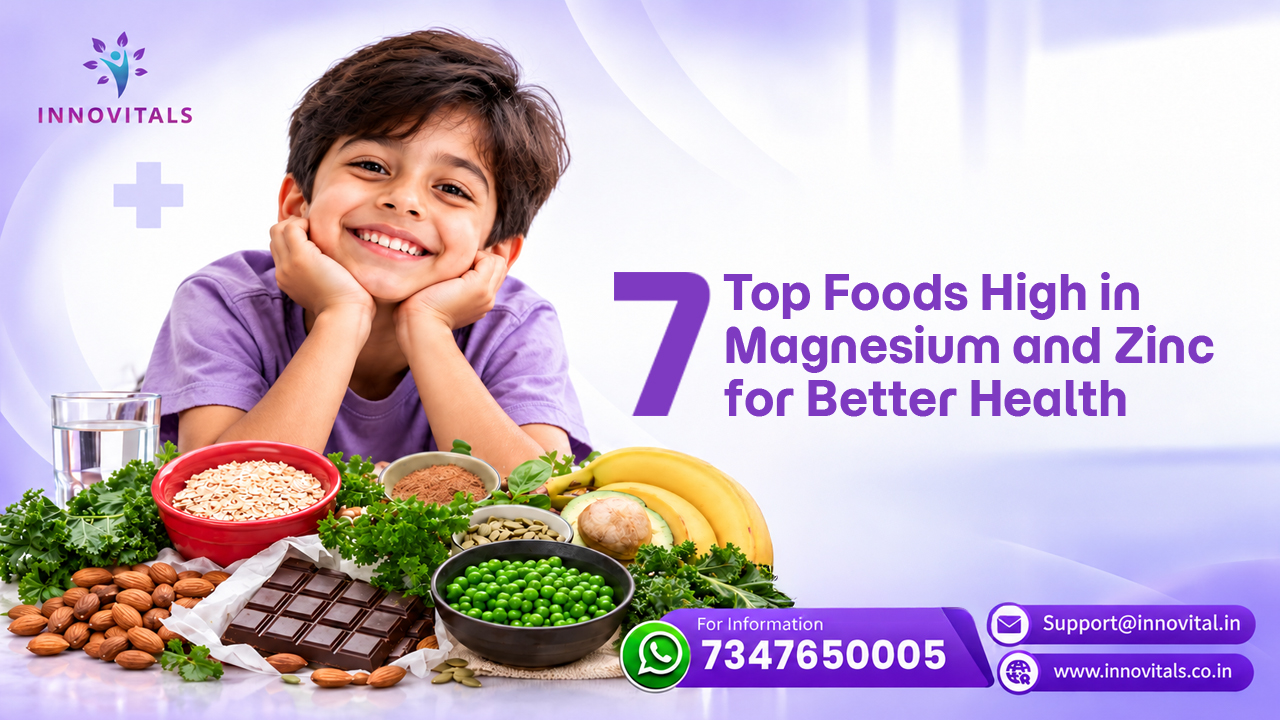
Top 7 Magnesium and Zinc Rich Foods for Better Health

Ever thought about why you feel so exhausted no matter how much rest you get from sleeping at night? Why does it happen that you get constant muscle cramps? Here’s one thing you never thought about: you might be suffering from the deficiency of two important minerals – magnesium and zinc. Believe me; you’re not alone with this problem because about 31% of the world’s population suffers from magnesium deficiency.

But the best thing about the situation is that it’s easy to fix and you might be having those foods at home. In today’s blog, we’ll discuss the list of seven foods that contain magnesium and zinc in abundance and that too without any side effects.

7 Top Foods High in Magnesium and Zinc

There are different kinds of foods rich in both magnesium and zinc that may act like winning the lottery when it comes to nutrition.

Pepitas (Pumpkin Seeds)

These small green seeds are popular for their mineral content. 28 grams or one serving of pumpkin seeds includes around 168 mg of magnesium – that’s 40% of the recommended daily magnesium intake. The same amount of pumpkin seeds includes 2.2mg of zinc which makes up for 20% of the daily zinc intake.

Cashews

Cashews contain 82mg of magnesium per 18-20 grams (a serving of cashews) – that’s 20% of your daily magnesium intake and 1.6 mg of zinc which is 15% of the recommended daily intake.

Spinach

One glass of cooked spinach will provide you with 157 mg magnesium and 1.4 mg of zinc, which is about 37% of the daily value. Spinach is one of the rich magnesium-containing vegetables.

The use of spinach with the addition of garlic and lemon juice will improve its flavor and nutrient absorption. Spinach can be easily included in your everyday diet as they can be added in omelets and pastas.

Dark Chocolate

Dark chocolate that includes more than 70% of cocoa has approximately 64 milligrams of magnesium and 0.9 milligrams of zinc in 28 grams of chocolate. It is important to mention that the quality plays an essential role when selecting the dark chocolate. It is recommended to choose products that have minimum ingredients, i.e. cocoa, cocoa butter and natural sweeteners. If there is extra sugar or flavoring added to dark chocolate, it can reduce the nutritional value.

Quinoa

In 1 cup of cooked quinoa, there are 118 mg of magnesium and 2 mg of zinc. Moreover, quinoa is also an example of complete protein that has all 9 essential amino acids required by the human body.

Quinoa is a highly versatile grain that can be used to prepare a grain bowl, salad, and even a side dish. Mostly people consume quinoa as a porridge for breakfast. In addition to this, preparing quinoa with vegetables and bone broth instead of water makes it more nutritious.

Black Beans

The black bean is packed with high amounts of magnesium that range from 120 milligrams per cup and 1.9 milligrams of zinc. Besides zinc and magnesium, it is rich in fiber and proteins. The black bean can be used in the preparation of dishes like tacos, burritos, salads, soups and vegetable patties. The black bean is considered one of the most versatile forms of protein.

Almonds

The magnesium content in a handful of almonds is 76mg while the zinc content is 0.9mg. They are portable and are ideal for carrying along. They can be eaten as soak almonds or can even be combined with fruits as a healthy snack choice. But they are very calorie-rich so portion control becomes necessary.

What Can Magnesium and Zinc Deficiency Lead To?

Lack of sufficient magnesium and zinc can result in several problems related to physical well-being that can affect your life in a very negative manner.

For instance, if you lack magnesium, you will experience symptoms such as muscle spasms in legs, particularly at night, insomnia and mood changes. If you are lacking in zinc, your immune system becomes compromised and slows down the healing process; additionally, it can cause problems like acne. Lack of both minerals can make you feel lethargic and ill.

Is Magnesium and Zinc Supplementation Right for You?

Indeed, at times it may not be possible to get enough nutrition through food intake only. Taking into account current lifestyle and diet, it is common to have magnesium and zinc deficiencies. As a solution, adding magnesium and zinc supplements will be a nice choice for daily use. Magnesium and zinc are really vital elements to improve immune system, make bones strong and even help with relaxation of the muscles. In case you have been feeling tired, suffering from muscle cramps or having skin problems, this can be the result of magnesium and zinc deficiency.

It is especially vital to take zinc supplements for people with weak immune or digestive systems. It should be noted that like magnesium, not all zinc supplements are created equally. Among different types of zinc, zinc picolinate is the most easily absorbed by the body.

Conclusion

Consuming sufficient amounts of magnesium and zinc does not have to be difficult. One way to do this is to include fruits containing high amounts of nutrients such as pumpkin seeds, spinach, cashews, and dark chocolate in your everyday diet. These foods taste great and are easily included in one’s diet. Supplements are suggested to be included in one’s diet to fill any deficiencies. However, it is important to include the types that easily integrate with one’s body such as magnesium glycinate and zinc picolinate.
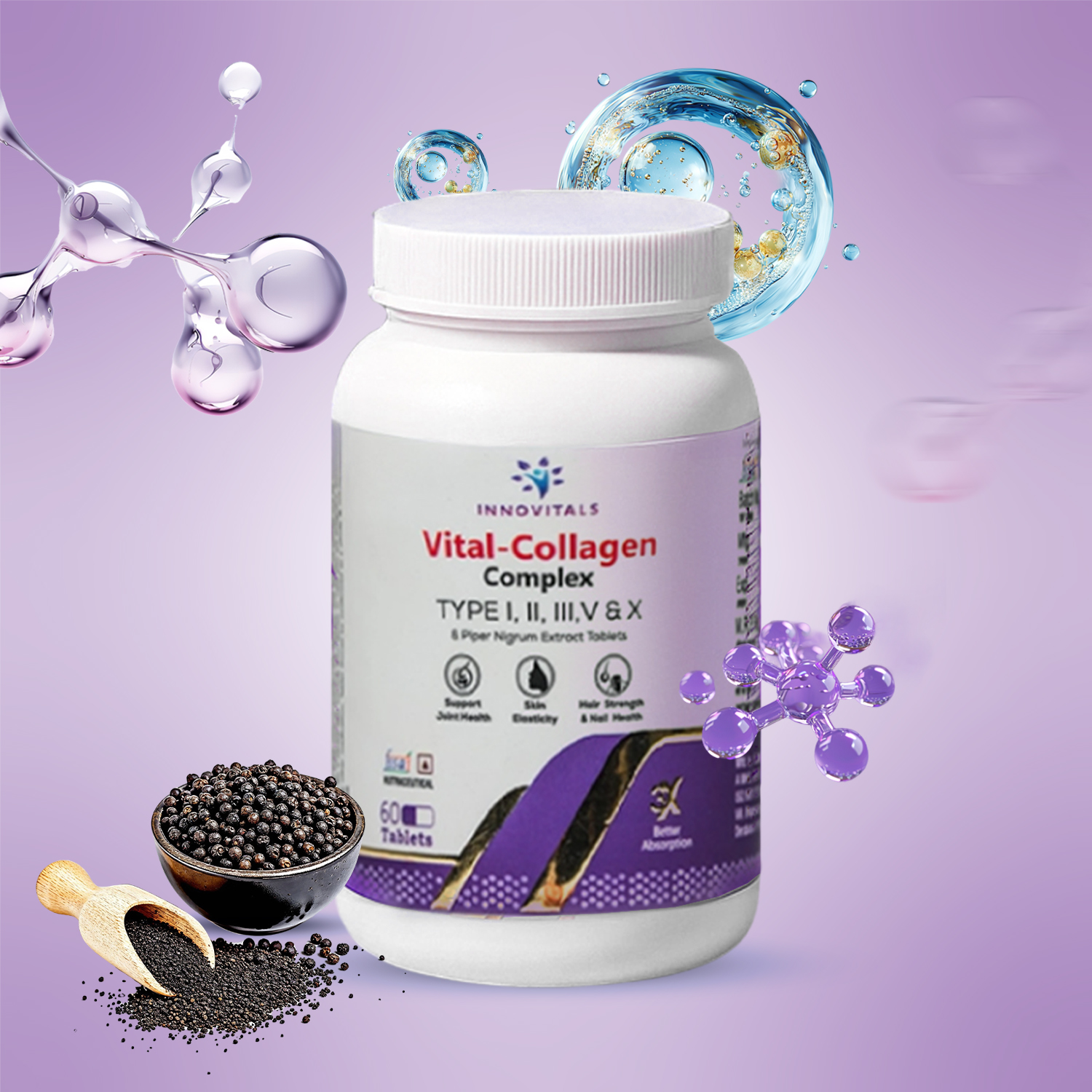
Vital-Collagen
Vital-Collagen

Frequently Asked Questions (FAQs)

What food is highest in magnesium and zinc?

Pumpkin seeds has the most magnesium and zinc content.

Which food has the highest magnesium?

Spinach is one of the most magnesium dense food.

How can I get 100% magnesium daily?

Include magnesium rich foods in your daily diet along with the supplements to fill the nutritional gap.

How can I increase zinc and magnesium in my body naturally?

You can increase magnesium and zinc level in your body naturally by eating those nutrients rich foods and supplements.

Can you get too much magnesium and zinc from food?

It is unlikely to get too much magnesium and zinc from food.

Why am I low in zinc and magnesium?

Low magnesium and zinc may be the result of poor diet, digestive problems, or any medical issues.

What drink has zinc and magnesium?

Fortified smoothies with added nutrients could be the best drink that has zinc and magnesium.

Read Also: Top 7 Benefits of Taking Vitamin C and Zinc Together
Top 7 Benefits of Taking Vitamin C and Zinc Together
You’ve probably noticed it already. The second the weather changes someone around you starts sneezing , popping Vitamin C tablets or mixing fizzy zinc drinks into water like it’s some kind of emergency ritual. And honestly theres a reason people keep circling back to this combo. Modern diets look fine on paper but somehow they end up surprisingly low in micronutrients.

So, according to research published in Advances in Nutrition, zinc deficiency still touches a big portion of the global population, especially people who have limited dietary variety or higher stress levels. Vitamin C intake also doesn’t look that great.

Research published in Nutrients found that low Vitamin C levels show up more often in smokers, people under chronic pressure, and those who live on heavily processed food .

And once your body runs thin on these two, you feel it. Recovery is slower. Colds show up more often. Energy drops. Even your skin starts looking a bit worn out, no matter how pricey the skincare is.

Vitamin C and zinc work differently, sure, but together they’re kind of a solid partnership. One backs up immune defense and collagen formation . The other contributes to cellular repair, hormones, skin health, and immune communication. When you combine them the advantages go beyond “just cold support.”

What is Vitamin C and Why is it Important for the Body?

Vitamin C, also called ascorbic acid, is a water soluble vitamin your body cant make on its own. So you need to take it from food or supplements on a regular basis. If you skip it for long enough , your body starts showing signs pretty fast , like it’s trying to tell you something.

It has a pretty big part in collagen formation. And collagen, is basically the support scaffolding for your skin , joints, gums, blood vessels and even your hair. Vitamin C also acts like an antioxidant, which means it helps your body manage oxidative stress from everyday stuff like pollution, smoking, poor sleep, UV exposure, and processed foods.

But honestly, one of its main jobs is immune support.

As noted in research published in the Nutrients Journal, Vitamin C supports several cellular functions tied to both the innate and adaptive immune systems. In other words, it helps your immune cells work the way they should, without getting thrown off.

Also low Vitamin C levels have been associated with fatigue and weaker immunity. Which kind of explains why people often feel worn out when their diet is poor for weeks on end, or even longer.

What is Zinc and Why is it Important for the Body?

Zinc is a trace mineral, but don’t let the word “trace” kind of fool you. Your body uses zinc for hundreds of enzyme reactions every single day , like it’s no big deal.

It has a role in immune function wound healing testosterone production, skin repair, metabolism, and even taste and smell. Actually one of the classic signs of zinc deficiency is reduced taste sensation , not just “you feel off” but more like, things taste muted.

Based on research that appeared in the Nutrients Journal , zinc is essential for immune cell development and their communication. Without enough zinc, your immune response can get slower and less efficient . Not great, honestly.

Zinc also matters a lot for skin health. Acne-prone skin, delayed healing, and irritated skin barrier function are often linked with lower zinc levels. That’s one reason why zinc supplements show up in many skin-support formulas.

And unlike some nutrients your body stores with ease , zinc levels can fall more quickly during stress, illness, hard workouts, or poor eating habits.

Health Benefits of Vitamin C

Encourages the Production of Collagen

Collagen is essential for the health and strength of your blood vessels, gums, joints, and skin. Low vitamin C levels can impair skin firmness and slow down repair processes since vitamin C directly contributes to the creation of collagen.

Enhances Absorption of Iron

Non-heme iron, which is present in plant-based foods, is absorbed by your body with the aid of vitamin C. Those who are vegans or have low iron levels will find this particularly helpful. Iron absorption can be greatly increased by combining foods high in vitamin C with meals high in iron.

Offers Protection against Antioxidants

The body is exposed to free radicals by commonplace elements including stress, smoking, alcohol, bad food, and pollution. As an antioxidant, vitamin C helps lower oxidative stress and shields cells from harm. 

Could Encourage Healthy Skin Ageing

By promoting collagen stability and shielding the skin from oxidative stress, vitamin C may help lessen outward indications of skin ageing, according to study published in the Journal of Clinical and Aesthetic Dermatology.

Could Shorten the Cold Period

It is well known that vitamin C boosts immunity. According to study published in the Cochrane Database of Systematic Reviews, consistent vitamin C intake may help some people marginally lessen the duration and intensity of common colds, even though it is not a miracle treatment. 

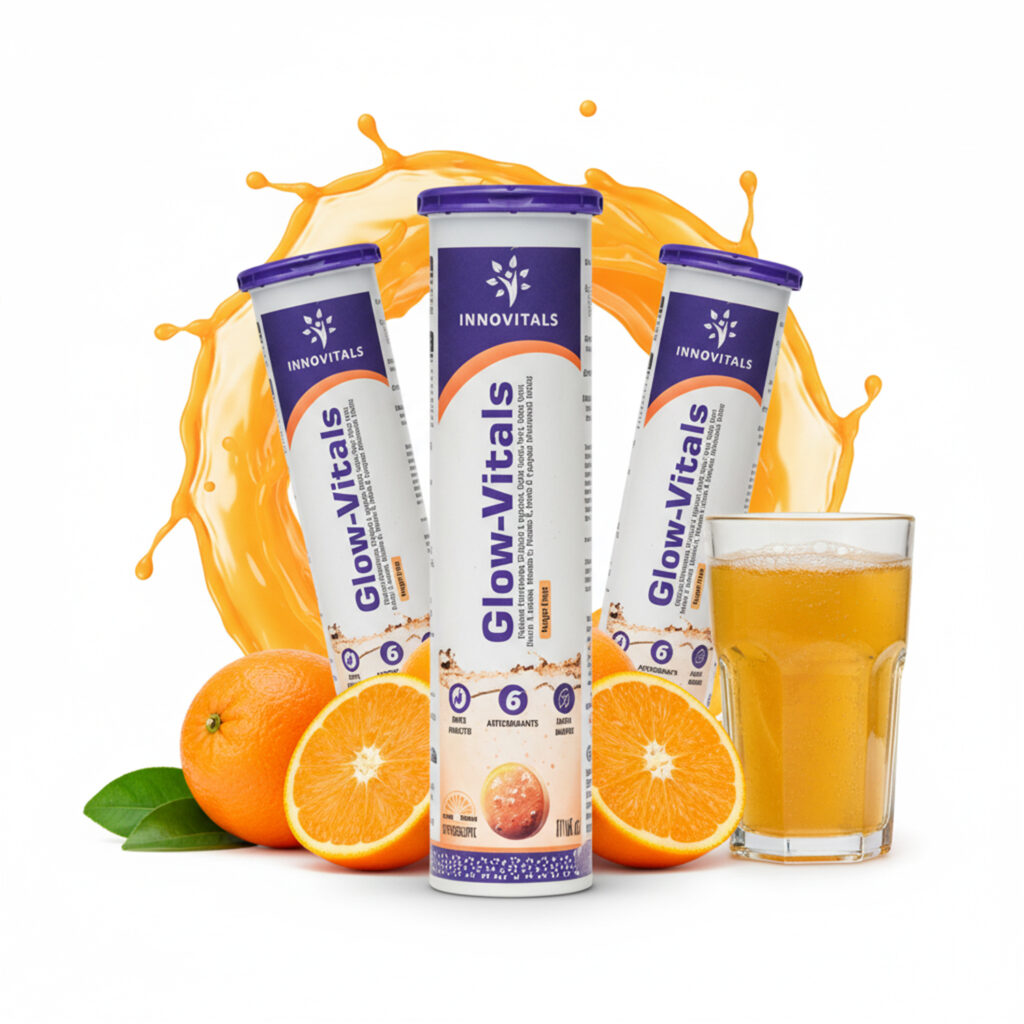
Note: You can use Glow Vitals Glutathione for skin brightening

Glow vital
Glow vital

Health Benefits of Zinc

Promotes the Healing of Wounds

Zinc is essential for both tissue healing and the management of inflammation. For this reason, zinc-based lotions are frequently applied to cuts, healing wounds, and irritated skin.

Assists in Preserving Hormone Health

Particularly in men, zinc is implicated in a number of hormonal processes. It promotes general reproductive health and aids in the generation of testosterone.

Boosts Immunity

Zinc is necessary for the healthy operation of your immune cells. Reduced immunity and elevated oxidative stress have been associated with zinc deficiency. Adequate zinc levels are critical for immunological function, according to research published in the Biofactors Journal. 

Could Aid in Acne Reduction

Because zinc has anti-inflammatory qualities and can suppress germs that cause acne, it may help treat inflammatory acne, according to scientific studies published in Dermatologic Therapy.

Aids in Preventing Oxidative Stress

Zinc helps the body’s antioxidant defence mechanisms in addition to boosting immunity. The body can better handle oxidative stress brought on by environmental and lifestyle factors when it consumes enough zinc. 

7 Benefits of Taking Vitamin C and Zinc Together

Supports Immune Defense Better

That’s why many people just take them together, it seems, Vitamin C kinda helps the immune cells work better, whereas zinc helps with their creation and day-to-day performance. So when they’re taken as a pair, the immune system gets a stronger overall boost, than if you just use one on its own.

Based on a study that was put out in the Annals of Nutrition and Metabolism journal, Vitamin C plus zinc might offer some meaningful help for respiratory issues and discomfort.

Helps Faster Recovery During Illness

Have you ever noticed how, when someone is sick for a stretch, they usually lose appetite and energy too? In those moments the body’s nutrient reserves drop pretty quickly, especially Vitamin C and zinc, which is why people start talking about them during illness.

Supports Skin Repair and Glow

Okay, these minerals are basically skin favorites. Vitamin C supports collagen formation, while zinc is involved in wound recovery, and also helps calm down inflammation. Put them together and your skin may look healthier overall. That’s one reason why a lot of skin supplements use both of them, not collagen or biotin alone, not as the main plan.

Helps Reduce Oxidative Stress

Modern life = oxidative stress, really. Think about poor sleep, pollution, fried foods, alcohol, and general stress, all piled up. Vitamin C works as an antioxidant, while zinc supports antioxidant enzyme activity inside the body. Together, they may help you handle cellular stress more efficiently. 

Supports Better Wound Healing

Whether it’s a cut, acne marks, irritated skin, or even post-workout recovery, the body leans on nutrients to rebuild. Vitamin C helps make collagen, and zinc helps with tissue regeneration. If either one is low, the whole healing process can slow down, just like that.

May Support Energy Levels

Not like caffeine, no, more like “your body runs as it should.” Low Vitamin C levels have been linked to fatigue, and zinc deficiency can interfere with metabolism and appetite. If nutrient levels are supported well, people may feel less drained over time.

Helps During High Stress Periods

Stress seems to drain nutrients faster than most people think. Oxidative stress and inflammation can raise how much the body needs. During stretches of poor sleep, heavy work, intense training, or illness, Vitamin C and zinc support can matter even more, and it can start to feel pretty necessary.

Who May Benefit from Vitamin C and Zinc Support?

Some people may benefit more from using this supplement than others. Among them are:

  • Individuals who eat poorly
  • Smokers
  • The elderly
  • Sportsmen
  • People who are under a lot of stress
  • Individuals who have recently experienced illness
  • People who are frequently exposed to contaminants
  • Individuals who frequently have colds
  • Additionally, vegans and vegetarians may need to monitor their zinc intake more closely. 

Side Effects of Taking a Combination of Vitamin C and Zinc

Moderate amounts are generally well tolerated by most people, but excessive use can have negative effects. Excess zinc can result in:

  • Metallic Taste and Nausea
  • Discomfort in the Stomach
  • Over Time, Copper Imbalance

The following could be brought on by too much vitamin C:

  • Bloating and loose stools
  • Cramps in the Stomach of Sensitive People 

Food Sources of Vitamin C and Zinc

The following are good sources of vitamin C:

  • Amla 
  • Oranges
  • Kiwi 
  • Bell Peppers 
  • Guavas
  • Strawberries
  • Broccoli

The following are good sources of zinc:

  • Seeds from pumpkins
  • Chickpeas
  • Eggs
  • Meat
  • Fish with shells
  • Dairy 
  • Nuts 

Conclusion

Zinc and vitamin C are not nutrients that became popular overnight due to the wellness culture on social media. Your body actually requires them.

One promotes the formation of collagen and aids in cell protection. The other aids in immunological signalling, healing, and repair. When combined, they provide biologically sound support for healing, immunity, skin health, and general resilience.

To be honest, most people are unaware of the extent to which modern lifestyles deplete essential nutrients until they begin to pay attention to their health, vitality, complexion, and recuperation. 

Frequently Asked Questions (FAQs)

What is Vitamin C and zinc good for?

Most people start taking Vitamin C and zinc when everyone around them is coughing or sneezing, but the benefits they see go further than that, a lot further in my opinion. Vitamin C supports your body in making collagen, and that matters for your skin, for the recovery side of things, and even your gums. Zinc plays a role in healing and immunity, plus it helps with hormone balance too, so it feels less random than it sounds.

Can Vitamin C and zinc be taken every day?

It is possible to take zinc and vitamin C daily. Since your body already need certain nutrients on a daily basis, it usually makes more sense to take them regularly rather than sporadically. The secret is to avoid taking supplements like sweets and to stick to reasonable dosages. 

Are there any side effects to taking Vitamin C and zinc?

When people go too far, issues typically arise. Excess zinc can occasionally produce nausea or leave a strange metallic taste in the mouth, while too much vitamin C can upset the stomach. Copper levels in the body can also be disrupted by prolonged excessive zinc ingestion. It usually feels much better on the stomach to take them after eating. 

Do Vitamin C and zinc brighten skin?

They can help the skin look a bit healthier but not in that overnight glass skin way social media kinda sells. Vitamin C helps support collagen and it also works with oxidative stress, the kind that can make skin look worn out or uneven. Zinc is frequently associated with more settled skin, especially if breakouts are tied to inflammation. The most noticeable change usually comes from staying consistent, plus sleep, hydration, and overall diet, kind of all syncing together.

What is the best time to take Vitamin C with zinc?

The majority of people choose to take them after lunch or in the morning. It’s normally safer to take zinc with meals because it can be uncomfortable for some people to take it on an empty stomach. This is not a miraculous timing trick. Remembering to take it on a regular basis is more important than skipping days and then upping the dosage. 

Add to cart

8% OFF ON FIRST ORDER

Catch your discount before the timer runs out

Discount on first buy only