
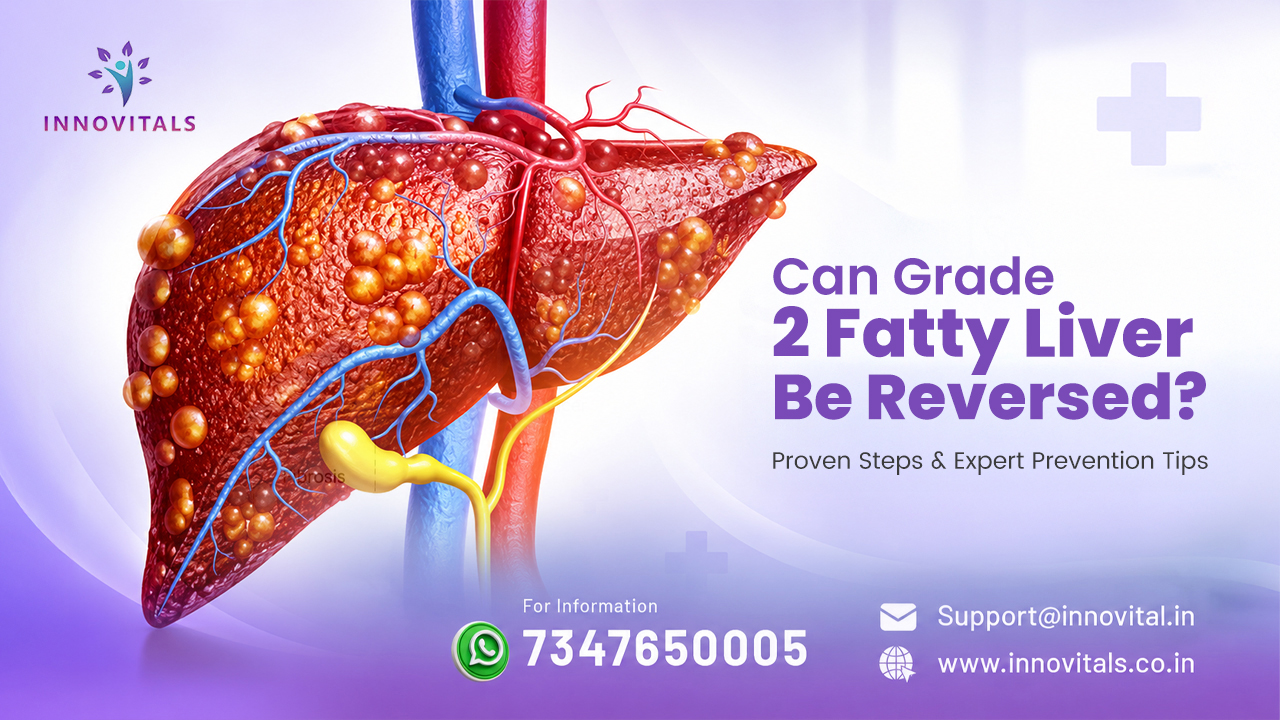
Can Grade 2 Fatty Liver Curable? Expert Insights on Reversal and Prevention

Your thoughts are probably racing if you’ve just seen an ultrasound result that states “Grade 2 Fatty Liver”. You may be wondering if this diagnosis is irreversible, if your liver is already irreparably damaged, or if you will always have to deal with it. Many folks imagine worst-case scenarios, Google late into the night, and quietly panic. Let me begin by stating this calmly and clearly: Although grade 2 fatty liver is a terrible condition, there is still hope. In actuality, it is the point at which significant reversal is still quite feasible for a lot of people. 

One of the most prevalent illnesses of our day is fatty liver disease. According to studies, over 30% of persons worldwide currently suffer from non-alcoholic fatty liver disease. According to several studies, the prevalence in India ranges from 9% to over 50%, depending on the location and lifestyle, with an average of nearly one in three persons.

Therefore, you are by no means alone if you have Grade 2 fatty liver. More significantly, your diagnosis is a warning sign rather than a verdict, and warnings are useful because they allow us to take action. 

What is a Grade 2 Fatty Liver?

On ultrasonography, fatty liver is often rated according to the amount of fat visible in the liver and the clarity of interior structures. Grade 1 is characterized by a slight buildup of fat and frequently no inflammation. Grade 2 denotes a moderate accumulation of fat, where the liver is obviously under metabolic stress and inflammation may begin to show. Grade 3 fat buildup has the highest chance of fibrosis and long-term harm. 

In the middle is grade 2. It indicates that although your liver is having difficulties, it is still able to recover. At this point, there is frequently minimal to no long-term scarring. Imagine your liver as an oil-soaked sponge. Grade 2 indicates that the sponge has been wet more than it should be but hasn’t yet solidified or cracked. You can still lose a lot of that extra fat if you take action right now. 

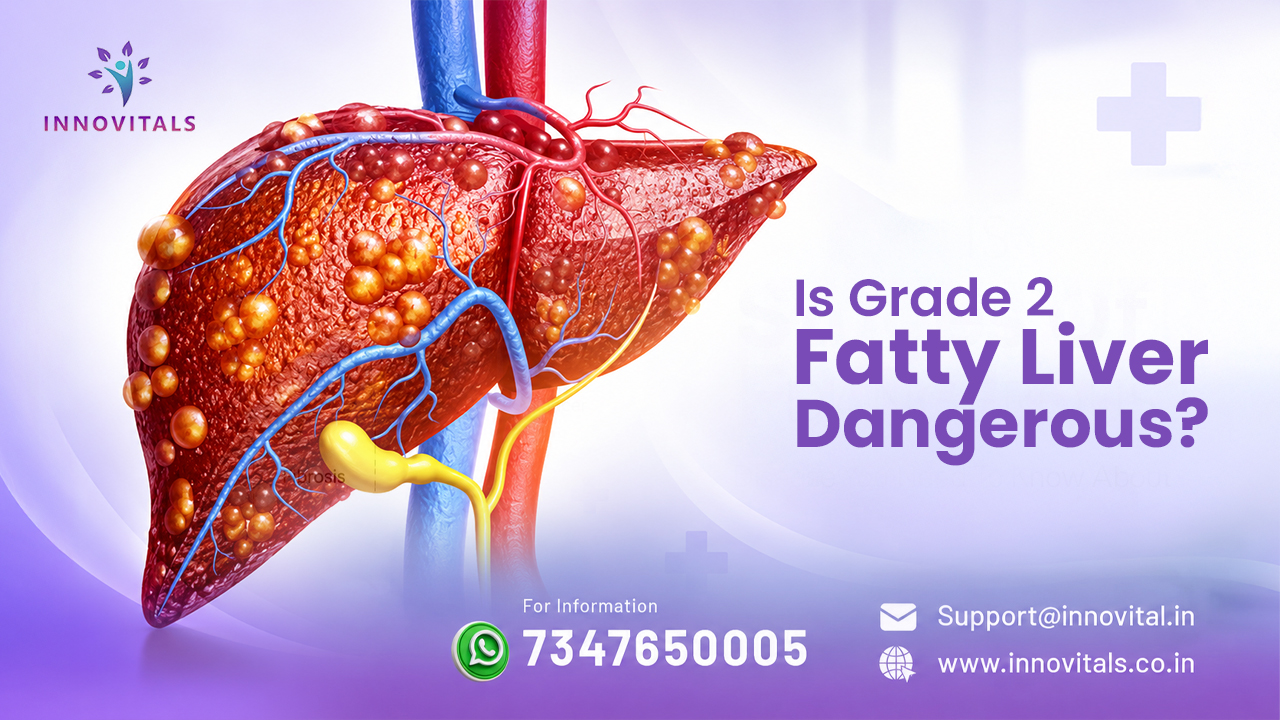
Is Grade 2 Fatty Liver Dangerous?

When someone receives a diagnosis of “Fatty Liver Grade 2” in their report, it can cause them to feel anxious and anxious. Although it is a dangerous condition, most people’s health is not immediately threatened by it. Grade 2 means that the liver has accumulated enough fat, had some moderate inflammation, and experienced some mild stress, but no long-term harm has yet been done. 

The only method to determine how long the liver will remain under stress and move closer to the latter stages of liver injury (such as fibrosis, inflammation, or possibly cirrhosis) at this point is if the fatty liver disease (FLD) grade is neglected over time.

The good news is that there are many chances to potentially reverse Grade 2 FLD with prompt lifestyle modification; thus, now is the ideal moment to seize these chances by changing one’s lifestyle rather than becoming anxious. 

Can Grade 2 Fatty Liver Be Cured Completely?

In actuality, most individuals with Grade 2 fatty liver may fully reverse the illness, returning their liver to its pre-diagnosis state in terms of both appearance and function. Over time, inflammation will subside, liver fat can progressively decrease, and blood tests will return to normal levels. 

A significant improvement will typically be visible on follow-up ultrasounds or FibroScan, and in certain cases, your liver may appear completely normal again! For individuals who were initially diagnosed with fatty liver disease, this may seem like a miracle, but the liver’s capacity to recover from the various mechanisms that led to the illness is truly remarkable! 

After that, I think it’s important to comprehend what “cure” means when discussing fatty liver. Fatty liver is more of a problem that is impacted by your lifestyle (i.e., what you eat) and metabolic health than it is an illness that will go away after treatment. 

Therefore, the amount of fat in your liver may gradually start to return if the contributing factors that may have initially caused your fatty liver do return to pre-existing levels, such as eating poorly, being overweight, having insulin resistance, not exercising regularly, and/or experiencing long-term stress. This is one of the main reasons why most medical professionals do not discuss a long-term cure; instead, they may discuss strategies to manage the illness for many years to come! 

It is better to think of reversal as a process rather than a destination. Many people see noticeable benefits in just a few months, but sustaining those gains calls for continued body maintenance. This does not entail living in dread or under continual constraints. It entails developing habits that help your liver over time, such as eating more whole meals, exercising frequently, and maintaining a healthy weight and blood sugar range.

A diagnosis of Grade 2 fatty liver can therefore be a pivotal moment. It provides an opportunity to change behaviours before major harm happens and to safeguard not only your liver but also your general health for many years to come. 
Liver Vital
Liver Vital

What Does Science Say About Reversal?

It is important to know that there is ample scientific evidence of this; it is not simply beautiful words. There are various clinical studies that show that losing about 7–10% of body weight results in a drastic reduction in fat, inflammation, and, in many cases, helps people with early-stage fibrosis. The liver gets some relief even by reducing a small amount of body weight. It is possible to reduce fat in the liver through reducing body weight by only 3–5%. Greater healing effects are usually seen by the time body weight is reduced by 7–10%.

It is recommended by the American Association for the Study of Liver Diseases and other liver associations to lose weight and change lifestyle as a treatment method for fatty liver disease. The liver is very robust. In most cases, it responds faster than expected when you reduce the burden on it.

What Determines Whether Your Fatty Liver Can Be Fully Reversed?

Everybody’s experience with Grade 2 fatty liver is different. Six months later, two individuals may have the exact same ultrasound report but quite different results. Why? Because reversal is dependent on a few critical elements, the majority of which are under your control.

How Early You Act

Time is important. Your chances of a complete reversal are higher if you react to a Grade 2 diagnosis as soon as possible. Most people still have little to no long-term scarring (fibrosis) at this point. Reversal becomes more difficult and takes longer as fibrosis progresses. Taking action right now creates the ideal healing environment for your liver. 

Weight and Fat Distribution

Visceral abdominal fat can harm the liver; waist circumference has decreased even in the absence of a significant change in LT. A smaller waist circumference may benefit the liver; measurements will demonstrate this.

Blood Sugar Regulation and Insulin Resistance

Insulin resistance and fatty liver are tightly related. The liver is continuously forced to retain more fat if you have diabetes, prediabetes, or elevated fasting insulin levels. The likelihood of reversal is significantly increased by increasing insulin sensitivity through diet, exercise, and weight loss. 

Diet Quality (Not Just Calories)

The liver may respond extremely differently to two diets that have the same number of calories. Diets heavy in fructose, sugar-filled beverages, refined carbohydrates, and highly processed meals actively encourage the buildup of liver fat. However, diets high in complete foods—vegetables, lean protein, healthy fats, and fiber—help the liver burn fat instead of storing it. For this reason, it’s crucial to pay attention to both what and how much you eat.

Consistency Over Perfection

Although they take time to recover, livers react well to consistency. The best long-term outcomes are typically seen by those who make modest, long-term modifications as opposed to drastic, short-term diets. Instead of shock treatment, your liver wants consistent support. 

What Happens If You Ignore Grade 2 Fatty Liver?

Although uncomfortable, this is a crucial inquiry. Ignoring Grade 2 fatty liver can cause inflammation and fat buildup to develop silently. Over time, this could result in:

  • Fibrosis (development of scar tissue)
  • Steatohepatitis without alcohol (NASH/MASH)
  • Cirrhosis in a tiny but noteworthy proportion of individuals
  • Elevated risk of type 2 diabetes and heart disease

The fact that fatty liver is frequently silent is what makes it particularly deadly. Many people don’t feel “mostly fine” until the damage has progressed. Grade 2 is the stage where the alarm is going off, but the home isn’t yet on fire, which is why it’s such an important turning point.

Supplements to Support Reversal of Grade 2 Fatty Liver

During Grade 2 fatty liver, some vitamins can assist liver repair in addition to dietary and lifestyle modifications. A common option is a liver detox supplement that combines milk thistle and dandelion root with N-acetylcysteine (NAC). In order to boost the body’s capacity to detoxify itself and lessen oxidative stress—the harm brought on by free radical activity—NAC is an agent that aids in the production of glutathione, the most potent form of antioxidant protection for the liver.

Silymarin, another name for milk thistle, has a long history of usage as a liver-protective drug that promotes hepatic cell regeneration. Dandelion root has long been used to promote healthy liver function and aid in the production of bile. 

Finally,

A diagnosis of Grade 2 Fatty Liver Disease is an early warning sign and a chance to make some changes, not a death sentence. Although your liver is now under stress, it can still recover if you take prompt, efficient action to regularly alter your lifestyle choices under the right advice from a competent professional. 

It won’t work to find quick treatments to get your body healthy. However, you can have a very significant impact on your health if you gradually improve your body weight, metabolic health, nutrition, and exercise habits. Being flawless in every aspect is not as crucial as being consistent. You can give your liver the best chance of healing by taking action now, which will also offer you the best chance of maintaining your general health for many years to come! 

Read Also: Fatty Liver Disease: Causes, Symptoms, Diagnosis & Treatment

Frequently Asked Questions (FAQs)

Can grade 2 fatty liver become normal?

Indeed, at the Grade 1–Grade 2 (mild-moderate) fatty liver stage, the liver can frequently recover or return to normal. The liver can renew itself quite well. Many patients find considerable improvements in their fatty liver, and in some cases, a total reversal of the condition, when they make a persistent long-term effort to reduce around 5–10% of their body weight, eat a balanced diet, and continue to be physically active. 

How many days does it take to reverse a Grade 2 fatty liver?

Before you can reverse a fatty liver caused by obesity (Grade 2), you must adopt a healthy lifestyle for approximately three to six months. Changing your food habits, increasing your physical activity, and starting to lose weight are all examples of implementing a healthy lifestyle. Although you can detect changes in your liver earlier, real changes don’t occur until you have lost 5% to 10% of your body weight, at which point your fatty liver will drastically reduce. 

What is the best exercise for fatty liver grade 2?

The optimum kind of exercise for grade 2 fatty liver is 150 to 200 minutes per week of moderate-intensity aerobic activity (such as brisk walking, cycling, or swimming) combined with two to three times a week of strength training to improve your body’s ability to use insulin and increase fat burning. Consider using Pilates or yoga to assist lower stress levels. Before starting any kind of workout regimen, always get medical approval, and make an effort to select activities that you will be able to stick with over time. 

Is grade 2 fatty liver serious?

A medium amount of fat in the liver is known as grade 2 fatty liver. It frequently has to do with inflammation and the early formation of scar tissue. Although a fatty liver is typically not fatal, it is undoubtedly an indication that something is wrong with your body. You may frequently reverse fatty liver if you make lifestyle changes like altering your diet, exercising frequently, and losing five to ten percent of your body weight. Severe liver damage may result if you do nothing about this problem, such as going long periods of time without addressing it. 

What not to eat in fatty liver grade 2?

Alcohol and foods high in unhealthy fats should be avoided since they increase blood sugar and encourage weight gain, which puts additional strain on the liver.

Read Also: How to Detox Your Liver Naturally: Tips & Healthy Habits
Grade 2 Fatty Liver: Symptoms, Causes, Treatment & Recovery Guide

Approximately 1 in 4 persons worldwide suffer from fatty liver disease; however, the majority are unaware of it. It simply builds up until a doctor notices it on an ultrasound or during routine blood work; it doesn’t proclaim itself with pain or other evident symptoms. If you have been diagnosed with grade 2 fatty liver, your liver cells contain a moderate quantity of fat. 

Currently, your liver is still functioning, but it is under strain because of extra fat. If no action is taken in this regard, gradually, inflammation and damage to the liver may begin. The good news is that this situation has been identified early enough so that you can take action. By making small, appreciable changes in your eating, physical activity, and other health-related activities, your liver will recover.

What Is Grade 2 Fatty Liver?

A substantial quantity of fat has built up inside the liver cells in cases of grade 2 fatty liver. Even while fat accumulation is now readily visible on imaging tests like ultrasonography, many people’s livers are still able to operate normally. However, if treatment is not received, it may cause inflammation and stress on the liver cells, which may eventually lead to more severe stages of liver disease. According to research, those with mild fatty liver are more likely to develop more serious liver diseases if they don’t make lifestyle adjustments right away. To maintain liver health and stop additional issues, early detection and treatment are crucial. 

Is Grade 2 Fatty Liver Dangerous?

Indeed. It’s important to treat moderate fatty liver. Approximately 25–30% of persons globally suffer from fatty liver disease, and 20% of those who are diagnosed have moderate or grade 2 fat accumulation. Since fatty liver rarely produces symptoms, it is simple to overlook.

Here’s the issue, though. Life-threatening conditions can arise from moderate fatty liver. If left untreated, it may eventually result in cirrhosis, scarring, and inflammation. The good news is that you can actually reverse the illness at this point by making lifestyle adjustments, including eating better, exercising frequently, and losing a small amount of weight. 

Consider grade 2 to be a red flag. Your liver is alerting you to the need for assistance, and there is still time to address it. Just a few easy adjustments can make a big difference. Cut back on junk food and sugary drinks. Increase your intake of fruits and vegetables and go for a daily 30-minute walk. A mere 5–10% reduction in body weight can have a significant impact.

Taking action right now is crucial. To let your doctor know whether things are getting better, schedule routine checks. Don’t ignore it, but also try not to freak out. The most important thing is that you are identifying this early enough to take action. 

Symptoms of Grade 2 Fatty Liver

Because most patients with grade 2 fatty liver have no symptoms, the condition is referred to by medical professionals as a “silent disease.” But when symptoms do manifest, keep an eye out for these:

Typical signs and symptoms include:

  • Persistent fatigue or weakness
  • Your liver is located on the upper right side of your abdomen, which may cause discomfort or a dull ache.
  • Having a full or weighty stomach
  • Mild weight gain or difficulty dropping pounds

More severe warning indicators:

  • Jaundice, or yellowing of the skin and eyes
  • Swelling in your legs and abdomen
  • Confusion or trouble focusing

What Causes Grade 2 Fatty Liver?

According to research, one in four people has fatty liver, which is caused by improper fat processing by the liver. Among the primary factors are:

Being Overweight or Obese: Your liver is under a lot of stress when you are overweight. Your liver has to work harder when your body has excess fat.

Insulin resistance, also known as type 2 diabetes: If you have type 2 diabetes, your body is unable to use insulin as it should, which eventually causes fat to accumulate.

Bad diet: Consuming excessive amounts of processed foods, sweets, and unhealthy fats might cause your liver to become overly fatty. 

Lack of activity: A sedentary lifestyle exacerbates the issue and leads to the accumulation of fat on the liver if you don’t exercise or move about much during the day.

High cholesterol or triglycerides: High triglycerides or cholesterol indicate that your blood already contains too much fat, which is then stored in your liver.

Excessive alcohol consumption: Excessive alcohol consumption overwhelms your liver’s capacity to handle alcohol.

Certain medications: Fat accumulation may result from certain medications, such as steroids or cancer therapies.

Family history: Some people may be more susceptible to fatty liver due to genetics. 

Diet and Lifestyle Changes That Help

One of the best strategies to cure grade 2 fatty liver is to make dietary and lifestyle modifications. What works is as follows:

Foods to consume more of:

  • Fresh produce
  • Brown rice, oats, and whole wheat bread are examples of whole grains.
  • Fish, poultry, beans, and lentils are examples of lean protein.
  • Nuts, avocados, and olive oil are good sources of fat.
  • Omega-3 fatty acids are found in fatty fish like salmon.

Foods to restrict or stay away from:

  • Sodas and sugary beverages
  • Pasta, white rice, and white bread
  • Processed and fried foods
  • Processed meats and red meat
  • Foods with added sugar flavours
  • Too much salt
Liver Vital
Liver Vital

Exercises that help:

Your liver’s fat content can really be decreased with regular aerobic activity. You don’t have to work out hard. Simple exercises are effective.

  • Every day, go for a 30-minute brisk stroll.
  • Cycling or swimming
  • Twice a week, strength training

According to studies, liver fat and inflammation can be considerably reduced by decreasing merely 5–10% of your body weight.

Some significant adjustments you ought to make are:

  • Sleep for seven to eight hours every night.
  • Use deep breathing, yoga, or meditation to reduce stress.
  • Reduce or give up alcohol entirely
  • If you have high cholesterol and diabetes, manage them. 

How Can Nutritional Support Help?

Although nutrition and exercise are the cornerstones of liver health, there are certain vitamins and supplements that, when selected and taken appropriately, may improve liver health. The potential of some components to assist the liver and lessen fat buildup has been investigated. Among these is N-Acetyl Cysteine (NAC), which aids in the production of glutathione, the body’s most potent antioxidant. After three months, NAC supplementation dramatically reduced liver enzyme levels in patients with fatty liver disease, according to research.

Next, silymarin, a substance that shields liver cells, is found in milk thistle. Silymarin decreased liver fat, according to a comprehensive analysis of 26 studies with 2375 individuals. 

Some research indicates that betaine, which is abundant in beetroot extract, aids in the reduction of liver fat. A study on PubMed Central supports this finding as well.

By boosting bile production, which aids the liver in eliminating waste and improving fat digestion, dandelion extract also promotes liver detoxification.

Look for a liver detox product that incorporates these components. All of these professionally validated components are included in Innovital’s liver vitals supplement to promote the health of your liver. 

Omega-3 Fatty Acids: In individuals with fatty liver disease, omega-3 supplementation dramatically decreased liver fat, according to a study published in PubMed Central. A daily intake of 1000–3000 mg of EPA and DHA is advised. Omega-3 helps your liver burn down fat more efficiently and lowers inflammation.

Supplements help maintain the health of your liver, but they should never take the place of medications or good behaviours. They are most effective when combined with diet, exercise, and medications. 

Can Grade 2 Fatty Liver Be Reversed?

In most circumstances, it is possible to reverse grade 2 fatty liver. With the correct diet and lifestyle adjustments, it can be reversed. When you provide your liver with the proper care, it has an amazing capacity to heal itself. 

How long does it take?

Depending on the individual and the severity of the ailment, the timeline may change. With the right care, it can take three to four months to reverse. 

What does “reversal” mean here?

Liver fat significantly drops

Liver enzyme levels return to normal.

Reduced inflammation

Improvements in liver function

Success is dependent upon:

How much weight you shed (even 5–10% is effective)

How regularly you adhere to your diet

Frequent exercise

Taking care of other ailments like diabetes

Steer clear of booze

Getting adequate rest 

Read more details: Grade 1 Fatty Liver – Causes, Symptoms, and Best Treatment Tips

Finally,

A warning sign to take control of your health is grade 2 fatty liver. If you give your liver the proper support, it is the only organ that can heal itself. Extreme dieting or overnight alterations are not necessary. Consistency and dedication to little, long-lasting habits that accumulate over time are what you need.

Today, start with one thing. Perhaps it’s giving up sugar-filled beverages. After supper, it might be a 20-minute stroll. Just get started, whatever it is. Even a 5–10% weight loss can reverse liver fat, and significant benefits usually take three to four months to manifest.

Every day, your liver puts forth a lot of effort on your behalf. It’s time to repay the favour now. You have all you need to make things better. 

Read Also: Fatty Liver Disease: Causes, Symptoms, Diagnosis & Treatment

Frequently Asked Questions (FAQs)

Can a grade 2 fatty liver be cured?

Although grade 2 fatty liver is a major concern, it can be controlled or even reversed with the right drugs, supplements, and dietary and lifestyle modifications. 

Can fatty liver cause ankle swelling?

Yes. Fatty liver can accumulate fluid in the body in advanced stages, which could cause swelling in any area of the body. 

What is the life expectancy of a person with stage 2 fatty liver disease?

The effectiveness of the condition’s management determines life expectancy. Many people maintain their regular lives while making the necessary lifestyle adjustments. 

Read more details: How to Manage Fatty Liver Grade 2: Symptoms, Medications, and Lifestyle Tips

Can your liver recover from stage 2?

If assistance is given, the liver is the only organ that can heal itself. It may not be able to fully recover, but scarring and inflammation can be healed. 

What medication is used for Grade 2 fatty liver disease?

For grade 2 fatty liver, there isn’t a specific medication. Treatments often concentrate on managing obesity, diabetes, and routine general health monitoring.

How long can you live with fatty liver grade 2?

Grade 2 fatty liver does not automatically mean a shortened lifespan. With healthy lifestyle changes and proper medical monitoring, many people can manage it well and prevent progression.

Can I eat rice in fatty liver grade 2?

Yes. You can eat rice in moderation. Prefer smaller portions and combine rice with vegetables, dal, lean protein, and other high-fiber foods. Brown or minimally processed rice can be a good option.

How can I reduce my grade 2 fatty liver naturally?

Focus on gradual weight loss if overweight, regular exercise, a balanced high-fiber diet, limiting sugar and processed foods, avoiding excessive alcohol, and managing blood sugar and cholesterol.

Is paneer good for fatty liver grade 2?

Paneer can be included in moderation. Choose smaller portions and preferably lower-fat paneer, while prioritizing a balanced diet rich in vegetables, whole grains, and lean protein.

Can I eat rice in fatty liver grade 2?

Yes. Rice does not necessarily need to be completely avoided. Keep portions controlled and avoid pairing large amounts of rice with sugary, fried, or highly processed foods.

Is medicine required for fatty liver grade 2?

Not always. Treatment depends on the underlying cause, liver inflammation, fibrosis risk, weight, diabetes, cholesterol, and other health factors. A doctor can determine whether medication is appropriate.

How serious is stage 2 liver?

If by “stage 2” you mean grade 2 fatty liver, it indicates a moderate amount of fat in the liver and should be taken seriously. It is often manageable, but untreated fatty liver can progress to inflammation and fibrosis.

Read Also: How to Detox Your Liver Naturally: Tips & Healthy Habits
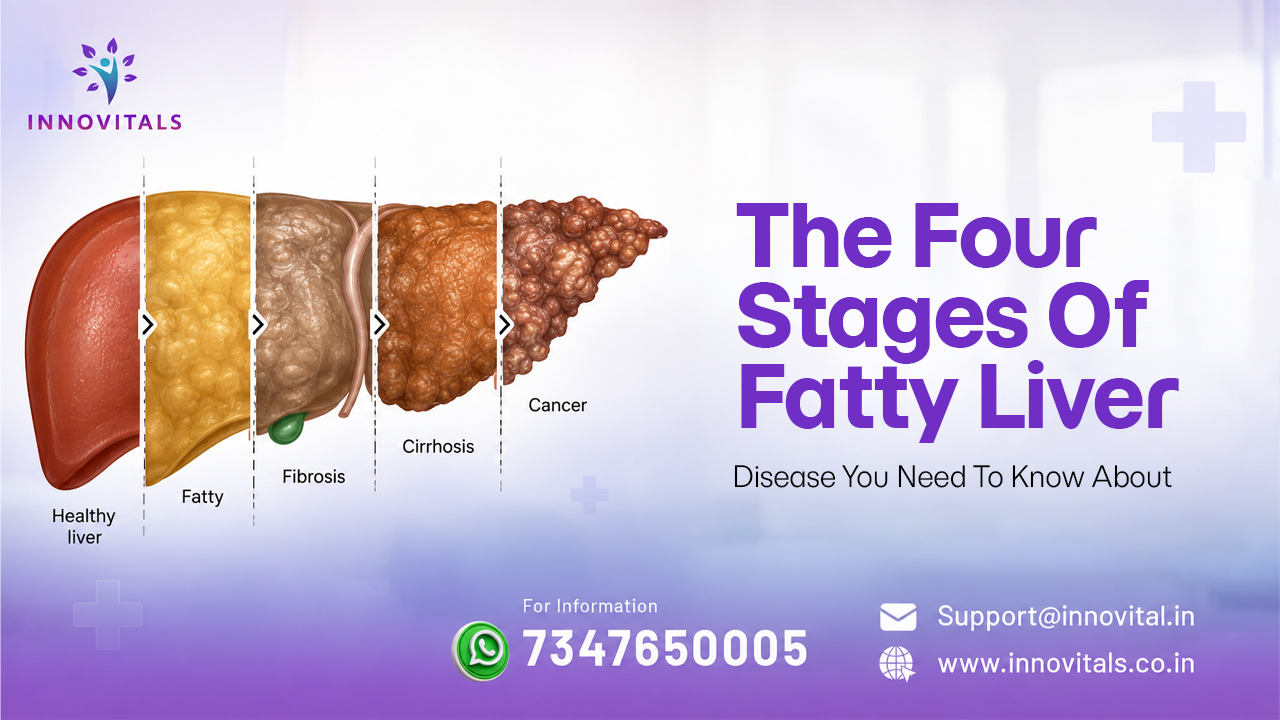
 

Four Stages Of Fatty Liver Disease- From Diagnosis to Recovery Explained

You keep track of calories. You walk. However, your liver is still having trouble. You’ve switched from soda to sparkling water. You even enrolled in a Zumba course. Nevertheless, increased liver enzymes were seen in your most recent blood test. What does “fatty liver,” which your doctor mentioned in passing, actually mean? In actuality, a large number of health-conscious individuals are unaware that they have fatty liver disease. Additionally, symptoms don’t always appear until the harm is too severe.

Fatty liver actually acts as a silent visitor at your dinner table, responding to your eating habits, stress levels, sleep patterns, and routines. Let’s examine the four stages of fatty liver disease, their implications for your health, and how you may react both quickly and strategically. 

What Is Fatty Liver Disease?

When fat accumulates inside the liver cells beyond what the organ can safely handle, it is known as fatty liver disease. Although a modest amount of fat in the liver is perfectly normal, issues arise when fat makes up more than 5–10% of the liver’s overall weight. The liver can no longer perform its regular duties as it can when it is fully healthy (or entirely damaged). 

Two main forms of fatty liver disease are brought on by alcohol use:

  • AFLD 
  • NAFLD

Approximately 25% of people worldwide suffer from NAFLD. Fatty liver disease is a multifaceted ailment that many individuals are unaware of. Grades and stages are two distinct but related systems that clinicians use to assess this chronic illness.

Grades vs. Stages of Fatty Liver Disease – What’s the Difference?

This is one of the most misunderstood elements of fatty liver disease, and it makes perfect sense that some general practitioners use the phrases interchangeably when they shouldn’t. Although these names are frequently used synonymously, they have different meanings.

Grades: Grades 1 through 3 indicate the amount of fat that has built up in the liver.

Stages: Stages 1 through 4 monitor the disease’s general course, including scarring, liver cell destruction, and inflammation.

In short, staging assesses the severity of the condition, while grading assesses the amount of fat. 

Stage 1 – Simple Fatty Liver

What Is Simple Fatty Liver (Steatosis)?

The initial and most controllable stage of fatty liver disease is simple fatty liver, also known as steatosis. Fat has started to build up in the liver cells at this stage, but there isn’t yet any noticeable inflammation or damage to the liver cells. Imagine it as the body raising a yellow flag, alerting you to the need for change. 

Early Signs and Symptoms of Steatosis

This is the difficult part. The majority of persons with uncomplicated fatty liver have no problems at all. It frequently stays undiagnosed for years since there are rarely any overt symptoms, according to a study published in the National Library of Medicine. Some people may have nonspecific upper right abdominal discomfort or slight weariness, although these are simple to ignore. 

Causes of Steatosis

Simple fatty liver is most frequently caused by poor eating habits (especially high intake of sugar and processed carbs), excessive alcohol use, fast weight loss, and certain drugs like tamoxifen and corticosteroids. 

How Steatosis Develops

The liver starts accumulating excess fat in liver cells when it gets more fat than it can absorb, whether from dietary fat, free fatty acids released from body fat, or a process known as de novo lipogenesis, in which the body turns extra carbs into fat. This buildup accumulates over time. 

Risk Factors of Steatosis

Obesity, type 2 diabetes, insulin resistance, high triglycerides, metabolic syndrome, and inactivity are the main risk factors. Additionally, some people are more likely than others to retain fat in their livers due to genetics. 

Treatment for Stage 1 – Simple Fatty Liver

The good news is that basic fatty liver can be treated in most cases. 

Lifestyle Changes (Diet and Exercise)

A study that was published in the British Medical Journal of Open Gastroenterology found that liver fat can be considerably reduced by decreasing just 5–10% of body weight. It is generally advised to have a diet high in whole grains, lean protein, healthy fats, and cruciferous vegetables. Reducing alcohol, refined carbohydrates, and added sugars has a quantifiable impact. It has been demonstrated that aerobic exercise, even 30 minutes of brisk walking five days a week, can lower liver fat without affecting weight loss. 

Medications and Supplements

As of right now, the FDA has not approved any drugs to treat uncomplicated steatosis. However, there are several substances that could assist in enhancing the general health of the liver at this stage (basic fatty liver). These supplements could include vitamin E, omega-3 fatty acids, or milk thistle (silymarin). It is crucial that you see your doctor before beginning any kind of supplement regimen. 

Read more details: Grade 1 Fatty Liver – Causes, Symptoms, and Best Treatment Tips

Stage 2- Non-Alcoholic Steatohepatitis (NASH)

What Is Non-Alcoholic Steatohepatitis (NASH)?

Non-alcoholic steatohepatitis (NASH), the second stage of NAFLD, is more severe. The accumulating fat from stage one has caused the liver’s cells to be damaged and inflamed. Although not everyone with mild steatosis will develop NASH, there are dire repercussions if they do. Inflammation is produced by oxidative stress and the immune system’s reaction to the accumulated extra fat; this persistent inflammation damages and kills the cells in the liver. If the persistent inflammation is not reduced, the liver may develop scar tissue. 

Signs And Symptoms of NASH

Ongoing weariness is the primary symptom; however, many people will have minor indications and symptoms. The right upper part of the abdomen may also cause some discomfort or pain for certain people. Some will feel weak, lose weight without apparent reason, and/or have no energy. A liver biopsy is nearly always necessary to provide a conclusive diagnosis, even tho blood tests will frequently reveal an increase in liver enzymes. 

Risk Factors for NASH

Type II diabetes, being overweight (≥30 waist), high cholesterol, polycystic ovarian syndrome (PCOS), sleep apnoea, and hypothyroidism are risk factors for NAFLD to develop into NASH. 

Treatment for Stage 2 – NASH

Lifestyle Modifications

Changing one’s lifestyle is the cornerstone of treating NASH. It has been demonstrated that NASH can be resolved in a significant proportion of patients with a 7–10% reduction in body weight. At this point, dietary changes, regular exercise, and quitting alcohol are non-negotiable. 

Medications for Inflammation

New FDA-approved treatments for NASH have emerged in recent years. In 2024, Resmetirom, also known by the brand name Rezdiffra, was approved as the first drug for NASH with liver fibrosis. Patients with non-diabetic NASH have also benefited from vitamin E. The best course of action for your particular circumstances will be guided by your hepatologist. 

Regular Monitoring and Checkups

Regular liver function tests, ultrasounds, and even FibroScan testing become crucial at this point. Early detection of any fibrosis advancement enables quicker treatments. 

Read more details: How to Manage Fatty Liver Grade 2: Symptoms, Medications, and Lifestyle Tips

Stage 3 – Liver Fibrosis

What Is Liver Fibrosis?

The third stage, and a major escalation, is fibrosis. The liver has now developed scar tissue as a result of the continuous inflammation caused by NASH.

The liver tries to heal itself by making collagen when its cells are continually harmed. This collagen accumulates as scar tissue, disrupting the natural architecture of the liver and starting to replace healthy liver tissue. 

Symptoms and Progression of Fibrosis 

At this point, symptoms become more apparent. Jaundice (yellowing of the skin or eyes), fatigue, stomach swelling, and easy bruising are possible symptoms. The stages of fibrosis range from F1 (moderate) to F4 (overlapping with cirrhosis). 

Risk Factors for Fibrosis

Fibrosis is accelerated by advanced age, diabetes, obesity, continued alcohol consumption, and uncontrolled NASH. 

Treatment for Stage 3 – Liver Fibrosis

Lifestyle Changes to Reverse Fibrosis

Surprisingly, fibrosis that is early to moderate can still be reversed. Exercise, dietary modifications, and weight loss are first-line treatments. Research indicates that a consistent change in lifestyle can result in a quantifiable decrease in fibrosis scores. 

Medications for Fibrosis Management

Researchers are currently investigating antifibrotic medicines in addition to NASH treatments. Certain supplements are being investigated in therapeutic settings, especially those having antioxidant and anti-inflammatory qualities. 

Liver Health Monitoring

Nowadays, a popular non-invasive method for assessing liver stiffness and tracking the development or improvement of fibrosis over time is called FibroScan (transient elastography). 

Stage 4 – Cirrhosis

What Is Cirrhosis?

The final and most severe stage of liver disease progression is thot to be cirrhosis. When the liver reaches the cirrhosis stage, it can no longer carry out basic tasks because the liver’s scarring has made it impossible for it to function properly. Unlike the earlier phases, cirrhosis is usually irreversible.

If the fibrosis damage persists permanently, the liver will be so damaged that it will not be able to create clotting factors, filter out pollutants from your body, or metabolize nutrients for your body. 

Symptoms and Complications for Cirrhosis

Ascites (fluid accumulation in the stomach region), portal hypertension (high blood pressure in the veins supplying blood to the liver), and an increased risk of hepatocellular cancer due to cirrhosis of the liver are common signs and complications of cirrhosis. 

Risk Factors for Cirrhosis

Cirrhosis risk factors include long-term NASH, high alcohol consumption, viral hepatitis, autoimmune liver disease, and genetic disorders. 

Treatment for Stage 4 – Cirrhosis

Management of Complications

At this point, managing issues is more important than repairing damage. Common treatments include lactulose for hepatic encephalopathy, beta-blockers for portal hypertension, and diuretics for ascites. 

Lifestyle Modifications to Prevent Further Damage

Even at this point, further degeneration can be slowed by abstaining from alcohol, eating a diet that is good for the liver, and avoiding hepatotoxic drugs. 

Liver Transplant Consideration

A liver transplant might be the only practical long-term solution for people with decompensated cirrhosis, in which the liver is unable to maintain fundamental function. Eligibility for a transplant is determined by general health, the source of the illness, and alcohol abstinence. 

How Fatty Liver Progresses from Steatosis to Cirrhosis?

There is no predetermined timeframe for the transition from steatosis to cirrhosis. While some people go through all four stages in ten years, others remain in the steatosis stage forever. Whether the underlying causes—poor diet, insulin resistance, obesity, and alcohol—are being addressed has a significant impact on the rate of development. For this reason, early intervention is crucial. 

Preventing the Progression of Fatty Liver Disease

Early Detection and Monitoring

Elevated enzymes can be detected by routine liver function testing during yearly examinations before symptoms manifest. Ask your doctor about ultrasonography screening if you have any of the recognized risk factors. It all changes if you catch this in the first stage. 

Lifestyle Modifications

There isn’t a magic bullet, but there is an incredibly powerful toolkit that includes whole-food eating, regular exercise, stress reduction, restful sleep, and quitting alcohol. These are the most evidence-based solutions accessible for all four stages; they are not merely suggestions. 

Liver Vital
Liver Vital

Finally,

Most individuals are unaware that fatty liver disease is much more treatable, but only if it is detected early and treated seriously. There is a real window of opportunity for reversal during the first two stages. Significant improvement is achievable even in fibrosis. Knowing where you fall on this spectrum is not only helpful, but it may even change your life. It’s a good idea to get your liver enzymes checked if you haven’t had one recently. 

Read also: How to Detox Your Liver Naturally: Tips & Healthy Habits
Frequently Asked Questions (FAQs)

How many stages of fatty liver are there?

The four stages of fatty liver disease include cirrhosis, fibrosis, inflammation, and simple fat accumulation. Every step gets increasingly more severe than the previous one. 

What is the difference between simple fatty liver and NASH?

Excess fat in the liver without any injury is known as simple fatty liver. NASH is even more problematic since it indicates that fat has caused inflammation and is actively damaging liver cells. 

What happens in the inflammation stage of fatty liver?

Excess fat in the liver sets off immunological reactions during the inflammatory stage of fatty liver, sometimes referred to as steatohepatitis (NASH or ASH). This causes inflammation, oedema, and harm to the liver cells. If untreated, this inflammation results in fibrosis, or scarring, which may potentially cause permanent liver damage. Fatigue, jaundice, and upper right abdomen pain are possible symptoms. 

How do you know what stage of fatty liver you have?

Regular blood testing is frequently used to detect fatty liver stages, which can identify liver issues early on when there may not have been any symptoms. Further tests, such as imaging or, in certain situations, a liver biopsy, are needed to assess the precise stage of liver disease once the doctor has determined that the patient has increased liver enzymes. 

What tests determine the stage of fatty liver?

Numerous liver diagnostics, such as blood tests, ultrasounds, magnetic resonance imaging (MRI), and FibroScan, can identify the stage of fatty liver. When combined, these tests can assist in identifying the relative level of fatty liver damage, even tho a liver biopsy is the most precise method for determining the precise stage of fatty liver disease.

How to reduce fatty liver naturally?

Focus on gradual weight loss if needed, regular exercise, a balanced diet, limiting alcohol and added sugars, and managing conditions such as diabetes and high cholesterol.

How is fatty liver disease treated?

Treatment depends on the cause and severity. Lifestyle changes are often the foundation, while some people may need medicines or treatment for related conditions under medical supervision.

What is the recommended diet for people with fatty liver disease?

Choose vegetables, fruits, whole grains, legumes, lean protein, nuts, seeds, and healthy fats. Limit sugary drinks, refined carbohydrates, highly processed foods, and excess saturated fat.

What is the best liver detox for fatty liver disease?

There is no proven liver detox or cleanse for fatty liver disease. A healthy diet, regular physical activity, weight management, and avoiding excess alcohol are more effective approaches.

What is the best breakfast for fatty liver?

A balanced breakfast such as oatmeal with berries and nuts, or eggs with vegetables and whole-grain toast, can provide fiber, protein, and healthy fats.

Can fatty liver be 100% reversed?

In many people, especially when identified early, fatty liver can improve significantly and may resolve with sustained lifestyle changes and treatment of the underlying cause.

How have I reversed my fatty liver?

Improvement commonly involves gradual weight loss when appropriate, regular exercise, healthier eating, limiting alcohol, and managing blood sugar and cholesterol. Follow-up with a healthcare professional can help track progress.

How to cleanse fatty liver quickly?

There is no safe, proven quick cleanse. Fatty liver generally improves through consistent lifestyle changes rather than short-term detox diets or supplements.

What is the best drink to flush your fatty liver?

No drink can flush out fatty liver. Water is a good everyday choice, while unsweetened coffee may have potential liver-health benefits for some people.

You may also checkout this: 10 Signs Your Liver Needs Detox: A Natural Guide to Liver Health

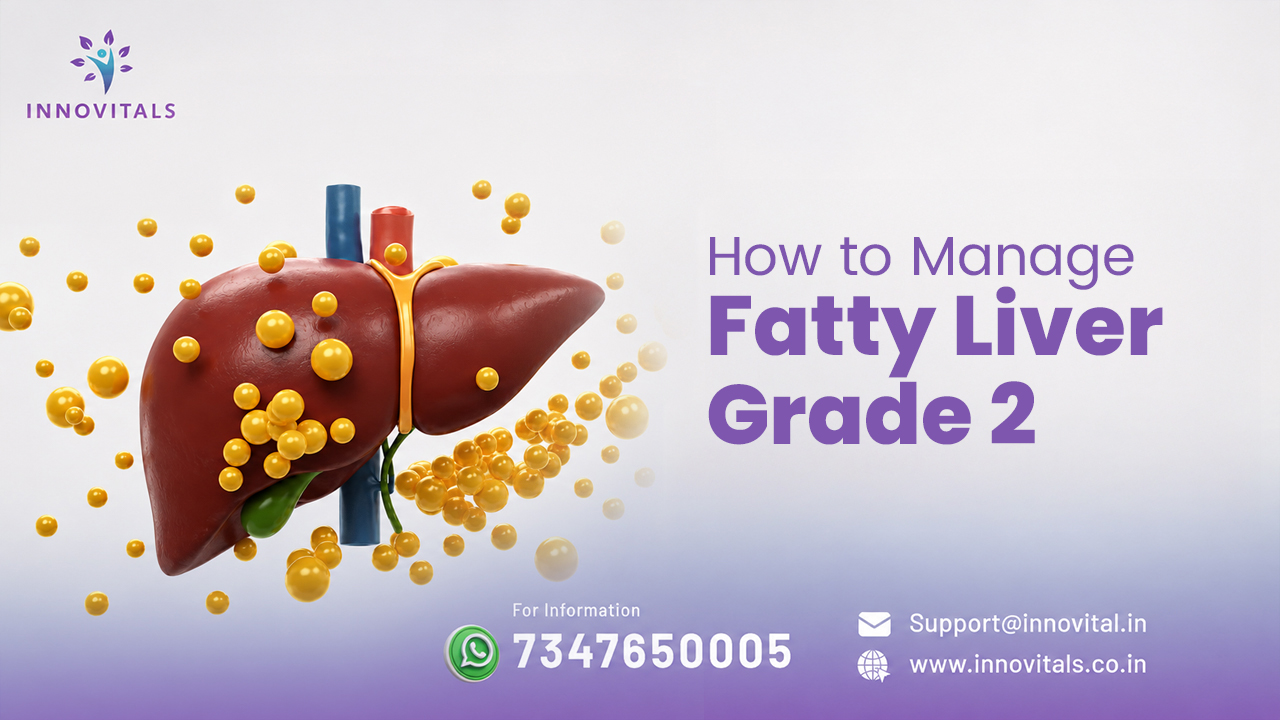
How to Manage Fatty Liver Grade 2: Symptoms, Medications, and Lifestyle Tips

Have you become less hungry? Have you recently been inadvertently losing weight? Or do you frequently feel bloated? Did you realize that a fatty liver may be the cause of all these problems? More is being handled by our livers than in the past. The burden has been increased by plastics, pollution, and daily chemical exposure from processed goods and cosmetics. The filtration system of the body has not kept up.

It affects about 38.6% of Indian adults and 35.4% of Indian children, according to research published in the Journal of Clinical and Experimental Hepatology. Fortunately, if the damage is not too severe, fatty liver can be reversed. Changes in food and lifestyle are usually effective at Grade 2 because the symptoms are still mild enough. 

What is Fatty Liver Grade 2?

Hepatic steatosis, another name for fatty liver disease, is the buildup of fat in the liver cells. It can be divided into two categories:

NAFLD, or non-alcoholic fatty liver disease

AFLD, or alcoholic fatty liver disease

Everybody’s healthy liver has a tiny amount of fat; when this fat accumulates, the liver becomes fatty. Liver inflammation and cell damage could result from this. According to research published in the National Library of Medicine, fat makes up between 34% and 66% of liver weight in Grade 2. It’s the moderate stage, past the early warning indicators but not yet at the point of significant harm. It’s important to recognize it here because intervention is still simple. 

Is Grade 2 Fatty Liver Dangerous?

Although grade 2 fatty liver is considered moderate, it is not necessarily benign. If left untreated, it can advance to Grade 3, where it becomes much more difficult to reverse the problems. Ignoring it may result in: 

  • Decreased Liver Function: The liver’s capacity to appropriately digest nutrients and filter poisons is compromised.
  • Fibrosis: The accumulation of scar tissue within the liver gradually impairs its function.
  • Extensive scarring from cirrhosis may cause the liver to fail.
  • Hepatitis: Inflammation of the liver that gradually exacerbates preexisting damage.
  • Severe loss of liver function that may necessitate a liver transplant is known as liver failure.
  • Liver Cancer: Prolonged liver injury increases the chance of developing malignant cells.

People often put off taking action since none of these things happen right away. However, Grade 2 is still inside the true window of opportunity to change direction. You have less time to heal if you treat the symptoms as soon as possible. 

Causes and Risk Factors

Grade 2 fatty liver does not appear suddenly. Poor metabolic health and lifestyle decisions are the most frequent causes:

  • Insulin resistance, elevated triglycerides, obesity, and type 2 diabetes
  • A diet that is constantly heavy in processed foods, sugar, and refined carbohydrates
  • Frequent alcohol use is a direct cause of AFLD.
  • PCOD, thyroid conditions, and some drugs
  • Some people are more inclined due to genetics, independent of their lifestyle or diet.

Additional Contributing Elements

  • Prolonged stress
  • Inadequate sleeping habits
  • Underlying medical disorders such as hypothyroidism 

Symptoms of Grade 2 Fatty Liver

The symptoms are frequently so prevalent and subtle that they may go unnoticed. Therefore, the best method to find it early is to have regular liver exams.

Additionally, you may occasionally begin to experience the following signs of grade 2 fatty liver: 

Symptoms Description
Fatigue Persistent fatigue that interferes with day-to-day activities and persists even after enough rest. 
Abdominal Discomfort A dull ache at the location of the liver in the upper right part of your belly. 
Loss of Appetite Reduced desire to eat anything, which leads to a reduction in food consumption. 
Weight Loss Inadvertent weight reduction even when following a regular diet. 
Jaundice Yellowness in the eyes and on the skin could be a sign of liver disease. 
Nausea Uneasy stomach that makes you want to throw up. 

If symptoms worsen, the fatty liver may require immediate medical intervention. Among the symptoms are:

  • Pale stools and dark urine
  • swelling in the abdomen or legs
  • Red, spider-like markings on the skin or itchy skin
  • Mood swings, disorientation, or mental fog

Since the liver lacks pain receptors, pain typically originates from oedema or surrounding tissue. If multiple symptoms appear at the same time, it’s better to look into it than to wait. 

How Is Grade 2 Fatty Liver Diagnosed?

A blood test is typically the first step in the diagnosis process. The initial sign is frequently elevated liver enzymes such as ALT and AST. Imaging then verifies the degree of fat accumulation. The most popular next step is an ultrasound, which can clearly display fatty alterations in the liver. Without making an incision, a FibroScan assesses the stiffness of the liver.

An MRI can provide a more detailed picture in some situations. Although a liver biopsy is rarely necessary at Grade 2, it could be advised if fibrosis is detected or if other tests yield conflicting results. 

Can Grade 2 Fatty Liver Be Reversed?

Indeed. If there is no severe fibrosis in the liver, grade 2 is still within the reversible range. One of the few organs capable of regeneration is the liver. Over several months, fat storage can be decreased with the correct dietary and lifestyle adjustments. Losing 7 to 10% of body weight considerably lowers liver fat levels, according to studies published in Hepatology.

Follow-up scans allow for the measurement of improvement, but the process takes time—typically three months to a year. Acting before it reaches Grade 3, when scar tissue begins to make healing more challenging, is crucial. 

Treatment Options

Giving your liver less work to complete is the main goal of treatment at Grade 2. A few consistent adjustments combined make a significant difference, but no single solution works.

Minimize your toxic load: Toxins enter your body from all directions. Nowadays, poisons can be found wherever you walk, including salons, furniture, paint, plastic, cosmetics, receipts, and pollution. You must exercise caution when you go out in order to maintain the health of your liver. Reduce the amount of plastic, receipts, etc. you use. When possible, stay away from breathing in pollutants from salons and furniture. 

Include bitter foods: You can greatly improve the health of your liver by eating bitter foods like fenugreek, broccoli, sesame seeds, and bitter gourd. These foods guarantee a healthy increase of bile juice production, which facilitates further digestion and, eventually, the breakdown of fat deposits. Additionally, they raise your body’s levels of glutathione, a powerful antioxidant.

Dietary adjustments: Reduce processed fats, sugar, and refined carbohydrates. Natural sweeteners like xylitol and stevia can be used in place of sugar/fructose-based sweeteners. According to studies published in the National Library of Medicine, these are the main causes of the accumulation of liver fat. 

Weight management: A study published in Clinical Gastroenterology and Hepatology found that individuals with NASH (Non-Alcoholic Steatohepatitis) can significantly reduce their liver fat and size by decreasing 5–10% of their body weight. Over time, it was demonstrated that this weight loss reduced liver fat by 25.5% and its volume by 5.3%.

Handling underlying conditions: The liver is stressed by excessive blood pressure, high cholesterol, and uncontrolled blood sugar. It is important to have things under control.

Alcohol: One of the easiest things you can do if you drink is to cut back or quit. It is not negotiable for AFLD.

Medication: Your doctor may prescribe medication if you have diabetes, cholesterol problems, or inflammation. 

Who Is Susceptible to Grade 2 Fatty Liver?

Some groups are more vulnerable than others:

  • Individuals who lead inactive lives or are obese
  • People who have insulin resistance or type 2 diabetes
  • Excessive alcohol consumption, independent of other variables
  • Thyroid dysfunction and PCOD in women
  • People taking certain cholesterol medicines or steroids for an extended period of time

Another factor is age. Although younger people are being diagnosed more frequently due to current dietary patterns, risk increases after age 40. 

Essential Lifestyle Changes to Manage Grade 2 Fatty Liver

When they receive this diagnosis, the majority of patients search for a certain course of treatment. In actuality, your regular routines are the remedy. Move first. Over time, a 30-minute exercise five days a week is actually sufficient to lower liver fat. It doesn’t have to be that intense. It must be reliable. A couple further adjustments that are worthwhile: 

  • Your body’s ability to manage blood sugar is improved by strength training two to three times a week, which directly lowers liver fat. The study, which was published in Nature Journals, found that hepatic fat content decreased by a mean relative 25.9% following four months of resistance training (three sessions per week). 
  • Insufficient sleep alters metabolism and increases cortisol. The majority of people underestimate the detrimental effects of sleep deprivation. The body’s evening cortisol (stress hormone) levels rise after six nights of barely four hours of sleep, according to research published in Sleep Science. The body handles sugar substantially poorly as a result of this alteration, which lowers the body’s insulin response and glucose management by roughly 30% each. These consequences resemble those of type 2 diabetes in its early stages.
  • Prolonged stress has the same impact. Fat is pushed toward the liver by elevated cortisol. It is not optional to manage it.
  • Reducing alcohol consumption, if not completely giving it up, relieves significant strain on the liver. 

Diet Recommendations: What to Eat and What to Avoid

Eat more of:

  • Vegetables, particularly cruciferous ones like broccoli and cauliflower and leafy greens
  • Whole grains, such as millets, brown rice, and oats
  • Lean proteins include fish, eggs, lentils, dal, and low-fat dairy.
  • Nuts, seeds, and olive oil provide healthy fats.
  • Foods high in antioxidants, such as green tea, berries, turmeric, and garlic 

Cut back on:

  • Sweets, bottled juices, sugar-filled beverages, and sugar
  • White bread, dishes made with maida, and quick noodles are examples of refined carbohydrates.
  • Ultra-processed and fried foods
  • Excessive consumption of red meat and full-fat dairy
  • Alcohol 

Medicines & Supplements To Treat Grade 2 Fatty Liver

There isn’t a single medication that can fully treat grade 2 fatty liver. In order to manage and avoid problems, treatment mostly focuses on addressing the underlying causes. Alcohol usage, poor diet, obesity, diabetes, and high cholesterol are common factors. As we’ve covered, altering one’s food and way of life might assist control or even somewhat lessen the illness.

However, changing one’s diet and way of life is frequently the most successful strategy. Supplements might also aid in the management of the illness. Several potent and scientifically supported supplements for the treatment of fatty liver include: 

Milk Thistle

Silymarin, or milk thistle, aids in the healing of liver cells. It is mostly prized for its anti-inflammatory, antioxidant, and liver-protective properties, which may lessen persistent liver cell stress. For those with fatty liver issues, it is frequently taken as a supportive supplement. It has silymarin, which enhances liver function and promotes the regeneration of liver cells.

In patients with fatty liver disease, silymarin decreased ALT by 17.12 IU/L, AST by 12.56 IU/L, and triglycerides by 22.60 mg/dL, according to a meta-analysis of nine clinical trials published in the Canadian Liver Journal.

Vitamin E

In clinical trials, vitamin E has been beneficial for NAFLD patients without diabetes. Because of its potent antioxidant properties, it may be able to reduce oxidative stress, which is a contributing factor to liver inflammation. Rather than being a generic supplement for everyone, it is typically mentioned more in situations with non-diabetic fatty liver. After 96 weeks, vitamin E improved 43% of non-diabetic persons with NASH compared to 19% on a placebo, according to research published in The New England Journal of Medicine. 

N-acetyl cysteine

One of the body’s primary antioxidants for liver protection, glutathione, is replenished with the aid of N-acetyl cysteine (NAC). Over time, this could promote improved liver function and reduce oxidative stress. NAC is a useful supplement in the treatment of fatty liver disease since it has been demonstrated to enhance liver function and decrease the buildup of fat in the liver. Rather than being a stand-alone remedy, NAC is frequently discussed as a supporting nutrient.

After six months, NAC decreased ALT by 16.67%, AST by 16.13%, and the oxidative stress marker MDA by 15.97% in NASH patients, according to research published in Pharmaceuticals. 

It’s crucial to look for supplements that assist lower inflammation and boost liver function while selecting the finest one for fatty liver. Milk thistle and N-acetylcysteine (NAC) are an efficient combo that can boost the liver’s natural detoxifying mechanisms and shield it from additional harm. 

Finally,

Although grade 2 fatty liver is a serious illness that requires serious care, it also reacts well to the appropriate adjustments. Drastic measures or an aggressive protocol are not necessary. What really makes a difference is making regular changes to your diet, exercise routine, and stress management techniques. When the liver is given the proper conditions to heal, it is forgiving. Obtain a diagnosis, comprehend your numbers, and begin making adjustments. At this point, that is actually enough to change things. 

You can try liver vitals for liver detox in earlier stage

Liver Vital
Liver Vital

Frequently Asked Questions [FAQs]

Can fatty liver grade 2 be cured?

In most circumstances, it is possible to reverse grade 2 fatty liver. It is not a chronic illness. The liver can gradually eliminate the extra fat with steady dietary adjustments, frequent exercise, and treatment of the underlying cause, such as obesity, alcoholism, or insulin resistance. Seldom does sporadic effort make a difference. 

How to reduce fatty liver grade 2?

Eliminate alcohol, white flour, fried meals, and processed sugar completely. Increase your intake of veggies, protein, and foods high in healthy fats, such as fish and nuts. At least five days a week should be dedicated to exercise. If you are overweight, gradually reduce your body weight. Liver fat is quantifiably reduced by even a 7–10% decrease in body weight. Check and control your triglycerides and blood sugar. 

How long will it take to reverse fatty liver grade 2?

After making significant lifestyle changes, the majority of people observe improvements on ultrasonography within three to six months. Depending on how much fat is present, how closely the diet is adhered to, and whether or not illnesses like diabetes are being handled, a complete reversal may take anywhere from six months to two years. A set timetable does not exist. 

Can I eat rice in fatty liver grade 2?

You can, but how much you eat is important. White rice rapidly increases blood sugar, which over time can exacerbate liver fat. If rice is a staple for you, eat it in smaller portions and combine it with protein, veggies, or lentils to decrease the absorption of glucose. If you can handle it, millets or brown rice make superior substitutes. 

Is curd good for fatty liver grade 2?

Unsweetened, plain curd is OK and even helpful. It is a wonderful source of probiotics and protein, and the metabolism of fat in the liver is influenced by gut health. Steer clear of sweetened or flavoured variants. Moderate amounts of full-fat curd are okay.

Does Innovitals Liver Vitals cure fatty liver?

Innovitals Liver Vitals should not be claimed to cure fatty liver. Fatty liver management primarily involves diet, physical activity, weight management, and treatment of underlying conditions. If you are considering Liver Vitals as a supplement, consult a healthcare professional and use it only as directed.

Read Also: Grade 1 Fatty Liver – Causes, Symptoms, and Best Treatment Tips


Add to cart

8% OFF ON FIRST ORDER

Catch your discount before the timer runs out

Discount on first buy only