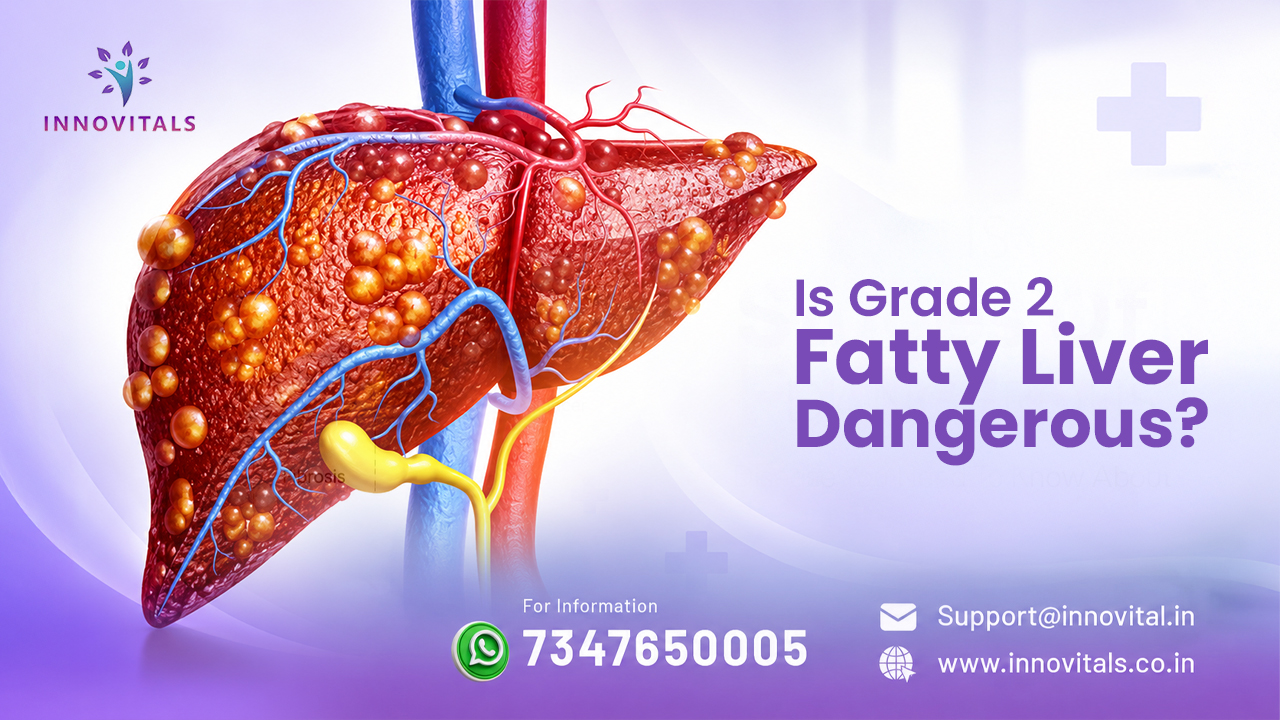
Grade 2 Fatty Liver: Symptoms, Causes, Treatment & Recovery Guide

Approximately 1 in 4 persons worldwide suffer from fatty liver disease; however, the majority are unaware of it. It simply builds up until a doctor notices it on an ultrasound or during routine blood work; it doesn’t proclaim itself with pain or other evident symptoms. If you have been diagnosed with grade 2 fatty liver, your liver cells contain a moderate quantity of fat. 

Currently, your liver is still functioning, but it is under strain because of extra fat. If no action is taken in this regard, gradually, inflammation and damage to the liver may begin. The good news is that this situation has been identified early enough so that you can take action. By making small, appreciable changes in your eating, physical activity, and other health-related activities, your liver will recover.

What Is Grade 2 Fatty Liver?

A substantial quantity of fat has built up inside the liver cells in cases of grade 2 fatty liver. Even while fat accumulation is now readily visible on imaging tests like ultrasonography, many people’s livers are still able to operate normally. However, if treatment is not received, it may cause inflammation and stress on the liver cells, which may eventually lead to more severe stages of liver disease. According to research, those with mild fatty liver are more likely to develop more serious liver diseases if they don’t make lifestyle adjustments right away. To maintain liver health and stop additional issues, early detection and treatment are crucial. 

Is Grade 2 Fatty Liver Dangerous?

Indeed. It’s important to treat moderate fatty liver. Approximately 25–30% of persons globally suffer from fatty liver disease, and 20% of those who are diagnosed have moderate or grade 2 fat accumulation. Since fatty liver rarely produces symptoms, it is simple to overlook.

Here’s the issue, though. Life-threatening conditions can arise from moderate fatty liver. If left untreated, it may eventually result in cirrhosis, scarring, and inflammation. The good news is that you can actually reverse the illness at this point by making lifestyle adjustments, including eating better, exercising frequently, and losing a small amount of weight. 

Consider grade 2 to be a red flag. Your liver is alerting you to the need for assistance, and there is still time to address it. Just a few easy adjustments can make a big difference. Cut back on junk food and sugary drinks. Increase your intake of fruits and vegetables and go for a daily 30-minute walk. A mere 5–10% reduction in body weight can have a significant impact.

Taking action right now is crucial. To let your doctor know whether things are getting better, schedule routine checks. Don’t ignore it, but also try not to freak out. The most important thing is that you are identifying this early enough to take action. 

Symptoms of Grade 2 Fatty Liver

Because most patients with grade 2 fatty liver have no symptoms, the condition is referred to by medical professionals as a “silent disease.” But when symptoms do manifest, keep an eye out for these:

Typical signs and symptoms include:

  • Persistent fatigue or weakness
  • Your liver is located on the upper right side of your abdomen, which may cause discomfort or a dull ache.
  • Having a full or weighty stomach
  • Mild weight gain or difficulty dropping pounds

More severe warning indicators:

  • Jaundice, or yellowing of the skin and eyes
  • Swelling in your legs and abdomen
  • Confusion or trouble focusing

What Causes Grade 2 Fatty Liver?

According to research, one in four people has fatty liver, which is caused by improper fat processing by the liver. Among the primary factors are:

Being Overweight or Obese: Your liver is under a lot of stress when you are overweight. Your liver has to work harder when your body has excess fat.

Insulin resistance, also known as type 2 diabetes: If you have type 2 diabetes, your body is unable to use insulin as it should, which eventually causes fat to accumulate.

Bad diet: Consuming excessive amounts of processed foods, sweets, and unhealthy fats might cause your liver to become overly fatty. 

Lack of activity: A sedentary lifestyle exacerbates the issue and leads to the accumulation of fat on the liver if you don’t exercise or move about much during the day.

High cholesterol or triglycerides: High triglycerides or cholesterol indicate that your blood already contains too much fat, which is then stored in your liver.

Excessive alcohol consumption: Excessive alcohol consumption overwhelms your liver’s capacity to handle alcohol.

Certain medications: Fat accumulation may result from certain medications, such as steroids or cancer therapies.

Family history: Some people may be more susceptible to fatty liver due to genetics. 

Diet and Lifestyle Changes That Help

One of the best strategies to cure grade 2 fatty liver is to make dietary and lifestyle modifications. What works is as follows:

Foods to consume more of:

  • Fresh produce
  • Brown rice, oats, and whole wheat bread are examples of whole grains.
  • Fish, poultry, beans, and lentils are examples of lean protein.
  • Nuts, avocados, and olive oil are good sources of fat.
  • Omega-3 fatty acids are found in fatty fish like salmon.

Foods to restrict or stay away from:

  • Sodas and sugary beverages
  • Pasta, white rice, and white bread
  • Processed and fried foods
  • Processed meats and red meat
  • Foods with added sugar flavours
  • Too much salt
Liver Vital
Liver Vital

Exercises that help:

Your liver’s fat content can really be decreased with regular aerobic activity. You don’t have to work out hard. Simple exercises are effective.

  • Every day, go for a 30-minute brisk stroll.
  • Cycling or swimming
  • Twice a week, strength training

According to studies, liver fat and inflammation can be considerably reduced by decreasing merely 5–10% of your body weight.

Some significant adjustments you ought to make are:

  • Sleep for seven to eight hours every night.
  • Use deep breathing, yoga, or meditation to reduce stress.
  • Reduce or give up alcohol entirely
  • If you have high cholesterol and diabetes, manage them. 

How Can Nutritional Support Help?

Although nutrition and exercise are the cornerstones of liver health, there are certain vitamins and supplements that, when selected and taken appropriately, may improve liver health. The potential of some components to assist the liver and lessen fat buildup has been investigated. Among these is N-Acetyl Cysteine (NAC), which aids in the production of glutathione, the body’s most potent antioxidant. After three months, NAC supplementation dramatically reduced liver enzyme levels in patients with fatty liver disease, according to research.

Next, silymarin, a substance that shields liver cells, is found in milk thistle. Silymarin decreased liver fat, according to a comprehensive analysis of 26 studies with 2375 individuals. 

Some research indicates that betaine, which is abundant in beetroot extract, aids in the reduction of liver fat. A study on PubMed Central supports this finding as well.

By boosting bile production, which aids the liver in eliminating waste and improving fat digestion, dandelion extract also promotes liver detoxification.

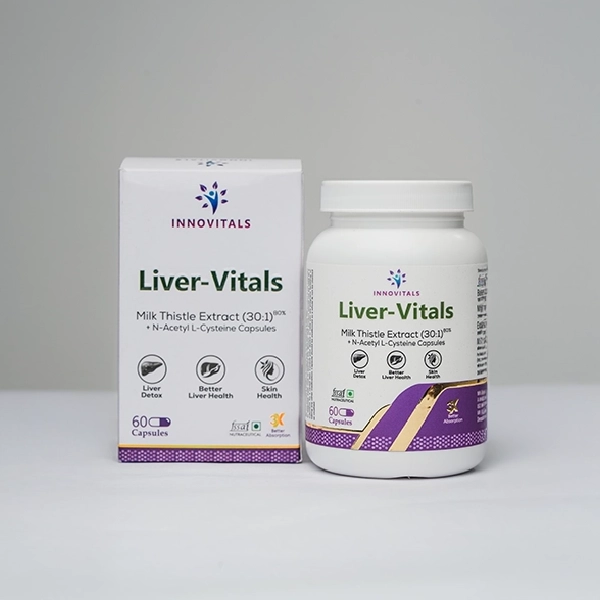
Look for a liver detox product that incorporates these components. All of these professionally validated components are included in Innovital’s liver vitals supplement to promote the health of your liver. 

Omega-3 Fatty Acids: In individuals with fatty liver disease, omega-3 supplementation dramatically decreased liver fat, according to a study published in PubMed Central. A daily intake of 1000–3000 mg of EPA and DHA is advised. Omega-3 helps your liver burn down fat more efficiently and lowers inflammation.

Supplements help maintain the health of your liver, but they should never take the place of medications or good behaviours. They are most effective when combined with diet, exercise, and medications. 

Can Grade 2 Fatty Liver Be Reversed?

In most circumstances, it is possible to reverse grade 2 fatty liver. With the correct diet and lifestyle adjustments, it can be reversed. When you provide your liver with the proper care, it has an amazing capacity to heal itself. 

How long does it take?

Depending on the individual and the severity of the ailment, the timeline may change. With the right care, it can take three to four months to reverse. 

What does “reversal” mean here?

Liver fat significantly drops

Liver enzyme levels return to normal.

Reduced inflammation

Improvements in liver function

Success is dependent upon:

How much weight you shed (even 5–10% is effective)

How regularly you adhere to your diet

Frequent exercise

Taking care of other ailments like diabetes

Steer clear of booze

Getting adequate rest 

Read more details: Grade 1 Fatty Liver – Causes, Symptoms, and Best Treatment Tips

Finally,

A warning sign to take control of your health is grade 2 fatty liver. If you give your liver the proper support, it is the only organ that can heal itself. Extreme dieting or overnight alterations are not necessary. Consistency and dedication to little, long-lasting habits that accumulate over time are what you need.

Today, start with one thing. Perhaps it’s giving up sugar-filled beverages. After supper, it might be a 20-minute stroll. Just get started, whatever it is. Even a 5–10% weight loss can reverse liver fat, and significant benefits usually take three to four months to manifest.

Every day, your liver puts forth a lot of effort on your behalf. It’s time to repay the favour now. You have all you need to make things better. 

Read Also: Fatty Liver Disease: Causes, Symptoms, Diagnosis & Treatment

Frequently Asked Questions (FAQs)

Can a grade 2 fatty liver be cured?

Although grade 2 fatty liver is a major concern, it can be controlled or even reversed with the right drugs, supplements, and dietary and lifestyle modifications. 

Can fatty liver cause ankle swelling?

Yes. Fatty liver can accumulate fluid in the body in advanced stages, which could cause swelling in any area of the body. 

What is the life expectancy of a person with stage 2 fatty liver disease?

The effectiveness of the condition’s management determines life expectancy. Many people maintain their regular lives while making the necessary lifestyle adjustments. 

Read more details: How to Manage Fatty Liver Grade 2: Symptoms, Medications, and Lifestyle Tips

Can your liver recover from stage 2?

If assistance is given, the liver is the only organ that can heal itself. It may not be able to fully recover, but scarring and inflammation can be healed. 

What medication is used for Grade 2 fatty liver disease?

For grade 2 fatty liver, there isn’t a specific medication. Treatments often concentrate on managing obesity, diabetes, and routine general health monitoring.

How long can you live with fatty liver grade 2?

Grade 2 fatty liver does not automatically mean a shortened lifespan. With healthy lifestyle changes and proper medical monitoring, many people can manage it well and prevent progression.

Can I eat rice in fatty liver grade 2?

Yes. You can eat rice in moderation. Prefer smaller portions and combine rice with vegetables, dal, lean protein, and other high-fiber foods. Brown or minimally processed rice can be a good option.

How can I reduce my grade 2 fatty liver naturally?

Focus on gradual weight loss if overweight, regular exercise, a balanced high-fiber diet, limiting sugar and processed foods, avoiding excessive alcohol, and managing blood sugar and cholesterol.

Is paneer good for fatty liver grade 2?

Paneer can be included in moderation. Choose smaller portions and preferably lower-fat paneer, while prioritizing a balanced diet rich in vegetables, whole grains, and lean protein.

Can I eat rice in fatty liver grade 2?

Yes. Rice does not necessarily need to be completely avoided. Keep portions controlled and avoid pairing large amounts of rice with sugary, fried, or highly processed foods.

Is medicine required for fatty liver grade 2?

Not always. Treatment depends on the underlying cause, liver inflammation, fibrosis risk, weight, diabetes, cholesterol, and other health factors. A doctor can determine whether medication is appropriate.

How serious is stage 2 liver?

If by “stage 2” you mean grade 2 fatty liver, it indicates a moderate amount of fat in the liver and should be taken seriously. It is often manageable, but untreated fatty liver can progress to inflammation and fibrosis.

Read Also: How to Detox Your Liver Naturally: Tips & Healthy Habits
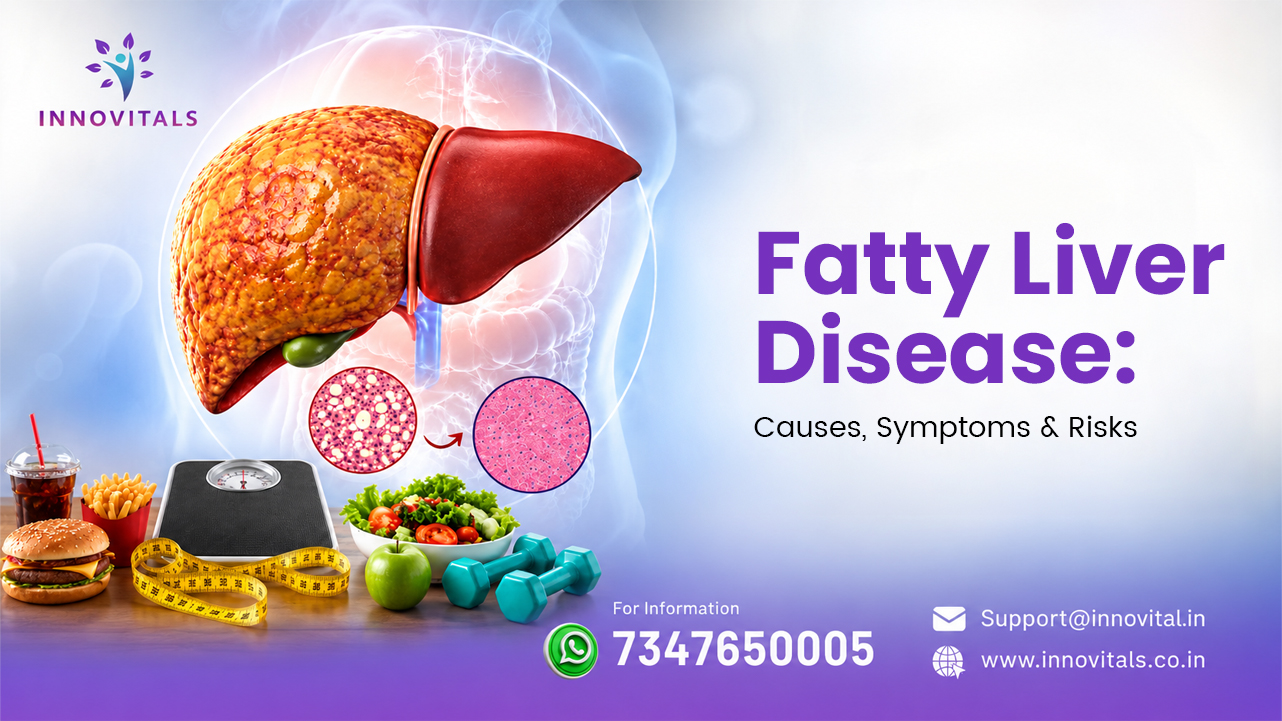
 

Fatty Liver Disease: Causes, Symptoms, Diagnosis & Treatment

What is Fatty Liver Disease?

Excess fat accumulates in the liver in a condition known as fatty liver disease. Small levels of fat are normal, but excessive fat might disrupt the liver’s function. It is frequently associated with obesity, diabetes, high cholesterol, or significant alcohol consumption, according to a study published in the Diabetology & Metabolic Syndrome Journal. Many times, there are no obvious signs at first. But if unchecked, it can cause cirrhosis, liver damage, or inflammation.

The good news is that the disorder may frequently be reversed in its early stages with lifestyle modifications like regular exercise, a nutritious diet, and weight control. 

Types of Fatty Liver Disease

When too much fat builds up in the liver, it can lead to fatty liver disease. The development of fatty liver disease can occur for a variety of reasons. Apart from the modest buildup of fat in the liver known as steatosis, other phases of fatty liver disease include fibrosis and inflammation, which, if ignored, can result in cirrhosis.

Alcoholic fatty liver disease (AFLD) and non-alcoholic fatty liver disease (NAFLD) are the two kinds of fatty liver disease.

Alcohol-related liver injury, or Alcoholic Fatty Liver Disease, is caused by excessive alcohol use that damages liver cells and accumulates extra fat, which inflames the liver. 

Non-Alcoholic Fatty Liver Disease is usually associated with other medical disorders including obesity, diabetes, or metabolic syndrome. It happens when a person either doesn’t drink at all or drinks very little alcohol. 

Stages of Fatty Liver Disease

Before the condition is under control, fatty liver disease might go thru several stages and develop slowly. Each step represents several levels of damage.

Stage 1 Fatty Liver (Steatosis) – Fat buildup and minimal to no inflammation or damage characterize stage 1 fatty liver (steatosis). can be undone by altering one’s lifestyle.

Stage 2 Fatty Liver (Steatohepatitis) – Steatohepatitis, or stage 2 fatty liver, is linked to inflammation and fat buildup. If gaps are not filled, liver damage may get worse.

Stage 3 Fatty Liver (Fibrosis) – Persistent inflammation that impairs liver function and results in the creation of scars inside the liver.

Stage 4 Fatty Liver (Cirrhosis) – A permanent loss of normal liver function as a result of the liver’s normal function being replaced by a severely growing scar. liver failure risk. 

Causes of Fatty Liver Disease

When extra fat accumulates in the liver as a result of metabolic issues or unhealthy lifestyle choices, fatty liver disease results. This buildup of fat has the potential to disrupt regular liver function over time. Typical reasons consist of: 

Cause Description
Obesity (especially abdominal fat) One of the most frequent causes of fatty liver is being overweight, especially belly fat, which increases the amount of fat stored in the liver and increases the likelihood of developing symptoms over time. 
Type 2 Diabetes / Insulin Resistance Insulin resistance is a crucial factor in the causes and progression of fatty liver because when the body cannot use insulin effectively, excess sugar is turned into fat. 
High Cholesterol / High Triglycerides Because they worsen metabolic imbalance and increase fat storage in liver cells, elevated blood fats can directly contribute to causes of fatty liver. 
Excess Alcohol Consumption Drinking excessively or for extended periods of time destroys liver cells, which is a well-known cause of fatty liver and can eventually result in symptoms. 
Lack of Regular Exercise Sedentary lifestyles increase fat storage and impede metabolism, which can lead to fatty liver and make it harder for the body to correct early-stage disease. 
Unhealthy Diet (Sugary & Processed Foods) Frequent use of processed meals, refined carbs, and sugary drinks encourages the liver to produce fat, making diet one of the main causes of fatty liver. 
Excess Calorie Intake Consuming more calories than the body requires on a regular basis increases the risk of fatty liver symptoms and consequences by causing fat to be stored throughout the body, including the liver. 

Additional Causes of Fatty Liver

  • Your risk may be elevated if fatty liver disease runs in your family.
  • Corticosteroids are among the drugs that might cause fatty liver.
  • Hypothyroidism and PCOS are two examples of hormonal disorders that can increase the risk.
  • Hepatic fat accumulation may result from rapid weight loss.
  • Low oxygen levels from sleep apnoea might exacerbate fatty liver.
  • Fatty liver may be a result of a persistent Hepatitis C infection.
  • The liver can be harmed by exposure to environmental pollutants like chemicals. 

Fatty Liver Risk Factors

Whether or not there are any obvious symptoms at the moment, there are a number of factors that can raise the chance of developing fatty liver disease. Among them are:

  • Elevated blood pressure
  • Ovarian polycystic syndrome
  • Apnoea during sleep
  • Liver illness in the family
  • Unhealthy dieting or rapid weight loss 

Symptoms of Fatty Liver Disease

Many people may be unaware that they have fatty liver disease because it frequently has no symptoms in its early stages. Symptoms may start to manifest as the illness worsens and the damage to the liver increases.

Common Symptoms

  • Low Energy
  • Discomfort or pain in the upper right side of the abdomen
  • Unexplained weight loss
  • Weakness
  • Nausea
  • Enlarged Liver
  • Jaundice

More severe symptoms like jaundice, swelling in the legs or abdomen, and appetite loss may appear as the illness progresses. 

Diagnosis and Tests for Fatty Liver

A combination of medical history, physical examination, laboratory testing, and imaging techniques are typically used to identify fatty liver disease. Before suggesting additional testing, doctors evaluate risk factors like alcohol consumption, diabetes, and obesity. 

Blood Tests and Imaging

Liver enzyme levels are frequently measured via blood testing. Increased enzyme levels could be a sign of liver damage or inflammation. However, fatty liver disease is not always ruled out by normal results. The existence of fat in the liver can be verified by imaging testing.

  • The first test to identify fat accumulation is frequently ultrasound.
  • FibroScan assesses the fat and stiffness of the liver. 

Liver Biopsy and Advanced Scans

The most reliable method for determining the degree of liver damage is a liver biopsy. It entails using a microscope to examine a tiny sample of liver tissue. Without the necessity for surgery, sophisticated imaging methods like MRI elastography offer comprehensive information regarding liver fat and scarring. 

Treatment and Management for Fatty Liver

Fatty liver disease cannot be totally cured by a single drug, but by treating its underlying causes, it can frequently be reversed or effectively managed. The best strategy is still to make lifestyle adjustments early on, especially in the early phases. 

Lifestyle Changes and Diet

Weight Loss: The body will store fat in the liver as a result of excess body fat, particularly in the abdomen. A person’s body will start using stored body fat, including fat in the liver, for energy when they lose weight. Even a 5–10% weight loss can significantly reduce inflammation and the amount of fat deposited in the liver, according to the study published in the Hepatitis Monthly Journal.

Intermittent Fasting: By lowering insulin levels, intermittent fasting causes the body to switch from storing fat to burning it, which will eventually result in reduced fatty liver formation.

Low Carb Diet: Consuming a lot of processed carbohydrates and sweets raises insulin levels and causes the liver to produce more fat. Reducing sugar and processed carbs will increase your insulin sensitivity, which will lower the liver’s ability to produce new fat.

Eating Healthy Fats: Walnuts, flax seeds, chia seeds, avocados, fish oil (omega-3 fatty acids), and other foods will assist improve the liver’s ability to metabolize fat and reduce inflammation.

Better Digestion: Eating fibre can not only help you stay regular but also ease the strain on your liver during food digestion. A balanced metabolism will be supported by intestinal health. 

Liver Vital
Liver Vital

Medications and Medical Interventions

Changing one’s lifestyle is the most important approach to treat this problem, however some people may require medication, particularly if they have advanced liver disease or metabolic disorders. Doctors may recommend drugs to reduce cholesterol and triglycerides or to improve insulin resistance (type 2 diabetes drugs).

The extent of liver damage, preexisting medical conditions, and other risk factors will determine the course of treatment, which should always be carried out under the supervision of a healthcare professional. In certain situations, specific medications may be used to help reduce inflammation of the liver or to try and stop further scarring of the liver. 

Complications & Progression Risks

Fatty liver disease can worsen and cause major issues if it is not treated. The issue starts with an accumulation of fat in the liver, which can result in cirrhosis, inflammation, scarring, and possibly even total liver failure or liver cancer. In severe circumstances, the patient will require a liver transplant. Because of this, it is crucial that the diagnosis be established as soon as possible and that lifestyle modifications be put into place right once. 

Best Supplements for Fatty Liver Support

By implementing certain dietary, lifestyle, and supplemental modifications, you may be able to enhance the function of your liver. The following are some examples of supplements that might help you in your attempts to strengthen the health of your liver:

N-acetylcysteine (NAC): It increases the amount of glutathione, a strong antioxidant that is essential for liver function since it keeps liver cells healthy. The function of antioxidants in liver health is further highlighted by the fact that it helps lower oxidative stress and may aid in liver recovery in situations involving inflammation or exposure to toxins. 

Milk Thistle: Its active element, silymarin, may aid in liver regeneration and lower hepatic inflammation. It is frequently used as a natural supplement to nourish the liver and may shield liver cells from additional harm.

Dandelion Root: In the past, dandelion root has been used to cleanse the liver and encourage healthy bile flow. Encouraging bile flow can improve the body’s ability to remove waste and aid in digesting. See the significance of bile flow in digesting. 

Omega-3s: They help maintain a healthy heart and reduce inflammation and fat in the liver. Additionally, they might enhance insulin sensitivity, which is crucial for controlling fatty liver disease.

Curcumin (Turmeric): Turmeric’s curcumin helps maintain metabolic equilibrium and support the liver. Its potent anti-inflammatory qualities may promote general metabolic health and lessen inflammation in the liver.

To save time and benefit from the synergistic combination of several powerful substances in a single product, many people opt to utilize a liver detox supplement that already contains NAC, milk thistle, and dandelion root. 

liver detox supplement

Prevention & Long-Term Fatty Liver Management

In order to manage your fatty liver disease and prevent it from growing worse, you must make good lifestyle changes. Regular exercise and a balanced diet can help you maintain a healthy weight, improve your metabolism, and lower your long-term risks. 

Exercise Routines & Meal Suggestions

In addition to focusing on eating a lot of fruits, vegetables, lean proteins, and healthy fats while cutting back on sugar, refined carbs, alcohol, and unhealthy fats, you should aim for at least 150 minutes of moderate aerobic activity per week, including two days of resistance training. 

Monitoring and Follow-up

Regular examinations, blood testing, and imaging tests will enable doctors to track development and identify issues early. Maintaining the effectiveness of your treatment plan will also be aided by routine follow-up appointments. 

When to Call Your Physician

You should consult your doctor if you experience prolonged exhaustion, abdominal pain, yellowing of the skin or eyes, swelling of the legs, mental disorientation, or any recognized risk factors for liver disease. The development of more severe consequences can be prevented with early treatment. 

Finally,

There are different ways to help in the prevention and treatment of fatty liver disease. As one has to pay close attention to their diagnosis, they should be thankful to the fact that lifestyle changes may be a successful way to deal with the issue.

For some patients diagnosed with fatty liver disease, changing their diet, increasing physical activity, maintaining a healthy weight, and minimizing alcohol intake can be really helpful. The secret to achieving such results lies in making positive changes consistently instead of trying to achieve maximum results within the shortest period.

What matters most about the process of recovering from the diagnosis is the relationship between the concept of consistency and that of perfection. Thus, the aim here is to help patients understand the importance of learning more about their health and following the advice of doctors during medical appointments held on a regular basis. 

In this way, compliance with numerous recommendations and adherence to one’s lifestyle will make it possible for a patient to prevent and treat fatty liver disease.

Read Also: How to Detox Your Liver Naturally: Tips & Healthy Habits
Frequently Asked Questions (FAQs)

What exactly is fatty liver disease?

Excess fat has accumulated within your liver cells if you have fatty liver. It’s one of the most prevalent liver diseases nowadays, particularly in light of the growing number of metabolic health problems. 

What are the main fatty liver causes?

Obesity, insulin resistance, high cholesterol, type 2 diabetes, poor diet, and excessive alcohol intake are the most prevalent causes of fatty liver. 

What are the early fatty liver symptoms?

Fatty liver frequently has no obvious signs in its early stages. For this reason, a lot of people are unaware that they have it. 

Can fatty liver cause fatigue?

Indeed, when the liver isn’t working at its best, a lot of people report feeling unusually exhausted or short on energy. 

Does fatty liver cause pain?

Although significant pain is rare in the early stages, some patients may experience little discomfort or heaviness in the upper right side of the abdomen.

What are the symptoms of fatty liver disease in men?

Fatty liver often causes few or no symptoms. When symptoms occur, they may include fatigue or discomfort in the upper-right abdomen.

How to deal with fatty liver?

Healthy lifestyle changes are the main approach. Gradual weight loss, regular physical activity, a balanced diet, and limiting alcohol can help reduce liver fat and inflammation.

What are the main causes of fatty liver disease?

Common risk factors include overweight or obesity, insulin resistance, type 2 diabetes, high triglycerides or cholesterol, metabolic syndrome, and excessive alcohol use. Some medicines and genetic conditions can also contribute.

What are the best supplements for fatty liver disease?

There is no universally recommended supplement for fatty liver. Some supplements may interact with medicines or even cause liver injury, so consult a healthcare professional before taking supplements for liver health.

What are 5 signs of a fatty liver?

Fatty liver can be symptom-free. Possible symptoms include fatigue, reduced appetite, nausea, abdominal discomfort, and weakness. Testing is needed to confirm the condition.

Can fatty liver become normal?

Yes. Fatty liver can improve, particularly when its underlying causes are addressed. Gradual weight loss, healthy eating, and physical activity can reduce liver fat, while greater weight loss may also improve inflammation and fibrosis.

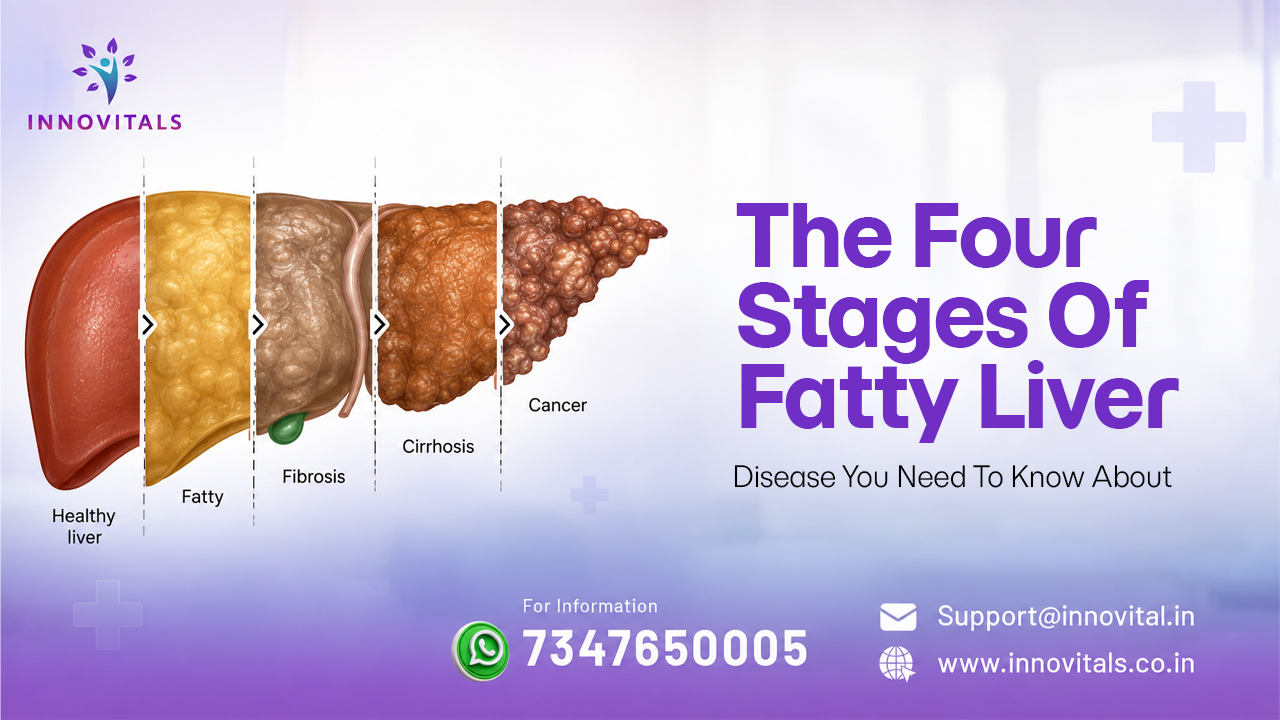
Four Stages Of Fatty Liver Disease- From Diagnosis to Recovery Explained

You keep track of calories. You walk. However, your liver is still having trouble. You’ve switched from soda to sparkling water. You even enrolled in a Zumba course. Nevertheless, increased liver enzymes were seen in your most recent blood test. What does “fatty liver,” which your doctor mentioned in passing, actually mean? In actuality, a large number of health-conscious individuals are unaware that they have fatty liver disease. Additionally, symptoms don’t always appear until the harm is too severe.

Fatty liver actually acts as a silent visitor at your dinner table, responding to your eating habits, stress levels, sleep patterns, and routines. Let’s examine the four stages of fatty liver disease, their implications for your health, and how you may react both quickly and strategically. 

What Is Fatty Liver Disease?

When fat accumulates inside the liver cells beyond what the organ can safely handle, it is known as fatty liver disease. Although a modest amount of fat in the liver is perfectly normal, issues arise when fat makes up more than 5–10% of the liver’s overall weight. The liver can no longer perform its regular duties as it can when it is fully healthy (or entirely damaged). 

Two main forms of fatty liver disease are brought on by alcohol use:

  • AFLD 
  • NAFLD

Approximately 25% of people worldwide suffer from NAFLD. Fatty liver disease is a multifaceted ailment that many individuals are unaware of. Grades and stages are two distinct but related systems that clinicians use to assess this chronic illness.

Grades vs. Stages of Fatty Liver Disease – What’s the Difference?

This is one of the most misunderstood elements of fatty liver disease, and it makes perfect sense that some general practitioners use the phrases interchangeably when they shouldn’t. Although these names are frequently used synonymously, they have different meanings.

Grades: Grades 1 through 3 indicate the amount of fat that has built up in the liver.

Stages: Stages 1 through 4 monitor the disease’s general course, including scarring, liver cell destruction, and inflammation.

In short, staging assesses the severity of the condition, while grading assesses the amount of fat. 

Stage 1 – Simple Fatty Liver

What Is Simple Fatty Liver (Steatosis)?

The initial and most controllable stage of fatty liver disease is simple fatty liver, also known as steatosis. Fat has started to build up in the liver cells at this stage, but there isn’t yet any noticeable inflammation or damage to the liver cells. Imagine it as the body raising a yellow flag, alerting you to the need for change. 

Early Signs and Symptoms of Steatosis

This is the difficult part. The majority of persons with uncomplicated fatty liver have no problems at all. It frequently stays undiagnosed for years since there are rarely any overt symptoms, according to a study published in the National Library of Medicine. Some people may have nonspecific upper right abdominal discomfort or slight weariness, although these are simple to ignore. 

Causes of Steatosis

Simple fatty liver is most frequently caused by poor eating habits (especially high intake of sugar and processed carbs), excessive alcohol use, fast weight loss, and certain drugs like tamoxifen and corticosteroids. 

How Steatosis Develops

The liver starts accumulating excess fat in liver cells when it gets more fat than it can absorb, whether from dietary fat, free fatty acids released from body fat, or a process known as de novo lipogenesis, in which the body turns extra carbs into fat. This buildup accumulates over time. 

Risk Factors of Steatosis

Obesity, type 2 diabetes, insulin resistance, high triglycerides, metabolic syndrome, and inactivity are the main risk factors. Additionally, some people are more likely than others to retain fat in their livers due to genetics. 

Treatment for Stage 1 – Simple Fatty Liver

The good news is that basic fatty liver can be treated in most cases. 

Lifestyle Changes (Diet and Exercise)

A study that was published in the British Medical Journal of Open Gastroenterology found that liver fat can be considerably reduced by decreasing just 5–10% of body weight. It is generally advised to have a diet high in whole grains, lean protein, healthy fats, and cruciferous vegetables. Reducing alcohol, refined carbohydrates, and added sugars has a quantifiable impact. It has been demonstrated that aerobic exercise, even 30 minutes of brisk walking five days a week, can lower liver fat without affecting weight loss. 

Medications and Supplements

As of right now, the FDA has not approved any drugs to treat uncomplicated steatosis. However, there are several substances that could assist in enhancing the general health of the liver at this stage (basic fatty liver). These supplements could include vitamin E, omega-3 fatty acids, or milk thistle (silymarin). It is crucial that you see your doctor before beginning any kind of supplement regimen. 

Read more details: Grade 1 Fatty Liver – Causes, Symptoms, and Best Treatment Tips

Stage 2- Non-Alcoholic Steatohepatitis (NASH)

What Is Non-Alcoholic Steatohepatitis (NASH)?

Non-alcoholic steatohepatitis (NASH), the second stage of NAFLD, is more severe. The accumulating fat from stage one has caused the liver’s cells to be damaged and inflamed. Although not everyone with mild steatosis will develop NASH, there are dire repercussions if they do. Inflammation is produced by oxidative stress and the immune system’s reaction to the accumulated extra fat; this persistent inflammation damages and kills the cells in the liver. If the persistent inflammation is not reduced, the liver may develop scar tissue. 

Signs And Symptoms of NASH

Ongoing weariness is the primary symptom; however, many people will have minor indications and symptoms. The right upper part of the abdomen may also cause some discomfort or pain for certain people. Some will feel weak, lose weight without apparent reason, and/or have no energy. A liver biopsy is nearly always necessary to provide a conclusive diagnosis, even tho blood tests will frequently reveal an increase in liver enzymes. 

Risk Factors for NASH

Type II diabetes, being overweight (≥30 waist), high cholesterol, polycystic ovarian syndrome (PCOS), sleep apnoea, and hypothyroidism are risk factors for NAFLD to develop into NASH. 

Treatment for Stage 2 – NASH

Lifestyle Modifications

Changing one’s lifestyle is the cornerstone of treating NASH. It has been demonstrated that NASH can be resolved in a significant proportion of patients with a 7–10% reduction in body weight. At this point, dietary changes, regular exercise, and quitting alcohol are non-negotiable. 

Medications for Inflammation

New FDA-approved treatments for NASH have emerged in recent years. In 2024, Resmetirom, also known by the brand name Rezdiffra, was approved as the first drug for NASH with liver fibrosis. Patients with non-diabetic NASH have also benefited from vitamin E. The best course of action for your particular circumstances will be guided by your hepatologist. 

Regular Monitoring and Checkups

Regular liver function tests, ultrasounds, and even FibroScan testing become crucial at this point. Early detection of any fibrosis advancement enables quicker treatments. 

Read more details: How to Manage Fatty Liver Grade 2: Symptoms, Medications, and Lifestyle Tips

Stage 3 – Liver Fibrosis

What Is Liver Fibrosis?

The third stage, and a major escalation, is fibrosis. The liver has now developed scar tissue as a result of the continuous inflammation caused by NASH.

The liver tries to heal itself by making collagen when its cells are continually harmed. This collagen accumulates as scar tissue, disrupting the natural architecture of the liver and starting to replace healthy liver tissue. 

Symptoms and Progression of Fibrosis 

At this point, symptoms become more apparent. Jaundice (yellowing of the skin or eyes), fatigue, stomach swelling, and easy bruising are possible symptoms. The stages of fibrosis range from F1 (moderate) to F4 (overlapping with cirrhosis). 

Risk Factors for Fibrosis

Fibrosis is accelerated by advanced age, diabetes, obesity, continued alcohol consumption, and uncontrolled NASH. 

Treatment for Stage 3 – Liver Fibrosis

Lifestyle Changes to Reverse Fibrosis

Surprisingly, fibrosis that is early to moderate can still be reversed. Exercise, dietary modifications, and weight loss are first-line treatments. Research indicates that a consistent change in lifestyle can result in a quantifiable decrease in fibrosis scores. 

Medications for Fibrosis Management

Researchers are currently investigating antifibrotic medicines in addition to NASH treatments. Certain supplements are being investigated in therapeutic settings, especially those having antioxidant and anti-inflammatory qualities. 

Liver Health Monitoring

Nowadays, a popular non-invasive method for assessing liver stiffness and tracking the development or improvement of fibrosis over time is called FibroScan (transient elastography). 

Stage 4 – Cirrhosis

What Is Cirrhosis?

The final and most severe stage of liver disease progression is thot to be cirrhosis. When the liver reaches the cirrhosis stage, it can no longer carry out basic tasks because the liver’s scarring has made it impossible for it to function properly. Unlike the earlier phases, cirrhosis is usually irreversible.

If the fibrosis damage persists permanently, the liver will be so damaged that it will not be able to create clotting factors, filter out pollutants from your body, or metabolize nutrients for your body. 

Symptoms and Complications for Cirrhosis

Ascites (fluid accumulation in the stomach region), portal hypertension (high blood pressure in the veins supplying blood to the liver), and an increased risk of hepatocellular cancer due to cirrhosis of the liver are common signs and complications of cirrhosis. 

Risk Factors for Cirrhosis

Cirrhosis risk factors include long-term NASH, high alcohol consumption, viral hepatitis, autoimmune liver disease, and genetic disorders. 

Treatment for Stage 4 – Cirrhosis

Management of Complications

At this point, managing issues is more important than repairing damage. Common treatments include lactulose for hepatic encephalopathy, beta-blockers for portal hypertension, and diuretics for ascites. 

Lifestyle Modifications to Prevent Further Damage

Even at this point, further degeneration can be slowed by abstaining from alcohol, eating a diet that is good for the liver, and avoiding hepatotoxic drugs. 

Liver Transplant Consideration

A liver transplant might be the only practical long-term solution for people with decompensated cirrhosis, in which the liver is unable to maintain fundamental function. Eligibility for a transplant is determined by general health, the source of the illness, and alcohol abstinence. 

How Fatty Liver Progresses from Steatosis to Cirrhosis?

There is no predetermined timeframe for the transition from steatosis to cirrhosis. While some people go through all four stages in ten years, others remain in the steatosis stage forever. Whether the underlying causes—poor diet, insulin resistance, obesity, and alcohol—are being addressed has a significant impact on the rate of development. For this reason, early intervention is crucial. 

Preventing the Progression of Fatty Liver Disease

Early Detection and Monitoring

Elevated enzymes can be detected by routine liver function testing during yearly examinations before symptoms manifest. Ask your doctor about ultrasonography screening if you have any of the recognized risk factors. It all changes if you catch this in the first stage. 

Lifestyle Modifications

There isn’t a magic bullet, but there is an incredibly powerful toolkit that includes whole-food eating, regular exercise, stress reduction, restful sleep, and quitting alcohol. These are the most evidence-based solutions accessible for all four stages; they are not merely suggestions. 

Liver Vital
Liver Vital

Finally,

Most individuals are unaware that fatty liver disease is much more treatable, but only if it is detected early and treated seriously. There is a real window of opportunity for reversal during the first two stages. Significant improvement is achievable even in fibrosis. Knowing where you fall on this spectrum is not only helpful, but it may even change your life. It’s a good idea to get your liver enzymes checked if you haven’t had one recently. 

Read also: How to Detox Your Liver Naturally: Tips & Healthy Habits
Frequently Asked Questions (FAQs)

How many stages of fatty liver are there?

The four stages of fatty liver disease include cirrhosis, fibrosis, inflammation, and simple fat accumulation. Every step gets increasingly more severe than the previous one. 

What is the difference between simple fatty liver and NASH?

Excess fat in the liver without any injury is known as simple fatty liver. NASH is even more problematic since it indicates that fat has caused inflammation and is actively damaging liver cells. 

What happens in the inflammation stage of fatty liver?

Excess fat in the liver sets off immunological reactions during the inflammatory stage of fatty liver, sometimes referred to as steatohepatitis (NASH or ASH). This causes inflammation, oedema, and harm to the liver cells. If untreated, this inflammation results in fibrosis, or scarring, which may potentially cause permanent liver damage. Fatigue, jaundice, and upper right abdomen pain are possible symptoms. 

How do you know what stage of fatty liver you have?

Regular blood testing is frequently used to detect fatty liver stages, which can identify liver issues early on when there may not have been any symptoms. Further tests, such as imaging or, in certain situations, a liver biopsy, are needed to assess the precise stage of liver disease once the doctor has determined that the patient has increased liver enzymes. 

What tests determine the stage of fatty liver?

Numerous liver diagnostics, such as blood tests, ultrasounds, magnetic resonance imaging (MRI), and FibroScan, can identify the stage of fatty liver. When combined, these tests can assist in identifying the relative level of fatty liver damage, even tho a liver biopsy is the most precise method for determining the precise stage of fatty liver disease.

How to reduce fatty liver naturally?

Focus on gradual weight loss if needed, regular exercise, a balanced diet, limiting alcohol and added sugars, and managing conditions such as diabetes and high cholesterol.

How is fatty liver disease treated?

Treatment depends on the cause and severity. Lifestyle changes are often the foundation, while some people may need medicines or treatment for related conditions under medical supervision.

What is the recommended diet for people with fatty liver disease?

Choose vegetables, fruits, whole grains, legumes, lean protein, nuts, seeds, and healthy fats. Limit sugary drinks, refined carbohydrates, highly processed foods, and excess saturated fat.

What is the best liver detox for fatty liver disease?

There is no proven liver detox or cleanse for fatty liver disease. A healthy diet, regular physical activity, weight management, and avoiding excess alcohol are more effective approaches.

What is the best breakfast for fatty liver?

A balanced breakfast such as oatmeal with berries and nuts, or eggs with vegetables and whole-grain toast, can provide fiber, protein, and healthy fats.

Can fatty liver be 100% reversed?

In many people, especially when identified early, fatty liver can improve significantly and may resolve with sustained lifestyle changes and treatment of the underlying cause.

How have I reversed my fatty liver?

Improvement commonly involves gradual weight loss when appropriate, regular exercise, healthier eating, limiting alcohol, and managing blood sugar and cholesterol. Follow-up with a healthcare professional can help track progress.

How to cleanse fatty liver quickly?

There is no safe, proven quick cleanse. Fatty liver generally improves through consistent lifestyle changes rather than short-term detox diets or supplements.

What is the best drink to flush your fatty liver?

No drink can flush out fatty liver. Water is a good everyday choice, while unsweetened coffee may have potential liver-health benefits for some people.

You may also checkout this: 10 Signs Your Liver Needs Detox: A Natural Guide to Liver Health

How to Detox Your Liver Naturally: Tips & Healthy Habits
Every minute, the liver filters more than 1.5 litres of blood. It breaks down hormones the body no longer requires, neutralizes alcohol, creates bile for the digestion of fat, and metabolizes drugs. There are about 500 different metabolic processes going on at once, and when something goes wrong, there’s no obvious warning.

Indeed, things do go wrong. The liver eventually becomes unable to handle the weight of years of processed food, alcohol, environmental pollutants, insufficient sleep, and ongoing stress. The symptoms include prolonged bloating, brain fog that lasts into the afternoon, and poor energy that doesn’t react to sleep. They are not haphazard annoyances. They serve as the body’s signal that there is a problem with the liver. 

Restoring bile flow, promoting cellular repair, reducing oxidative stress, and restoring normal liver enzyme activity are all possible with a targeted three-day liver detox. Three days isn’t a ruse. When done properly, by day two or three, there are visible improvements in energy, digestion, and mental clarity. 

Signs You Need a 3-Day Liver Detox

The majority of people don’t wait until a major issue arises. When the common symptoms are no longer dismissible, they begin to pay attention. Let’s examine the symptoms and indicators that point to the need for a three-day liver detox.

Low energy that doesn’t go away with rest: The liver makes glucose, controls blood sugar, and breaks down thyroid hormones. Fuel production decreases and sleep loses its restorative properties when it is congested.

Gas, sluggish digestion, and bloating: Insufficient bile causes incomplete fat digestion, which results in bloating and a sense of being heavy after meals. When the issue is actually with the liver, many address it as a digestive issue. 

Skin changes: When bilirubin processing is delayed, it builds up in the bloodstream and manifests as persistent itching without a rash or mild yellowing of the eyes.

Both pale stools and dark urine are signs of aberrant bilirubin excretion. A physician visit is more appropriate than a home detox if these continue for more than a few days.

Right-sided upper stomach pain: Early liver inflammation or congestion may be indicated by a dull aching or pressure in the upper right quadrant, especially after fatty foods.

Brain fog and poor concentration: Even low-grade accumulation disrupts neurotransmitter activity when the liver’s ammonia clearance slows, leading to mood instability and cognitive sluggishness. 

Hormonal disruption: When the liver is backed up, testosterone, cortisol, and oestrogen circulate longer than they should. This manifests as more intense PMS in women. Elevated oestrogen compared to testosterone is a typical outcome in men.

Unexpected weight gain around the midsection: Fat storage around the belly increases when the liver’s ability to metabolize fat and control insulin declines. 

How Your Liver Naturally Detoxifies Your Body?

The liver purifies your blood in two stages, according to study that was published in the National Library of Medicine. Phases I and II.

Phase I (Functionalization): During this stage, it absorbs and degrades toxins that are floating in your blood. It’s similar to breaking open a locked box, except it makes a mess in the process. For a short while, some of those fragments are more dangerous than the original toxin. 

Phase II (Conjugation): During Phase 2, the liver bundles those dangerous fragments and affixes them to “carrier” molecules, which then transport them out of the body through bile or urine. Sulphur, amino acids from protein, and B vitamins are the nutrients that power this phase. Toxins accumulate and the packing process slows down in the absence of essential nutrients.

In addition, the liver generates proteins that aid in blood clotting, digests fat, stores energy for use in between meals, and produces about one litre of bile every day. All of these functions suffer simultaneously when the toxic load becomes too high. 

“According to WHO, the overall prevalence of NAFLD in adults in Asia varies from 15% to 40%. In India, the community prevalence of NAFLD varies from 5% to 32%, depending on age, gender, area of residence and socioeconomic status.”

Natural Ways to Detox Liver in 3 Days

Reduced inflammation, enhanced bile flow, decreased oxidative stress, and quantifiably improved energy can all be achieved in three days. Every day of the protocol has a specific function that builds upon the one before it.

Nevertheless, a three-day reset is not a complete recovery. Complete restoration of liver function may require three to six months of regular healthy habits, depending on how long the liver has been under stress. Consider this detox as the beginning rather than the end. 

Day 1 – Preparation Phase

To lessen the burden on the liver, cut out alcohol, caffeine, sweets, processed foods, fried foods, red meat, and dairy. Drink two to three litres of water to stay hydrated. Pay particular attention to steaming cruciferous vegetables, beets, raw salads, and dandelion root tea. Walk or do some mild yoga to keep your movement light. 

Day 2 – Cleansing Phase

Keep staying away from processed foods. Incorporate legumes, chlorella, and garlic-roasted veggies into nutrient-dense smoothies, and sip tea with turmeric and ginger. Aim for eight hours of sleep and take an Epsom salt bath to aid with detoxification. 

Day 3 – Recovery Phase

To encourage liver detoxification and reduce inflammation, eat foods like oatmeal, walnuts, roasted sweet potatoes, and wild salmon along with leafy greens and green tea. For targeted liver protection and general health, add milk thistle and NAC supplements. 

Best Foods for 3-Day Liver Detox

Beets: Beets increase bile flow, lessen liver inflammation, and shield liver cells from oxidative damage. Consume it juiced, roasted, or raw. constant during the course of the three days.

Leafy greens, such as spinach, kale, dandelion greens, and rocket, have a high chlorophyll content that helps counteract chemical toxins and heavy metals in the bloodstream before they get to the liver.

Cruciferous plants, such as broccoli, cauliflower, and Brussels sprouts, contain natural substances called glucosinolates that directly activate Phase II detox enzymes, according to a study published in the National Library of Medicine. The dietary category with the strongest evidence for liver support is this one. 

Garlic: According to research published in Biomedical Reports, the body uses allicin and alliin to produce the sulphur compounds required for Phase II sulfation. It is clinically significant to take one to two cloves every day.

Walnuts: Rich in L-arginine and glutathione, both essential for Phase II conjugation.

Avocado: Avocados are a wonderful source of monounsaturated fatty acids and other beneficial fats that help the liver in general. Compounds in avocado oil helped shield liver cells and lessen oxidative stress and inflammation in liver tissues, according to research published in Food & Chemical Toxicology. This suggests a protective effect against liver damage in experimental conditions.

Lemon and citrus: Citrus peel’s limonene activates Phase II enzymes, while vitamin C promotes the synthesis of glutathione. 

6 Powerful Liver Detox Drinks

Warm Lemon Water: Promotes the formation of bile, supplies glutathione with ascorbic acid, and slightly alkalinizes bile to enhance flow.

Fresh beets, ginger, cucumber, lemon, and a tiny apple are combined to make beet and ginger juice. Gingerols from ginger and betalains from beets combine to produce a potent anti-inflammatory mixture.

Black pepper, ginger, turmeric powder, and coconut milk make up the dairy-free Turmeric Golden Milk. According to studies published in Planta Medica, black pepper can boost curcumin absorption by up to 2000%. Without it, the majority of the curcumin is not absorbed. 

Dandelion Root Tea: Brewed dandelion root promotes the regeneration of liver cells and directly increases bile output. Ideal before supper.

Spinach, cucumber, green apple, lemon, ginger, and parsley make up the Green Detox Smoothie. This is the best breakfast choice during the detox window because of its high chlorophyll and vitamin C content.

Milk Thistle Tea: It releases enough silymarin to provide hepatocytes with significant protection. A simple daily routine that lasts far longer than three days. 

Daily Habits That Support Liver Detox

The liver’s greatest detox window is from midnight to three in the morning, so get seven to nine hours of sleep. This mechanism is directly disrupted by disturbed sleep. According to a National Library of Medicine study, fatty liver disease is more common among those who get less than six hours of sleep per night. Even if their weight or diet is unrelated, they have a 35–40% increased risk of developing this illness.

Minimize exposure to environmental toxins: During a three-day detox, avoiding cosmetics containing parabens and phthalates, avoiding synthetic perfumes, and switching to natural cleaning products all significantly lower the liver’s incoming load. Little adjustments, significant impact. 

Control stress: The liver’s main antioxidant defense, glutathione, is depleted by cortisol. Over time, even 15 minutes of daily meditation or diaphragmatic breathing can have a discernible impact on cortisol curves.

Walking or cycling for 30 to 45 minutes can improve hepatic blood flow, increase lymph flow, and decrease liver fat. Regular aerobic exercise lowers liver fat without affecting diet, according to a Hepatology study. Maintaining a reasonable level of effort during the detox is detrimental, as is hard exercise on the first day.

Sweat: Sweating in a sauna or during physical activity helps the body eliminate toxins through the skin, relieving part of the liver’s workload. Heavy metals and phthalates were found in sweat samples, confirming that the skin is a valid excretion route, according to research published in the Journal of Environmental and Public Health. 

Reduce the amount of time spent on screens in the evening. Blue light interferes with the generation of melatonin, which directly affects the effectiveness of liver detoxification at night. Most individuals don’t realize this until they try turning off screens after 9 p.m. and experience deeper sleep. 

Supplements That Aid Liver Detox

Whole foods serve as the cornerstone, but supplements often fill in the gaps left by diet alone, particularly after years of processed food, excessive pharmaceutical usage, or substantial exposure to toxins. 

Milk Thistle (Silymarin)

The liver supplement that has been studied the most. It lowers inflammation, shields liver cells from harm, and promotes their renewal. It considerably reduces liver enzyme levels, according to a meta-analysis published in the Canadian Journal of Gastroenterology & Hepatology. You may read more about the effects of milk thistle on fatty liver. 

N-Acetyl Cysteine (NAC)

The primary self-cleaning molecule of the liver, glutathione, is produced by the body using NAC. It is the primary treatment for paracetamol overdose in hospitals. A study with 30 participants found that taking NAC for four months significantly reduced liver enzyme levels (ALT and AST), with reductions of roughly 25–35%, according to data published in the National Library of Medicine. This was contrasted with a placebo. Additionally, the study revealed decreased indications of liver damage and improvements in liver health markers. 

Alpha Lipoic Acid (ALA)

An antioxidant that protects liver cells in areas that most antioxidants cannot reach because it functions in both fat and water environments within the body. Additionally, it aids in the recycling of glutathione after it is depleted. 

Turmeric/Curcumin

Curcumin inhibits NF-kB, the signalling protein that causes inflammation, and activates Nrf2, the body’s internal antioxidant control switch, according to a study published in the National Library of Medicine. This combination lowers oxidative stress and liver inflammation. Look for formulations that contain piperine because very little curcumin is really absorbed without black pepper extract. 

Liver Vital
Liver Vital

Signs Of Liver Detox Working

Usually, changes start within 24 to 48 hours and grow more apparent as the days go by.

Greater vitality in the morning: When you wake up, you no longer feel like a zombie. Most folks don’t need three alarms or coffee to get out of bed by day two.

Less bloating: When your body is finally efficiently digesting food again, your stomach no longer feels like a balloon after meals.

Clearer urine: Your urine becomes pale and clear rather than dark yellow, which is a straightforward indication that your body is effectively eliminating waste.

Improved toilet visits: Frequent, simpler bowel movements indicate that your liver and gut are functioning properly. 

Less facial puffiness: As the body expels backed-up fluid, that swollen, puffy appearance you see in the mirror every morning begins to go.

Brain fog lifting: By day three, thoughts are more focused and lucid. As the liver removes waste from the blood, the mental fog that caused difficulty concentrating begins to subside.

Deeper sleep: The second night usually feels much better; you fall asleep more quickly, stay asleep longer, and wake up feeling rejuvenated. 

What to Expect During Your 3-Day Liver Detox?

Day one is frequently the most difficult, especially if alcohol and sugar are being eliminated along with caffeine. Mild withdrawal symptoms are typical.

  • mild headache, particularly on the first day’s afternoon
  • temporary exhaustion when the body modifies its fuel sources
  • increased urine as hydration levels rise
  • People with rapidly increased bile flow may occasionally experience mild nausea.
  • These are not justifications for quitting. They are consistent indicators that the protocol is functioning. 

Most people sleep better than usual by the evening of the first day. Energy and mental clarity start to significantly change by the middle of day two. On day three, there is a noticeable improvement in digestion, reduced bloating in the gut, and a discernible change in mood and thought quality.

Pro Tip: Treating day one as the difficult portion and coasting on day three is the largest error individuals make. The vitamins, sleep, and dietary adjustments all work in concert on day three of the regimen. Proceed with day one, maintain consistency on day three, and let the outcomes represent the entire three days instead of just two. 

Maintaining Liver Health After Detox

If the habits that caused the issue reappear right away, a three-day reset won’t do much.

Cut refined carbs and added sugars first. Fructose, which is mostly metabolized in the liver and is a major cause of fat storage, is present in high-fructose corn syrup, sugary drinks and processed foods. High fructose consumption independently stimulates hepatic de novo lipogenesis, in which the liver directly transforms the sugar into fat, according to research published in the Journal of Hepatology. Within four weeks, cutting off sodas, fruit juices, sweetened yoghurt, and packaged pastries can result in a discernible decrease in liver fat. 

Alcohol should be consumed within liver-safe limits because the liver can process around one standard drink every hour. Liver enzyme levels are regularly elevated by more than 14 standard drinks per week (for men) or 7 for women. The liver needs at least two days a week without alcohol to fully heal.

Continue taking milk thistle supplements; long-term use is supported by the study. There is no proof that prolonged silymarin intake is harmful, and the hepatoprotective effect lasts as long as supplementation is taken.

Maintain Phase II enzyme upregulation by including three to five servings of cruciferous vegetables each week in your diet. This is a baseline rather than a detox-only intervention.

Do seasonal resets: Twice a year, a concentrated one- or three-day detox helps avoid the slow build-up of liver burden that eventually causes symptoms. 

Myths vs Facts About Liver Detox

Myth: The liver cleanses itself without assistance.

Fact: Although the liver can heal itself, it often operates at maximum capacity in a world full of processed foods, toxins in the environment, and prescription drugs. It keeps up with targeted nutrients.

Myth: “Detox” is an advertising phrase with no scientific backing.

Fact: There are real, scientifically validated biological mechanisms involved in detoxification, sometimes referred to as phase I and phase II detoxification. Peer-reviewed academic research, not commercials trying to sell you anything, is what supports providing your liver with the right nutrients. 

Myth: You can’t make any changes in three days.

Fact: Contrary to popular belief, the liver is far more sensitive to dietary changes. Three to seven days after adopting a dietary modification, you can assess statistically significant changes in liver enzyme activity, according to research published in the American Journal of Translational Research. 

Finally,

Food, air, water, drugs, alcohol, stress hormones, and environmental pollutants are all filtered by the liver. Until the load is too big to handle, it accomplishes all of this in silence and without a warning light. A three-day liver detox is a methodical, nutrient-rich reset that provides the liver with what it needs to catch up, lower inflammation, enhance bile flow, and replenish the vitality and clarity that a clogged liver gradually loses.

The program delivers inside the three-day window when the proper foods, evidence-based supplements like milk thistle and NAC, enough sleep, and less toxic input are used. Energy gets better. Digestion returns to normal. The stomach shrinks. Mental clarity comes back. Three days of concentrated care for an organ that functions around the clock. 

Read Also: Grade 1 Fatty Liver – Causes, Symptoms, and Best Treatment Tips
and Then: How to Manage Fatty Liver Grade 2: Symptoms, Medications, and Lifestyle Tips

Frequently Asked Questions (FAQs)

How soon can I feel the effects of a liver detox?

During the first day or two, you may experience a slight increase in energy or mental clarity, primarily from avoiding junk food and caffeine. With a healthy diet and supporting supplements like milk thistle, you should anticipate a deeper, more obvious improvement in your liver in about three to six months. 

Is a three-day detox safe for everyone?

A three-day detox usually doesn’t cause any problems for healthy folks. Anyone with diabetes, liver disease, or a chronic illness is an exception. A brief consultation with a physician before beginning treatment is the best course of action because some meals and supplements have an impact on how drugs function. 

Can I keep doing normal work during the detox?

Indeed. Most people’s daily habits are unaffected. Fatigue on the first day is typically related to cutting back on caffeine rather than the detox itself. For most, it goes by in a day. 

What if I don’t finish all three days?

Even a day or two is worth something. Reducing alcohol, sugar, and processed foods relieves the liver’s strain. Better outcomes are obtained after three days, however stopping early does not undo previous work. 

Will a natural detox help my liver in the long run?

It can, but not by itself. When a three-day detox results in real behaviour changes, such as reducing alcohol consumption, increasing water intake, and regularly eating healthier, it works best. The effects are fleeting in the absence of that follow-through.

What is the fastest way to clean my liver?

There is no quick liver cleanse. The best approach is to avoid alcohol, maintain a healthy weight, eat a balanced diet, exercise regularly, and manage conditions such as diabetes and high cholesterol.

What are the first signs of a bad liver?

Early liver problems may cause fatigue, loss of appetite, nausea, abdominal discomfort, or itching. However, liver disease can also have no noticeable symptoms in its early stages.

Which fruit cleans the liver?

No single fruit can “clean” the liver. Fruits such as berries, apples, oranges, and grapefruit can be part of a balanced diet that supports overall liver health.

What is the best drink for liver repair?

Water is the best everyday drink for supporting overall health. Unsweetened coffee may also be associated with better liver health in some people. Avoid excessive alcohol and sugary drinks.

What is a 7-day liver cleanse diet?

A healthy 7-day liver-supporting diet should focus on vegetables, fruits, whole grains, legumes, lean proteins, and healthy fats while limiting alcohol, processed foods, added sugar, and excess saturated fat. Detox diets are not medically necessary for most people.

What are the 7 signs that my liver is failing?

Possible warning signs include yellow skin or eyes (jaundice), swelling in the abdomen or legs, confusion or unusual sleepiness, dark urine, pale stools, easy bruising or bleeding, and severe fatigue. These symptoms can indicate serious liver disease and require prompt medical evaluation.

How to Manage Fatty Liver Grade 2: Symptoms, Medications, and Lifestyle Tips

Have you become less hungry? Have you recently been inadvertently losing weight? Or do you frequently feel bloated? Did you realize that a fatty liver may be the cause of all these problems? More is being handled by our livers than in the past. The burden has been increased by plastics, pollution, and daily chemical exposure from processed goods and cosmetics. The filtration system of the body has not kept up.

It affects about 38.6% of Indian adults and 35.4% of Indian children, according to research published in the Journal of Clinical and Experimental Hepatology. Fortunately, if the damage is not too severe, fatty liver can be reversed. Changes in food and lifestyle are usually effective at Grade 2 because the symptoms are still mild enough. 

What is Fatty Liver Grade 2?

Hepatic steatosis, another name for fatty liver disease, is the buildup of fat in the liver cells. It can be divided into two categories:

NAFLD, or non-alcoholic fatty liver disease

AFLD, or alcoholic fatty liver disease

Everybody’s healthy liver has a tiny amount of fat; when this fat accumulates, the liver becomes fatty. Liver inflammation and cell damage could result from this. According to research published in the National Library of Medicine, fat makes up between 34% and 66% of liver weight in Grade 2. It’s the moderate stage, past the early warning indicators but not yet at the point of significant harm. It’s important to recognize it here because intervention is still simple. 

Is Grade 2 Fatty Liver Dangerous?

Although grade 2 fatty liver is considered moderate, it is not necessarily benign. If left untreated, it can advance to Grade 3, where it becomes much more difficult to reverse the problems. Ignoring it may result in: 

  • Decreased Liver Function: The liver’s capacity to appropriately digest nutrients and filter poisons is compromised.
  • Fibrosis: The accumulation of scar tissue within the liver gradually impairs its function.
  • Extensive scarring from cirrhosis may cause the liver to fail.
  • Hepatitis: Inflammation of the liver that gradually exacerbates preexisting damage.
  • Severe loss of liver function that may necessitate a liver transplant is known as liver failure.
  • Liver Cancer: Prolonged liver injury increases the chance of developing malignant cells.

People often put off taking action since none of these things happen right away. However, Grade 2 is still inside the true window of opportunity to change direction. You have less time to heal if you treat the symptoms as soon as possible. 

Causes and Risk Factors

Grade 2 fatty liver does not appear suddenly. Poor metabolic health and lifestyle decisions are the most frequent causes:

  • Insulin resistance, elevated triglycerides, obesity, and type 2 diabetes
  • A diet that is constantly heavy in processed foods, sugar, and refined carbohydrates
  • Frequent alcohol use is a direct cause of AFLD.
  • PCOD, thyroid conditions, and some drugs
  • Some people are more inclined due to genetics, independent of their lifestyle or diet.

Additional Contributing Elements

  • Prolonged stress
  • Inadequate sleeping habits
  • Underlying medical disorders such as hypothyroidism 

Symptoms of Grade 2 Fatty Liver

The symptoms are frequently so prevalent and subtle that they may go unnoticed. Therefore, the best method to find it early is to have regular liver exams.

Additionally, you may occasionally begin to experience the following signs of grade 2 fatty liver: 

Symptoms Description
Fatigue Persistent fatigue that interferes with day-to-day activities and persists even after enough rest. 
Abdominal Discomfort A dull ache at the location of the liver in the upper right part of your belly. 
Loss of Appetite Reduced desire to eat anything, which leads to a reduction in food consumption. 
Weight Loss Inadvertent weight reduction even when following a regular diet. 
Jaundice Yellowness in the eyes and on the skin could be a sign of liver disease. 
Nausea Uneasy stomach that makes you want to throw up. 

If symptoms worsen, the fatty liver may require immediate medical intervention. Among the symptoms are:

  • Pale stools and dark urine
  • swelling in the abdomen or legs
  • Red, spider-like markings on the skin or itchy skin
  • Mood swings, disorientation, or mental fog

Since the liver lacks pain receptors, pain typically originates from oedema or surrounding tissue. If multiple symptoms appear at the same time, it’s better to look into it than to wait. 

How Is Grade 2 Fatty Liver Diagnosed?

A blood test is typically the first step in the diagnosis process. The initial sign is frequently elevated liver enzymes such as ALT and AST. Imaging then verifies the degree of fat accumulation. The most popular next step is an ultrasound, which can clearly display fatty alterations in the liver. Without making an incision, a FibroScan assesses the stiffness of the liver.

An MRI can provide a more detailed picture in some situations. Although a liver biopsy is rarely necessary at Grade 2, it could be advised if fibrosis is detected or if other tests yield conflicting results. 

Can Grade 2 Fatty Liver Be Reversed?

Indeed. If there is no severe fibrosis in the liver, grade 2 is still within the reversible range. One of the few organs capable of regeneration is the liver. Over several months, fat storage can be decreased with the correct dietary and lifestyle adjustments. Losing 7 to 10% of body weight considerably lowers liver fat levels, according to studies published in Hepatology.

Follow-up scans allow for the measurement of improvement, but the process takes time—typically three months to a year. Acting before it reaches Grade 3, when scar tissue begins to make healing more challenging, is crucial. 

Treatment Options

Giving your liver less work to complete is the main goal of treatment at Grade 2. A few consistent adjustments combined make a significant difference, but no single solution works.

Minimize your toxic load: Toxins enter your body from all directions. Nowadays, poisons can be found wherever you walk, including salons, furniture, paint, plastic, cosmetics, receipts, and pollution. You must exercise caution when you go out in order to maintain the health of your liver. Reduce the amount of plastic, receipts, etc. you use. When possible, stay away from breathing in pollutants from salons and furniture. 

Include bitter foods: You can greatly improve the health of your liver by eating bitter foods like fenugreek, broccoli, sesame seeds, and bitter gourd. These foods guarantee a healthy increase of bile juice production, which facilitates further digestion and, eventually, the breakdown of fat deposits. Additionally, they raise your body’s levels of glutathione, a powerful antioxidant.

Dietary adjustments: Reduce processed fats, sugar, and refined carbohydrates. Natural sweeteners like xylitol and stevia can be used in place of sugar/fructose-based sweeteners. According to studies published in the National Library of Medicine, these are the main causes of the accumulation of liver fat. 

Weight management: A study published in Clinical Gastroenterology and Hepatology found that individuals with NASH (Non-Alcoholic Steatohepatitis) can significantly reduce their liver fat and size by decreasing 5–10% of their body weight. Over time, it was demonstrated that this weight loss reduced liver fat by 25.5% and its volume by 5.3%.

Handling underlying conditions: The liver is stressed by excessive blood pressure, high cholesterol, and uncontrolled blood sugar. It is important to have things under control.

Alcohol: One of the easiest things you can do if you drink is to cut back or quit. It is not negotiable for AFLD.

Medication: Your doctor may prescribe medication if you have diabetes, cholesterol problems, or inflammation. 

Who Is Susceptible to Grade 2 Fatty Liver?

Some groups are more vulnerable than others:

  • Individuals who lead inactive lives or are obese
  • People who have insulin resistance or type 2 diabetes
  • Excessive alcohol consumption, independent of other variables
  • Thyroid dysfunction and PCOD in women
  • People taking certain cholesterol medicines or steroids for an extended period of time

Another factor is age. Although younger people are being diagnosed more frequently due to current dietary patterns, risk increases after age 40. 

Essential Lifestyle Changes to Manage Grade 2 Fatty Liver

When they receive this diagnosis, the majority of patients search for a certain course of treatment. In actuality, your regular routines are the remedy. Move first. Over time, a 30-minute exercise five days a week is actually sufficient to lower liver fat. It doesn’t have to be that intense. It must be reliable. A couple further adjustments that are worthwhile: 

  • Your body’s ability to manage blood sugar is improved by strength training two to three times a week, which directly lowers liver fat. The study, which was published in Nature Journals, found that hepatic fat content decreased by a mean relative 25.9% following four months of resistance training (three sessions per week). 
  • Insufficient sleep alters metabolism and increases cortisol. The majority of people underestimate the detrimental effects of sleep deprivation. The body’s evening cortisol (stress hormone) levels rise after six nights of barely four hours of sleep, according to research published in Sleep Science. The body handles sugar substantially poorly as a result of this alteration, which lowers the body’s insulin response and glucose management by roughly 30% each. These consequences resemble those of type 2 diabetes in its early stages.
  • Prolonged stress has the same impact. Fat is pushed toward the liver by elevated cortisol. It is not optional to manage it.
  • Reducing alcohol consumption, if not completely giving it up, relieves significant strain on the liver. 

Diet Recommendations: What to Eat and What to Avoid

Eat more of:

  • Vegetables, particularly cruciferous ones like broccoli and cauliflower and leafy greens
  • Whole grains, such as millets, brown rice, and oats
  • Lean proteins include fish, eggs, lentils, dal, and low-fat dairy.
  • Nuts, seeds, and olive oil provide healthy fats.
  • Foods high in antioxidants, such as green tea, berries, turmeric, and garlic 

Cut back on:

  • Sweets, bottled juices, sugar-filled beverages, and sugar
  • White bread, dishes made with maida, and quick noodles are examples of refined carbohydrates.
  • Ultra-processed and fried foods
  • Excessive consumption of red meat and full-fat dairy
  • Alcohol 

Medicines & Supplements To Treat Grade 2 Fatty Liver

There isn’t a single medication that can fully treat grade 2 fatty liver. In order to manage and avoid problems, treatment mostly focuses on addressing the underlying causes. Alcohol usage, poor diet, obesity, diabetes, and high cholesterol are common factors. As we’ve covered, altering one’s food and way of life might assist control or even somewhat lessen the illness.

However, changing one’s diet and way of life is frequently the most successful strategy. Supplements might also aid in the management of the illness. Several potent and scientifically supported supplements for the treatment of fatty liver include: 

Milk Thistle

Silymarin, or milk thistle, aids in the healing of liver cells. It is mostly prized for its anti-inflammatory, antioxidant, and liver-protective properties, which may lessen persistent liver cell stress. For those with fatty liver issues, it is frequently taken as a supportive supplement. It has silymarin, which enhances liver function and promotes the regeneration of liver cells.

In patients with fatty liver disease, silymarin decreased ALT by 17.12 IU/L, AST by 12.56 IU/L, and triglycerides by 22.60 mg/dL, according to a meta-analysis of nine clinical trials published in the Canadian Liver Journal.

Vitamin E

In clinical trials, vitamin E has been beneficial for NAFLD patients without diabetes. Because of its potent antioxidant properties, it may be able to reduce oxidative stress, which is a contributing factor to liver inflammation. Rather than being a generic supplement for everyone, it is typically mentioned more in situations with non-diabetic fatty liver. After 96 weeks, vitamin E improved 43% of non-diabetic persons with NASH compared to 19% on a placebo, according to research published in The New England Journal of Medicine. 

N-acetyl cysteine

One of the body’s primary antioxidants for liver protection, glutathione, is replenished with the aid of N-acetyl cysteine (NAC). Over time, this could promote improved liver function and reduce oxidative stress. NAC is a useful supplement in the treatment of fatty liver disease since it has been demonstrated to enhance liver function and decrease the buildup of fat in the liver. Rather than being a stand-alone remedy, NAC is frequently discussed as a supporting nutrient.

After six months, NAC decreased ALT by 16.67%, AST by 16.13%, and the oxidative stress marker MDA by 15.97% in NASH patients, according to research published in Pharmaceuticals. 

It’s crucial to look for supplements that assist lower inflammation and boost liver function while selecting the finest one for fatty liver. Milk thistle and N-acetylcysteine (NAC) are an efficient combo that can boost the liver’s natural detoxifying mechanisms and shield it from additional harm. 

Finally,

Although grade 2 fatty liver is a serious illness that requires serious care, it also reacts well to the appropriate adjustments. Drastic measures or an aggressive protocol are not necessary. What really makes a difference is making regular changes to your diet, exercise routine, and stress management techniques. When the liver is given the proper conditions to heal, it is forgiving. Obtain a diagnosis, comprehend your numbers, and begin making adjustments. At this point, that is actually enough to change things. 

You can try liver vitals for liver detox in earlier stage

Liver Vital
Liver Vital

Frequently Asked Questions [FAQs]

Can fatty liver grade 2 be cured?

In most circumstances, it is possible to reverse grade 2 fatty liver. It is not a chronic illness. The liver can gradually eliminate the extra fat with steady dietary adjustments, frequent exercise, and treatment of the underlying cause, such as obesity, alcoholism, or insulin resistance. Seldom does sporadic effort make a difference. 

How to reduce fatty liver grade 2?

Eliminate alcohol, white flour, fried meals, and processed sugar completely. Increase your intake of veggies, protein, and foods high in healthy fats, such as fish and nuts. At least five days a week should be dedicated to exercise. If you are overweight, gradually reduce your body weight. Liver fat is quantifiably reduced by even a 7–10% decrease in body weight. Check and control your triglycerides and blood sugar. 

How long will it take to reverse fatty liver grade 2?

After making significant lifestyle changes, the majority of people observe improvements on ultrasonography within three to six months. Depending on how much fat is present, how closely the diet is adhered to, and whether or not illnesses like diabetes are being handled, a complete reversal may take anywhere from six months to two years. A set timetable does not exist. 

Can I eat rice in fatty liver grade 2?

You can, but how much you eat is important. White rice rapidly increases blood sugar, which over time can exacerbate liver fat. If rice is a staple for you, eat it in smaller portions and combine it with protein, veggies, or lentils to decrease the absorption of glucose. If you can handle it, millets or brown rice make superior substitutes. 

Is curd good for fatty liver grade 2?

Unsweetened, plain curd is OK and even helpful. It is a wonderful source of probiotics and protein, and the metabolism of fat in the liver is influenced by gut health. Steer clear of sweetened or flavoured variants. Moderate amounts of full-fat curd are okay.

Does Innovitals Liver Vitals cure fatty liver?

Innovitals Liver Vitals should not be claimed to cure fatty liver. Fatty liver management primarily involves diet, physical activity, weight management, and treatment of underlying conditions. If you are considering Liver Vitals as a supplement, consult a healthcare professional and use it only as directed.

Read Also: Grade 1 Fatty Liver – Causes, Symptoms, and Best Treatment Tips


Grade 1 Fatty Liver – Causes, Symptoms, and Best Treatment Tips

Did you know that up to 32% of Indians may have fatty liver disease, according to research published in the Indian Journal of Community Medicine?

What is Fatty Liver Grade 1?

Based on the degree of fat buildup and liver damage, fatty liver disease is sometimes divided into many classes. The earliest and least severe stage of the illness is called grade 1, or mild fatty liver. Fat deposits within liver cells are modestly elevated in Grade 1 Fatty Liver; typically, less than 33% of liver cells are impacted, according to research published in the World Journal of Gastroenterology.

When most people discover they have grade 1 fatty liver, they take no action. That’s the error. The good news is that your liver can still repair at this point. Take action, and with the correct diet, exercise, vitamins, and liver-supporting behaviours, you can totally reverse it. 

How Common is Grade 1 Fatty Liver?

Grade 1 fatty liver is more common than most people think, honestly. A research write-up on ScienceDirect says non-alcoholic fatty liver disease (NAFLD) is now affecting about 30% of the adult world population. Grade 1 is kind of the lightest stage; the fat has started to build up inside liver cells, but there’s not much notable inflammation or scarring yet

In India, the pattern is harder to shrug off. The ScienceDirect research suggests NAFLD prevalence in city-based Indians sits around 16% to 32%, and in that range, grade 1 is most of what doctors find. South Asians usually develop fatty liver at lower BMI levels compared to Western groups. So, a lot of people who don’t look overweight on the outside are still dealing with it, quietly

Also, it’s showing up in younger age groups now. This is not only an older person issue anymore, like for people over 50. Metabolic syndrome is appearing earlier, and fatty liver tends to follow right after it.

Consequences of Untreated Fatty Liver Grade 1

Grade 1 fatty liver might develop into more serious problems if left untreated:

Steatohepatitis: Non-alcoholic steatohepatitis (NASH) is a condition in which the accumulation of fat promotes inflammation in the liver.

Fibrosis: The liver may acquire fibrous structures as a result of ongoing inflammation and injury. Even though fibrosis is a sign of scar tissue, the liver may still function rather well at this point. However, fibrosis can develop into cirrhosis if treatment is not received. 

Cirrhosis: This is a severe liver scarring in which fibrotic tissue mostly replaces the liver tissue, impairing liver function.

Liver Cancer: Cirrhosis and chronic inflammation greatly raise the risk of liver cancer. Long-term liver damage can result in hepatocellular carcinoma, the most prevalent form of primary liver cancer.

Liver Failure: The liver loses its capacity to operate normally as a result of advanced liver disease. A liver transplant may be necessary for this potentially fatal illness. 

What are the Causes and Risk Factors of Grade 1 Fatty Liver?

Metabolism is the most immediate reason. The liver begins storing extra fat and sugar in its own cells when it absorbs more than it can digest. However, a few significant contributors are overlooked by that oversimplification.

The most important factor is dietary habits. High fructose consumption accelerates the buildup of liver fat more quickly than most individuals know, especially from sugary drinks and highly processed foods. According to studies published in the International Journal of Molecular Studies, roughly 70% of the fructose is metabolized nearly exclusively in the liver, and excess quantities transform directly into fat.

Another significant factor is insulin resistance. The liver makes more fat to make up for cells’ improper insulin response. Fatty liver has a substantial correlation with both type 2 diabetes and pre-diabetes. 

Body fat distribution is more important than obesity. Compared to subcutaneous fat, visceral fat—the type that surrounds internal organs—is more metabolically active and harmful to the liver. Grade 1 fatty liver can nevertheless develop in a person with a normal BMI but a wide waist.

Additional risk factors consist of:

  • Sedentary Lifestyle: The liver’s capacity to eliminate fat is diminished by inactivity.
  • Hypothyroidism: A slow thyroid slows the metabolism of fat in general.
  • Hormonal abnormalities associated with insulin resistance increase the incidence of liver obesity in Polycystic Ovary Syndrome (PCOS).
  • Alcohol Consumption: When other risk factors are already present, even moderate drinking speeds up the accumulation of fat.
  • Tamoxifen, corticosteroids, and several antipsychotics are among the medications that may 

Genetics is another factor. The PNPLA3 gene variant, which codes for a protein involved in fat metabolism, has a form that dramatically raises the risk of fatty liver, according to a study published in Science Direct. People with South Asian and Hispanic ancestry are most likely to have this gene variation. 

Symptoms of Grade 1 Fatty Liver

Symptoms Description
Feeling Unusually Tired or Weak Feeling fatigued even after adequate rest
Mild Pain/Discomfort Under Right Ribs Mild ache or discomfort on the right side of the abdomen, where the liver is located
Occasional Nausea Periodic feeling of uneasiness, especially after meals
Heartburn, Bloating, Indigestion Symptoms of gastrointestinal discomfort, such as acid reflux and abdominal swelling.
Changes in Appetite, Feeling Full Quickly Alteration in hunger levels or feeling full quickly during meals.
Consuming fruits containing fructose High intake of fructose-rich fruits can contribute to fatty liver development

How To Reverse Grade 1 Fatty Liver?

The most realistic stage for reversal is grade 1. The liver has a significant capacity for regeneration, and if fibrosis is absent, the fat can be removed with the appropriate treatments.

One thing is clear from the data: the most consistent improvement is caused by weight loss. A 7% decrease in body weight improved the histology of liver fat in most of the subjects, according to research published in the Journal of Hepatology.

Exercise and a healthy diet work better together than either one alone, but calorie restriction alone does yield results. 

Diet Tips to Manage and Reverse Grade 1 Fatty Liver

First, reduce fructose

The liver is disproportionately harmed by sugar-filled beverages, packaged fruit juices, and goods that contain high-fructose corn syrup. This is typically the single dietary modification with the biggest impact.

Cut Down on Refined Carbs

Processed snacks, maida-based foods, and high amounts of white rice raise insulin and encourage the liver to store fat. When these are swapped out for whole grains, the glycaemic load is reduced, and the liver has less work to do.

Consume More Fibre

Dietary fibre enhances the gut microbiome in ways that directly lower the production of liver fat, according to research published in Nature Metabolism. Here, whole grains, legumes, and vegetables all play a part. 

Include Coffee.

People are surprised by this one. Regular coffee drinking (two to three cups per day) is linked to reduced rates of liver fibrosis advancement in NAFLD patients, according to research published in Nutrients. Antioxidant substances and anti-inflammatory properties are part of the mechanism. Coffee that is either black or slightly sweetened without a lot of sugar.

Replace refined vegetable oils with olive oil.

According to studies published in the National Library of Medicine, olive oil’s oleic acid has demonstrated hepatoprotective qualities.

Limit Your Alcohol Use

Reducing alcohol consumption lessens the liver’s metabolic load, even for moderate drinkers. Regular alcohol use and grade 1 fatty liver are not a good mix. 

Consume more foods high in choline.

Choline, a substance required by the liver for fat transfer, is found in eggs, fish, and lean meat. Although most individuals are unaware of it, one of the silent causes of fatty liver is insufficient choline intake.

Eat fermented foods and prebiotics.

Foods that support gut health, which is directly related to liver function, include yoghurt, kefir, sauerkraut, kimchi, and kombucha. Fat buildup can be avoided, and liver inflammation can be reduced with a balanced gut microbiota. 

Set Up a Schedule for Intermittent Fasting

Reversing the causes of grade 1 fatty liver requires intermittent fasting, such as the 16/8 approach (16 hours fasting, 8-hour eating window), which enhances insulin sensitivity and promotes weight loss. For additional information, see this video instruction on beginning intermittent fasting.

Steer clear of refined seed oil.

Use cold-pressed coconut oil instead of seed oils, which might exacerbate the symptoms of grade 1 fatty liver by inducing inflammation. This modification can lower the body’s inflammatory levels and promote liver function. 

Lifestyle Changes for Better Liver Health

Engage in Regular Exercise

Consistency is more important than type. According to a 12-week study published in Clinical and Translational Gastroenterology, individuals with fatty liver who exercised three to five times a week for approximately an hour—whether it was brisk walking or mild strength training—lost ten to thirteen percent of the fat accumulated in their liver. Just regular movement, no medicine. Try to get in at least 150 minutes a week of moderate exercise.

Cut Down on Sitting Time

Regardless of how much exercise you perform, prolonged sedentary behaviour exacerbates insulin resistance. There are quantifiable metabolic benefits to breaking up extended periods of sitting, even with 5-minute walks every hour. 

Make Sleep a Priority

Reduced insulin sensitivity and increased liver fat are associated with poor sleep quality and short sleep duration. A meta-analysis that was published in Springer states that getting 7-8 hours of sleep every night reduces the incidence of fatty liver by 20–29% when compared to shorter sleep durations.

Control Your Stress

Chronic stress increases cortisol, which exacerbates insulin resistance. The hormonal mechanism is real and well-documented, so this is not a soft suggestion.

Obtain Frequent Follow-Up

Not all cases of grade 1 fatty liver remain grade 1. You can monitor whether things are improving or going in the wrong direction by getting a follow-up ultrasound every six to twelve months, depending on your doctor’s recommendation. 

Consume Supplements That Are Good for Your Liver

As you adjust your lifestyle, several nutrients can help maintain liver health. N-acetylcysteine (NAC) has demonstrated promise in lowering liver fat and promoting general liver function, whereas milk thistle is well-known for its antioxidant qualities that may help shield liver cells. 

Prevention: How To Avoid Developing Grade 1 Fatty Liver?

It mostly boils down to the basics, like you know the basics. Try reducing your alcohol intake, or just quit it completely if you can. Also cut back on sugar and those refined carbohydrates because the liver quickly turns more fructose into fat. Then add some movement; even brisk walking for about 30 minutes, five days a week, can make a real discernible difference.

If you’re carrying extra weight, losing 5 to 10% of your body weight can stop early fat buildup. Keep tabs on your cholesterol and blood sugar often, especially if it runs in your family. Honestly, that’s about it, no dramatic mystery. It really is just consistency, nothing overly complex, nothing fancy. 

Is Grade 1 Fatty Liver Dangerous?

Indeed, Grade 1 Fatty Liver can be a risk. In this, Grade 1 means there are small fat deposits, but there is no established scarring or inflammation. Most people with Grade 1 go on living regularly, and they often don’t feel any symptoms. Not paying attention to it is actually dangerous, even if it seems mild. If things stay the same, it may creep into Grade 2 or Grade 3, and then eventually lead to serious problems like cirrhosis or non-alcoholic steatohepatitis (NASH). Think of Grade 1 as more of a warning signal than some immediate dire situation.

Myths vs Facts

Myth: Fatty liver only messes up heavy drinkers.

Fact: The number of cases of non-alcoholic fatty liver has gone past alcoholic fatty liver. For most people, alcohol is not as key as diet, obesity and insulin resistance.

Myth: Your liver is fine if you feel fine.

Fact: For grade 1 fatty liver, there are no real symptoms at all. Feeling normal, kinda meaning nothing is happening, does not really hold up.

Myth: It can’t be reversed.  

Fact: One of the most returnable stages is grade 1. Within weeks to months, the fat sitting in the liver can be taken away by diet plus exercise.

To Conclude…

When treated early, grade 1 fatty liver is usually completely reversible. At this point, no medicine is required. It only takes a balanced diet, regular exercise, and frequent check-ups to make things better. Along with dietary modifications, several supplements, such as milk thistle and NAC, may also promote liver health. Under the correct circumstances, the liver can heal itself. To get you thinking, consider these fascinating facts: 

  • According to studies, fatty liver disease affects almost one in three Indians, making it a serious public health issue.
  • The growth in fatty liver instances in India is mostly caused by sedentary lifestyles, rising fast food intake, and stress related to urban living.
  • Although fatty liver grade 1 is frequently associated with obesity, it can also affect non-obese people in India, particularly those who have metabolic syndrome or diabetes.
  • Fortunately, fatty liver grade 1 can be controlled and even reversed with prompt dietary and lifestyle modifications. 

Frequently Asked Questions [FAQs]

Can Grade 1 fatty liver cause diabetes?

Indeed, if left untreated, it can affect the liver’s capacity to regulate blood sugar levels, resulting in type 2 diabetes. 

Is coconut water good for the liver?

Indeed, it is a low-calorie drink that supports liver function and is high in vitamins, electrolytes, and antioxidants. 

Is grade 1 fatty liver curable?

Yes, with the correct dietary and lifestyle adjustments, it is completely reversible. 

How do I know if my liver is recovering?

Reduced weariness, more energy, and enhanced general wellbeing are indicators of liver repair. Improved blood sugar, reduced cholesterol, and improved metabolic health are other signs of improved liver function. Tests that detect blood enzymes like ALT and AST can be used to monitor liver function; lower levels of these enzymes indicate better liver function. 

What causes grade 1 fatty liver?

The most frequent reasons include a poor diet, too much sugar, refined carbohydrates, alcohol, obesity, and insulin resistance. Over time, high levels of stress and insufficient sleep also contribute.

Can Grade 1 fatty liver be reversed naturally?

Yes. Grade 1 fatty liver is often manageable and may improve with weight management, regular exercise, a balanced diet, and limiting alcohol.

What foods should I eat with Grade 1 fatty liver?

Focus on vegetables, fruits in moderate portions, whole grains, legumes, lean proteins, nuts, and healthy fats. Reduce sugary drinks, refined carbohydrates, fried foods, and highly processed foods.

How long does it take to reverse Grade 1 fatty liver?

Improvement can take several months and varies from person to person. Consistent lifestyle changes and follow-up with a healthcare professional are important.

Is exercise good for Grade 1 fatty liver?

Yes. Regular aerobic activity and strength training can help reduce liver fat and improve overall metabolic health. Aim for consistent physical activity based on your fitness level.

Do I need medicine for Grade 1 fatty liver?

Not necessarily. Treatment often focuses on lifestyle changes and managing conditions such as obesity, diabetes, or high cholesterol. A doctor can determine whether medication or further testing is appropriate.

Is fatty liver grade 1 serious?

Grade 1 fatty liver is usually a mild and reversible condition. However, it should not be ignored because untreated fatty liver can progress over time. Healthy eating, regular exercise, weight management, and medical guidance can help improve liver health.

How can I reduce fatty liver grade 1?

You can help reduce grade 1 fatty liver by maintaining a healthy weight, exercising regularly, limiting sugar and refined carbohydrates, avoiding excessive alcohol, and eating more vegetables, whole grains, lean proteins, and healthy fats.

Is stage 1 liver curable?

If you mean grade 1 fatty liver, it is often reversible, especially when addressed early. Lifestyle changes and treatment of underlying conditions such as obesity, diabetes, or high cholesterol can help reduce liver fat.

What not to eat in fatty liver grade 1?

Limit foods high in added sugar, fried foods, processed foods, sugary drinks, refined carbohydrates, processed meats, and foods high in saturated or trans fats. Alcohol should also be avoided or limited according to your doctor’s advice.

Can grade 1 fatty liver be treated?

Yes. Grade 1 fatty liver can often be improved and, in many cases, reversed through lifestyle changes. The right approach depends on the underlying cause and your overall health.

What not to eat in grade 1 fatty liver?

Avoid or limit sugary beverages, sweets, pastries, fried foods, fast food, processed meats, refined grains, and high-fat processed foods. Focus instead on a balanced diet rich in vegetables, fiber, lean protein, and healthy fats.

How to reduce fatty liver in 14 days?

There is no guaranteed way to reverse fatty liver completely in 14 days. However, you can start improving liver health by avoiding alcohol, reducing added sugar and processed foods, exercising regularly, and following a balanced calorie-controlled diet. Sustainable changes are more important than quick fixes.

What are the 10 worst foods for fatty liver?

Common foods to limit include sugary soft drinks, sweets, cakes and pastries, fried foods, fast food, processed meats, chips, refined white bread, high-sugar cereals, and foods high in saturated or trans fats. Portion size and overall diet also matter.

Can I eat rice in fatty liver grade 1?

Yes, you can eat rice in moderation. Choose appropriate portions and consider brown rice or other whole grains more often. Pair rice with vegetables, pulses, or lean protein rather than eating large portions of rice alone.

Which drink reduces fatty liver?

No drink can directly cure fatty liver. Water is the best everyday choice. Unsweetened coffee may also be associated with better liver health in some people, but it should not replace medical treatment or healthy lifestyle changes.

Is boiled egg good for fatty liver?

Yes, boiled eggs can be included in a fatty liver-friendly diet. Eggs provide protein and other nutrients. Keep overall dietary balance in mind and avoid pairing them with highly processed or fried foods.

Does Innovitals Liver Vitals cure fatty liver?

Innovitals Liver Vitals should not be claimed to cure fatty liver. Fatty liver management primarily involves diet, physical activity, weight management, and treatment of underlying conditions. If you are considering Liver Vitals as a supplement, consult a healthcare professional and use it only as directed.

You can try liver vitals for liver detox in earlier stage

Liver Vital
Liver Vital

Add to cart

8% OFF ON FIRST ORDER

Catch your discount before the timer runs out

Discount on first buy only