Grade 2 Fatty Liver: Symptoms, Causes, Treatment & Recovery Guide

Approximately 1 in 4 persons worldwide suffer from fatty liver disease; however, the majority are unaware of it. It simply builds up until a doctor notices it on an ultrasound or during routine blood work; it doesn’t proclaim itself with pain or other evident symptoms. If you have been diagnosed with grade 2 fatty liver, your liver cells contain a moderate quantity of fat. 

Currently, your liver is still functioning, but it is under strain because of extra fat. If no action is taken in this regard, gradually, inflammation and damage to the liver may begin. The good news is that this situation has been identified early enough so that you can take action. By making small, appreciable changes in your eating, physical activity, and other health-related activities, your liver will recover.

What Is Grade 2 Fatty Liver?

A substantial quantity of fat has built up inside the liver cells in cases of grade 2 fatty liver. Even while fat accumulation is now readily visible on imaging tests like ultrasonography, many people’s livers are still able to operate normally. However, if treatment is not received, it may cause inflammation and stress on the liver cells, which may eventually lead to more severe stages of liver disease. According to research, those with mild fatty liver are more likely to develop more serious liver diseases if they don’t make lifestyle adjustments right away. To maintain liver health and stop additional issues, early detection and treatment are crucial. 

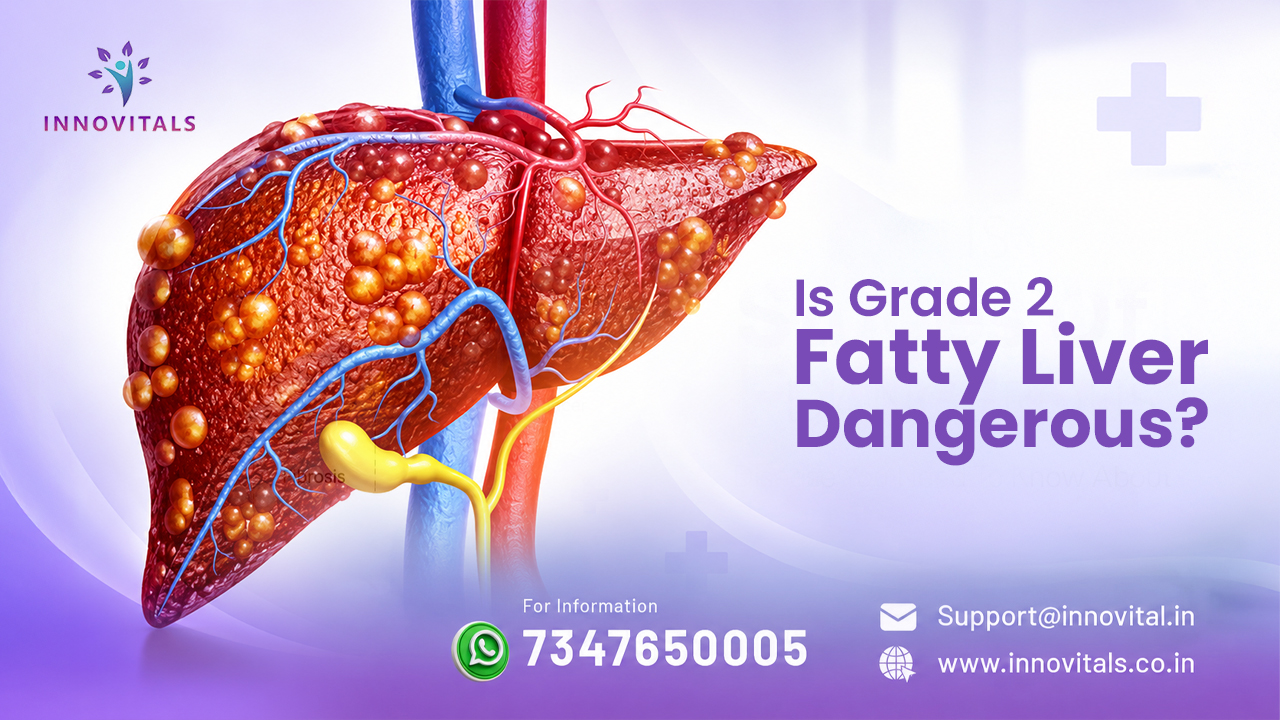
Is Grade 2 Fatty Liver Dangerous?

Indeed. It’s important to treat moderate fatty liver. Approximately 25–30% of persons globally suffer from fatty liver disease, and 20% of those who are diagnosed have moderate or grade 2 fat accumulation. Since fatty liver rarely produces symptoms, it is simple to overlook.

Here’s the issue, though. Life-threatening conditions can arise from moderate fatty liver. If left untreated, it may eventually result in cirrhosis, scarring, and inflammation. The good news is that you can actually reverse the illness at this point by making lifestyle adjustments, including eating better, exercising frequently, and losing a small amount of weight. 

Consider grade 2 to be a red flag. Your liver is alerting you to the need for assistance, and there is still time to address it. Just a few easy adjustments can make a big difference. Cut back on junk food and sugary drinks. Increase your intake of fruits and vegetables and go for a daily 30-minute walk. A mere 5–10% reduction in body weight can have a significant impact.

Taking action right now is crucial. To let your doctor know whether things are getting better, schedule routine checks. Don’t ignore it, but also try not to freak out. The most important thing is that you are identifying this early enough to take action. 

Symptoms of Grade 2 Fatty Liver

Because most patients with grade 2 fatty liver have no symptoms, the condition is referred to by medical professionals as a “silent disease.” But when symptoms do manifest, keep an eye out for these:

Typical signs and symptoms include:

  • Persistent fatigue or weakness
  • Your liver is located on the upper right side of your abdomen, which may cause discomfort or a dull ache.
  • Having a full or weighty stomach
  • Mild weight gain or difficulty dropping pounds

More severe warning indicators:

  • Jaundice, or yellowing of the skin and eyes
  • Swelling in your legs and abdomen
  • Confusion or trouble focusing

What Causes Grade 2 Fatty Liver?

According to research, one in four people has fatty liver, which is caused by improper fat processing by the liver. Among the primary factors are:

Being Overweight or Obese: Your liver is under a lot of stress when you are overweight. Your liver has to work harder when your body has excess fat.

Insulin resistance, also known as type 2 diabetes: If you have type 2 diabetes, your body is unable to use insulin as it should, which eventually causes fat to accumulate.

Bad diet: Consuming excessive amounts of processed foods, sweets, and unhealthy fats might cause your liver to become overly fatty. 

Lack of activity: A sedentary lifestyle exacerbates the issue and leads to the accumulation of fat on the liver if you don’t exercise or move about much during the day.

High cholesterol or triglycerides: High triglycerides or cholesterol indicate that your blood already contains too much fat, which is then stored in your liver.

Excessive alcohol consumption: Excessive alcohol consumption overwhelms your liver’s capacity to handle alcohol.

Certain medications: Fat accumulation may result from certain medications, such as steroids or cancer therapies.

Family history: Some people may be more susceptible to fatty liver due to genetics. 

Diet and Lifestyle Changes That Help

One of the best strategies to cure grade 2 fatty liver is to make dietary and lifestyle modifications. What works is as follows:

Foods to consume more of:

  • Fresh produce
  • Brown rice, oats, and whole wheat bread are examples of whole grains.
  • Fish, poultry, beans, and lentils are examples of lean protein.
  • Nuts, avocados, and olive oil are good sources of fat.
  • Omega-3 fatty acids are found in fatty fish like salmon.

Foods to restrict or stay away from:

  • Sodas and sugary beverages
  • Pasta, white rice, and white bread
  • Processed and fried foods
  • Processed meats and red meat
  • Foods with added sugar flavours
  • Too much salt
Liver Vital
Liver Vital

Exercises that help:

Your liver’s fat content can really be decreased with regular aerobic activity. You don’t have to work out hard. Simple exercises are effective.

  • Every day, go for a 30-minute brisk stroll.
  • Cycling or swimming
  • Twice a week, strength training

According to studies, liver fat and inflammation can be considerably reduced by decreasing merely 5–10% of your body weight.

Some significant adjustments you ought to make are:

  • Sleep for seven to eight hours every night.
  • Use deep breathing, yoga, or meditation to reduce stress.
  • Reduce or give up alcohol entirely
  • If you have high cholesterol and diabetes, manage them. 

How Can Nutritional Support Help?

Although nutrition and exercise are the cornerstones of liver health, there are certain vitamins and supplements that, when selected and taken appropriately, may improve liver health. The potential of some components to assist the liver and lessen fat buildup has been investigated. Among these is N-Acetyl Cysteine (NAC), which aids in the production of glutathione, the body’s most potent antioxidant. After three months, NAC supplementation dramatically reduced liver enzyme levels in patients with fatty liver disease, according to research.

Next, silymarin, a substance that shields liver cells, is found in milk thistle. Silymarin decreased liver fat, according to a comprehensive analysis of 26 studies with 2375 individuals. 

Some research indicates that betaine, which is abundant in beetroot extract, aids in the reduction of liver fat. A study on PubMed Central supports this finding as well.

By boosting bile production, which aids the liver in eliminating waste and improving fat digestion, dandelion extract also promotes liver detoxification.

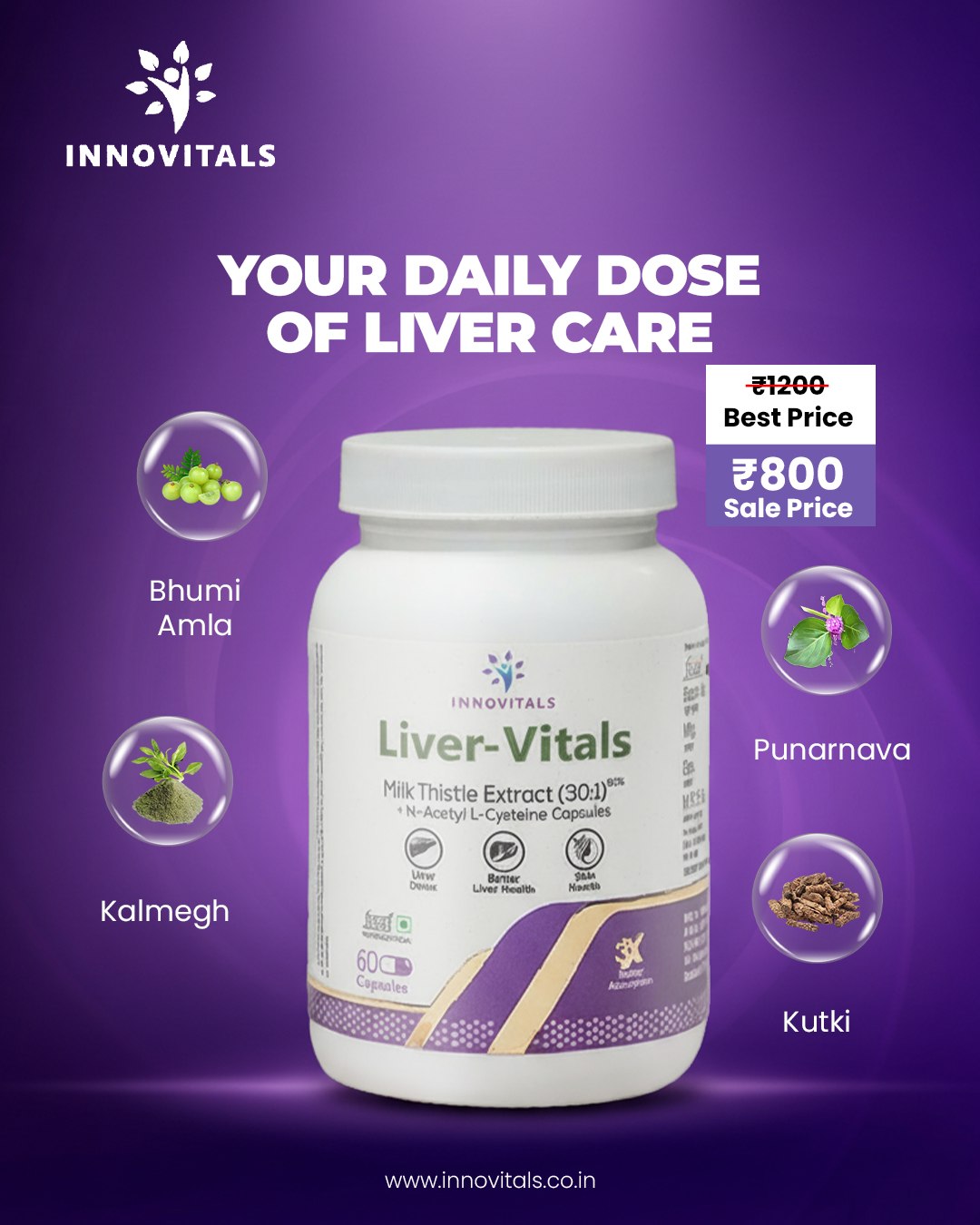
Look for a liver detox product that incorporates these components. All of these professionally validated components are included in Innovital’s liver vitals supplement to promote the health of your liver. 

Omega-3 Fatty Acids: In individuals with fatty liver disease, omega-3 supplementation dramatically decreased liver fat, according to a study published in PubMed Central. A daily intake of 1000–3000 mg of EPA and DHA is advised. Omega-3 helps your liver burn down fat more efficiently and lowers inflammation.

Supplements help maintain the health of your liver, but they should never take the place of medications or good behaviours. They are most effective when combined with diet, exercise, and medications. 

Can Grade 2 Fatty Liver Be Reversed?

In most circumstances, it is possible to reverse grade 2 fatty liver. With the correct diet and lifestyle adjustments, it can be reversed. When you provide your liver with the proper care, it has an amazing capacity to heal itself. 

How long does it take?

Depending on the individual and the severity of the ailment, the timeline may change. With the right care, it can take three to four months to reverse. 

What does “reversal” mean here?

Liver fat significantly drops

Liver enzyme levels return to normal.

Reduced inflammation

Improvements in liver function

Success is dependent upon:

How much weight you shed (even 5–10% is effective)

How regularly you adhere to your diet

Frequent exercise

Taking care of other ailments like diabetes

Steer clear of booze

Getting adequate rest 

Read more details: Grade 1 Fatty Liver – Causes, Symptoms, and Best Treatment Tips

Finally,

A warning sign to take control of your health is grade 2 fatty liver. If you give your liver the proper support, it is the only organ that can heal itself. Extreme dieting or overnight alterations are not necessary. Consistency and dedication to little, long-lasting habits that accumulate over time are what you need.

Today, start with one thing. Perhaps it’s giving up sugar-filled beverages. After supper, it might be a 20-minute stroll. Just get started, whatever it is. Even a 5–10% weight loss can reverse liver fat, and significant benefits usually take three to four months to manifest.

Every day, your liver puts forth a lot of effort on your behalf. It’s time to repay the favour now. You have all you need to make things better. 

Read Also: Fatty Liver Disease: Causes, Symptoms, Diagnosis & Treatment

Frequently Asked Questions (FAQs)

Can a grade 2 fatty liver be cured?

Although grade 2 fatty liver is a major concern, it can be controlled or even reversed with the right drugs, supplements, and dietary and lifestyle modifications. 

Can fatty liver cause ankle swelling?

Yes. Fatty liver can accumulate fluid in the body in advanced stages, which could cause swelling in any area of the body. 

What is the life expectancy of a person with stage 2 fatty liver disease?

The effectiveness of the condition’s management determines life expectancy. Many people maintain their regular lives while making the necessary lifestyle adjustments. 

Read more details: How to Manage Fatty Liver Grade 2: Symptoms, Medications, and Lifestyle Tips

Can your liver recover from stage 2?

If assistance is given, the liver is the only organ that can heal itself. It may not be able to fully recover, but scarring and inflammation can be healed. 

What medication is used for Grade 2 fatty liver disease?

For grade 2 fatty liver, there isn’t a specific medication. Treatments often concentrate on managing obesity, diabetes, and routine general health monitoring.

How long can you live with fatty liver grade 2?

Grade 2 fatty liver does not automatically mean a shortened lifespan. With healthy lifestyle changes and proper medical monitoring, many people can manage it well and prevent progression.

Can I eat rice in fatty liver grade 2?

Yes. You can eat rice in moderation. Prefer smaller portions and combine rice with vegetables, dal, lean protein, and other high-fiber foods. Brown or minimally processed rice can be a good option.

How can I reduce my grade 2 fatty liver naturally?

Focus on gradual weight loss if overweight, regular exercise, a balanced high-fiber diet, limiting sugar and processed foods, avoiding excessive alcohol, and managing blood sugar and cholesterol.

Is paneer good for fatty liver grade 2?

Paneer can be included in moderation. Choose smaller portions and preferably lower-fat paneer, while prioritizing a balanced diet rich in vegetables, whole grains, and lean protein.

Can I eat rice in fatty liver grade 2?

Yes. Rice does not necessarily need to be completely avoided. Keep portions controlled and avoid pairing large amounts of rice with sugary, fried, or highly processed foods.

Is medicine required for fatty liver grade 2?

Not always. Treatment depends on the underlying cause, liver inflammation, fibrosis risk, weight, diabetes, cholesterol, and other health factors. A doctor can determine whether medication is appropriate.

How serious is stage 2 liver?

If by “stage 2” you mean grade 2 fatty liver, it indicates a moderate amount of fat in the liver and should be taken seriously. It is often manageable, but untreated fatty liver can progress to inflammation and fibrosis.

Read Also: How to Detox Your Liver Naturally: Tips & Healthy Habits
 

Fatty Liver Disease: Causes, Symptoms, Diagnosis & Treatment

What is Fatty Liver Disease?

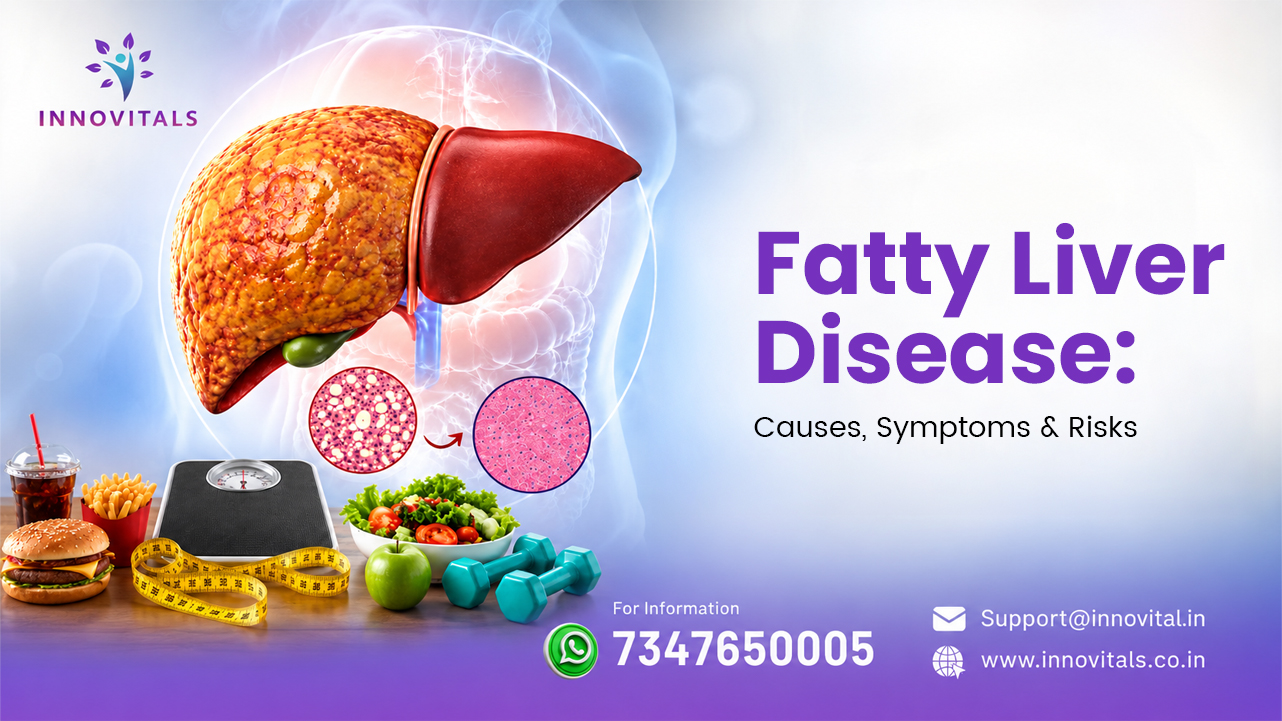
Excess fat accumulates in the liver in a condition known as fatty liver disease. Small levels of fat are normal, but excessive fat might disrupt the liver’s function. It is frequently associated with obesity, diabetes, high cholesterol, or significant alcohol consumption, according to a study published in the Diabetology & Metabolic Syndrome Journal. Many times, there are no obvious signs at first. But if unchecked, it can cause cirrhosis, liver damage, or inflammation.

The good news is that the disorder may frequently be reversed in its early stages with lifestyle modifications like regular exercise, a nutritious diet, and weight control. 

Types of Fatty Liver Disease

When too much fat builds up in the liver, it can lead to fatty liver disease. The development of fatty liver disease can occur for a variety of reasons. Apart from the modest buildup of fat in the liver known as steatosis, other phases of fatty liver disease include fibrosis and inflammation, which, if ignored, can result in cirrhosis.

Alcoholic fatty liver disease (AFLD) and non-alcoholic fatty liver disease (NAFLD) are the two kinds of fatty liver disease.

Alcohol-related liver injury, or Alcoholic Fatty Liver Disease, is caused by excessive alcohol use that damages liver cells and accumulates extra fat, which inflames the liver. 

Non-Alcoholic Fatty Liver Disease is usually associated with other medical disorders including obesity, diabetes, or metabolic syndrome. It happens when a person either doesn’t drink at all or drinks very little alcohol. 

Stages of Fatty Liver Disease

Before the condition is under control, fatty liver disease might go thru several stages and develop slowly. Each step represents several levels of damage.

Stage 1 Fatty Liver (Steatosis) – Fat buildup and minimal to no inflammation or damage characterize stage 1 fatty liver (steatosis). can be undone by altering one’s lifestyle.

Stage 2 Fatty Liver (Steatohepatitis) – Steatohepatitis, or stage 2 fatty liver, is linked to inflammation and fat buildup. If gaps are not filled, liver damage may get worse.

Stage 3 Fatty Liver (Fibrosis) – Persistent inflammation that impairs liver function and results in the creation of scars inside the liver.

Stage 4 Fatty Liver (Cirrhosis) – A permanent loss of normal liver function as a result of the liver’s normal function being replaced by a severely growing scar. liver failure risk. 

Causes of Fatty Liver Disease

When extra fat accumulates in the liver as a result of metabolic issues or unhealthy lifestyle choices, fatty liver disease results. This buildup of fat has the potential to disrupt regular liver function over time. Typical reasons consist of: 

Cause Description
Obesity (especially abdominal fat) One of the most frequent causes of fatty liver is being overweight, especially belly fat, which increases the amount of fat stored in the liver and increases the likelihood of developing symptoms over time. 
Type 2 Diabetes / Insulin Resistance Insulin resistance is a crucial factor in the causes and progression of fatty liver because when the body cannot use insulin effectively, excess sugar is turned into fat. 
High Cholesterol / High Triglycerides Because they worsen metabolic imbalance and increase fat storage in liver cells, elevated blood fats can directly contribute to causes of fatty liver. 
Excess Alcohol Consumption Drinking excessively or for extended periods of time destroys liver cells, which is a well-known cause of fatty liver and can eventually result in symptoms. 
Lack of Regular Exercise Sedentary lifestyles increase fat storage and impede metabolism, which can lead to fatty liver and make it harder for the body to correct early-stage disease. 
Unhealthy Diet (Sugary & Processed Foods) Frequent use of processed meals, refined carbs, and sugary drinks encourages the liver to produce fat, making diet one of the main causes of fatty liver. 
Excess Calorie Intake Consuming more calories than the body requires on a regular basis increases the risk of fatty liver symptoms and consequences by causing fat to be stored throughout the body, including the liver. 

Additional Causes of Fatty Liver

  • Your risk may be elevated if fatty liver disease runs in your family.
  • Corticosteroids are among the drugs that might cause fatty liver.
  • Hypothyroidism and PCOS are two examples of hormonal disorders that can increase the risk.
  • Hepatic fat accumulation may result from rapid weight loss.
  • Low oxygen levels from sleep apnoea might exacerbate fatty liver.
  • Fatty liver may be a result of a persistent Hepatitis C infection.
  • The liver can be harmed by exposure to environmental pollutants like chemicals. 

Fatty Liver Risk Factors

Whether or not there are any obvious symptoms at the moment, there are a number of factors that can raise the chance of developing fatty liver disease. Among them are:

  • Elevated blood pressure
  • Ovarian polycystic syndrome
  • Apnoea during sleep
  • Liver illness in the family
  • Unhealthy dieting or rapid weight loss 

Symptoms of Fatty Liver Disease

Many people may be unaware that they have fatty liver disease because it frequently has no symptoms in its early stages. Symptoms may start to manifest as the illness worsens and the damage to the liver increases.

Common Symptoms

  • Low Energy
  • Discomfort or pain in the upper right side of the abdomen
  • Unexplained weight loss
  • Weakness
  • Nausea
  • Enlarged Liver
  • Jaundice

More severe symptoms like jaundice, swelling in the legs or abdomen, and appetite loss may appear as the illness progresses. 

Diagnosis and Tests for Fatty Liver

A combination of medical history, physical examination, laboratory testing, and imaging techniques are typically used to identify fatty liver disease. Before suggesting additional testing, doctors evaluate risk factors like alcohol consumption, diabetes, and obesity. 

Blood Tests and Imaging

Liver enzyme levels are frequently measured via blood testing. Increased enzyme levels could be a sign of liver damage or inflammation. However, fatty liver disease is not always ruled out by normal results. The existence of fat in the liver can be verified by imaging testing.

  • The first test to identify fat accumulation is frequently ultrasound.
  • FibroScan assesses the fat and stiffness of the liver. 

Liver Biopsy and Advanced Scans

The most reliable method for determining the degree of liver damage is a liver biopsy. It entails using a microscope to examine a tiny sample of liver tissue. Without the necessity for surgery, sophisticated imaging methods like MRI elastography offer comprehensive information regarding liver fat and scarring. 

Treatment and Management for Fatty Liver

Fatty liver disease cannot be totally cured by a single drug, but by treating its underlying causes, it can frequently be reversed or effectively managed. The best strategy is still to make lifestyle adjustments early on, especially in the early phases. 

Lifestyle Changes and Diet

Weight Loss: The body will store fat in the liver as a result of excess body fat, particularly in the abdomen. A person’s body will start using stored body fat, including fat in the liver, for energy when they lose weight. Even a 5–10% weight loss can significantly reduce inflammation and the amount of fat deposited in the liver, according to the study published in the Hepatitis Monthly Journal.

Intermittent Fasting: By lowering insulin levels, intermittent fasting causes the body to switch from storing fat to burning it, which will eventually result in reduced fatty liver formation.

Low Carb Diet: Consuming a lot of processed carbohydrates and sweets raises insulin levels and causes the liver to produce more fat. Reducing sugar and processed carbs will increase your insulin sensitivity, which will lower the liver’s ability to produce new fat.

Eating Healthy Fats: Walnuts, flax seeds, chia seeds, avocados, fish oil (omega-3 fatty acids), and other foods will assist improve the liver’s ability to metabolize fat and reduce inflammation.

Better Digestion: Eating fibre can not only help you stay regular but also ease the strain on your liver during food digestion. A balanced metabolism will be supported by intestinal health. 

Liver Vital
Liver Vital

Medications and Medical Interventions

Changing one’s lifestyle is the most important approach to treat this problem, however some people may require medication, particularly if they have advanced liver disease or metabolic disorders. Doctors may recommend drugs to reduce cholesterol and triglycerides or to improve insulin resistance (type 2 diabetes drugs).

The extent of liver damage, preexisting medical conditions, and other risk factors will determine the course of treatment, which should always be carried out under the supervision of a healthcare professional. In certain situations, specific medications may be used to help reduce inflammation of the liver or to try and stop further scarring of the liver. 

Complications & Progression Risks

Fatty liver disease can worsen and cause major issues if it is not treated. The issue starts with an accumulation of fat in the liver, which can result in cirrhosis, inflammation, scarring, and possibly even total liver failure or liver cancer. In severe circumstances, the patient will require a liver transplant. Because of this, it is crucial that the diagnosis be established as soon as possible and that lifestyle modifications be put into place right once. 

Best Supplements for Fatty Liver Support

By implementing certain dietary, lifestyle, and supplemental modifications, you may be able to enhance the function of your liver. The following are some examples of supplements that might help you in your attempts to strengthen the health of your liver:

N-acetylcysteine (NAC): It increases the amount of glutathione, a strong antioxidant that is essential for liver function since it keeps liver cells healthy. The function of antioxidants in liver health is further highlighted by the fact that it helps lower oxidative stress and may aid in liver recovery in situations involving inflammation or exposure to toxins. 

Milk Thistle: Its active element, silymarin, may aid in liver regeneration and lower hepatic inflammation. It is frequently used as a natural supplement to nourish the liver and may shield liver cells from additional harm.

Dandelion Root: In the past, dandelion root has been used to cleanse the liver and encourage healthy bile flow. Encouraging bile flow can improve the body’s ability to remove waste and aid in digesting. See the significance of bile flow in digesting. 

Omega-3s: They help maintain a healthy heart and reduce inflammation and fat in the liver. Additionally, they might enhance insulin sensitivity, which is crucial for controlling fatty liver disease.

Curcumin (Turmeric): Turmeric’s curcumin helps maintain metabolic equilibrium and support the liver. Its potent anti-inflammatory qualities may promote general metabolic health and lessen inflammation in the liver.

To save time and benefit from the synergistic combination of several powerful substances in a single product, many people opt to utilize a liver detox supplement that already contains NAC, milk thistle, and dandelion root. 

liver detox supplement

Prevention & Long-Term Fatty Liver Management

In order to manage your fatty liver disease and prevent it from growing worse, you must make good lifestyle changes. Regular exercise and a balanced diet can help you maintain a healthy weight, improve your metabolism, and lower your long-term risks. 

Exercise Routines & Meal Suggestions

In addition to focusing on eating a lot of fruits, vegetables, lean proteins, and healthy fats while cutting back on sugar, refined carbs, alcohol, and unhealthy fats, you should aim for at least 150 minutes of moderate aerobic activity per week, including two days of resistance training. 

Monitoring and Follow-up

Regular examinations, blood testing, and imaging tests will enable doctors to track development and identify issues early. Maintaining the effectiveness of your treatment plan will also be aided by routine follow-up appointments. 

When to Call Your Physician

You should consult your doctor if you experience prolonged exhaustion, abdominal pain, yellowing of the skin or eyes, swelling of the legs, mental disorientation, or any recognized risk factors for liver disease. The development of more severe consequences can be prevented with early treatment. 

Finally,

There are different ways to help in the prevention and treatment of fatty liver disease. As one has to pay close attention to their diagnosis, they should be thankful to the fact that lifestyle changes may be a successful way to deal with the issue.

For some patients diagnosed with fatty liver disease, changing their diet, increasing physical activity, maintaining a healthy weight, and minimizing alcohol intake can be really helpful. The secret to achieving such results lies in making positive changes consistently instead of trying to achieve maximum results within the shortest period.

What matters most about the process of recovering from the diagnosis is the relationship between the concept of consistency and that of perfection. Thus, the aim here is to help patients understand the importance of learning more about their health and following the advice of doctors during medical appointments held on a regular basis. 

In this way, compliance with numerous recommendations and adherence to one’s lifestyle will make it possible for a patient to prevent and treat fatty liver disease.

Read Also: How to Detox Your Liver Naturally: Tips & Healthy Habits
Frequently Asked Questions (FAQs)

What exactly is fatty liver disease?

Excess fat has accumulated within your liver cells if you have fatty liver. It’s one of the most prevalent liver diseases nowadays, particularly in light of the growing number of metabolic health problems. 

What are the main fatty liver causes?

Obesity, insulin resistance, high cholesterol, type 2 diabetes, poor diet, and excessive alcohol intake are the most prevalent causes of fatty liver. 

What are the early fatty liver symptoms?

Fatty liver frequently has no obvious signs in its early stages. For this reason, a lot of people are unaware that they have it. 

Can fatty liver cause fatigue?

Indeed, when the liver isn’t working at its best, a lot of people report feeling unusually exhausted or short on energy. 

Does fatty liver cause pain?

Although significant pain is rare in the early stages, some patients may experience little discomfort or heaviness in the upper right side of the abdomen.

What are the symptoms of fatty liver disease in men?

Fatty liver often causes few or no symptoms. When symptoms occur, they may include fatigue or discomfort in the upper-right abdomen.

How to deal with fatty liver?

Healthy lifestyle changes are the main approach. Gradual weight loss, regular physical activity, a balanced diet, and limiting alcohol can help reduce liver fat and inflammation.

What are the main causes of fatty liver disease?

Common risk factors include overweight or obesity, insulin resistance, type 2 diabetes, high triglycerides or cholesterol, metabolic syndrome, and excessive alcohol use. Some medicines and genetic conditions can also contribute.

What are the best supplements for fatty liver disease?

There is no universally recommended supplement for fatty liver. Some supplements may interact with medicines or even cause liver injury, so consult a healthcare professional before taking supplements for liver health.

What are 5 signs of a fatty liver?

Fatty liver can be symptom-free. Possible symptoms include fatigue, reduced appetite, nausea, abdominal discomfort, and weakness. Testing is needed to confirm the condition.

Can fatty liver become normal?

Yes. Fatty liver can improve, particularly when its underlying causes are addressed. Gradual weight loss, healthy eating, and physical activity can reduce liver fat, while greater weight loss may also improve inflammation and fibrosis.

Add to cart

8% OFF ON FIRST ORDER

Catch your discount before the timer runs out

Discount on first buy only