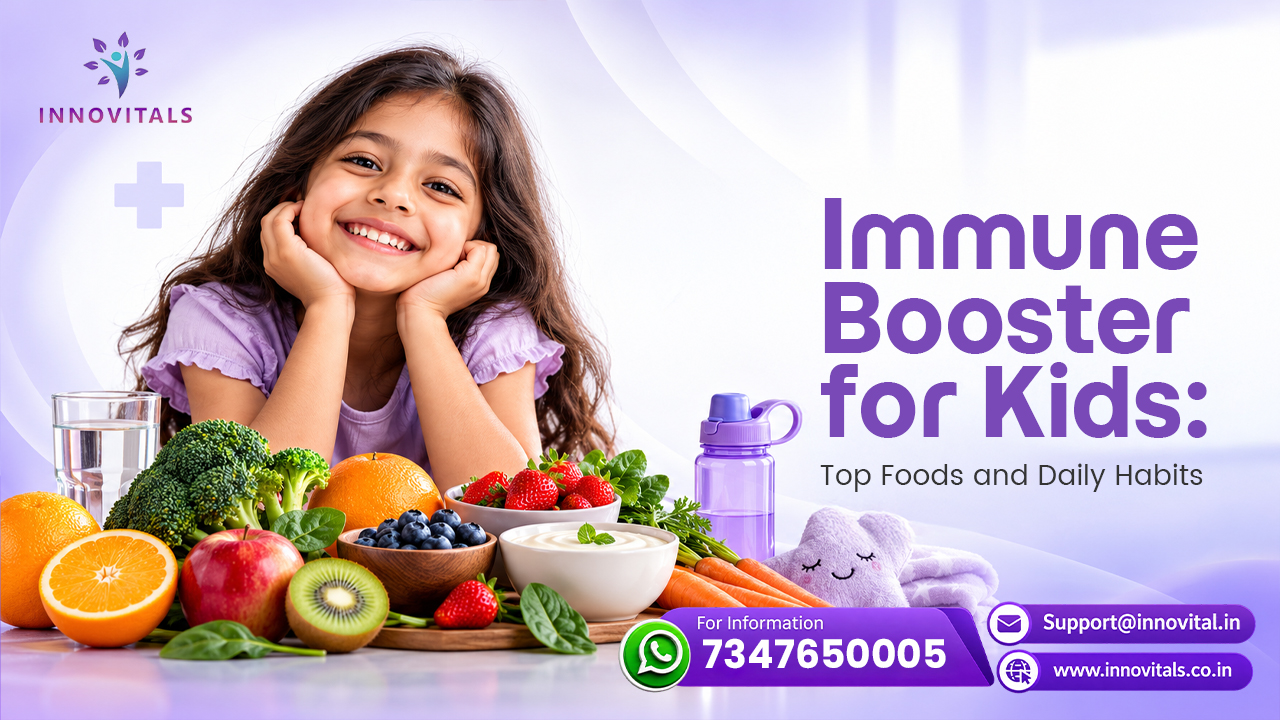
Taking care of your child’s health is your top priority as a parent or carer. Because they participate in extracurricular activities, sports, and school, your kids are constantly in contact with other kids, which exposes them to a variety of bacteria, viruses, and germs.
There are numerous natural strategies to help give your child the healthiest immune system possible, even though no one can ever guarantee that your child won’t be exposed to something dangerous. Their immune system will be greatly impacted by the stuff they eat and the habits they have. So let’s look at some of the greatest foods to help strengthen your child’s immunity as well as the daily routines you can help them develop so they can be happy and healthy all around.
Why Do Your Kids Need a Strong Immune System?
The body uses the immune system to fend against dangerous invaders, including bacteria, viruses, and other infections. In addition to preventing illness, a healthy immune system is essential for children’s overall physical, emotional, and cognitive development because it allows them to stay well enough to go to school or play sports, which in turn allows them to take advantage of all educational opportunities.
Children who have a strong immune system are better able to avoid colds, the flu, and other ailments that could otherwise disrupt their daily schedule. Additionally, the majority of the immune support benefits will come from using the most basic foods and routines in daily life to help strengthen and support the immune system so it can provide optimal functioning. This means that stamina doesn’t have to be attained through costly supplements or challenging regimens.
Top Foods to Boost Immunity in Kids
Citrus Fruits
Citrus fruits have a high vitamin C content. In addition to playing a significant role in the creation of WBCs, it serves to strengthen the immune system. The body fights an infection with the aid of white blood cells. Oranges, lemons, tangerines, and grapefruits are examples of citrus fruits. A child’s diet can readily include these fruits, which are high in vitamin C. They can be consumed whole, juiced, or mixed into a smoothie.
In addition to their high vitamin C content, citrus fruits are high in fibre, which improves digestion and overall health. A single glass of orange juice in the morning or some citrus fruits as a snack in the afternoon may help children’s immunity.
Yogurt
What you may be unaware of is that the gut plays host to a considerable amount of the immune system. Gut microbiota plays a vital role in keeping the body immune to disease, and this is where the probiotics – good bacteria – come into play to maintain the balance in the gut. Yogurt is rich in probiotics.
When opting for unsweetened and plain yogurt as an alternative to the other dairy options, the kid can combine yogurt with fruits/puree fruits and/or some honey. If, after giving the kid the yogurt for a few weeks, he/she does not like the yogurt on its own, you can try mixing it with smoothies or even add granola and/or berries to it. Probiotic foods aid your body in growing beneficial bacteria and, in turn, protect the body from infections.
Leafy Greens
Swiss chard, kale and spinach are examples of leafy greens that are high in nutrients. They are rich in minerals (iron) and vitamins (C, A) that strengthen our defences against illness. Since it can be challenging to encourage kids to eat vegetables, there are numerous methods to incorporate leafy greens into their diet, such blending kale into smoothies, adding spinach to scrambled eggs, or sneaking some green into soup or spaghetti sauces. You are giving kids the nutrients they need to maintain healthy immune systems by include these superfoods in their meals.
Garlic
For many years, garlic has been used to treat various health problems, including immune system enhancement. Allicin, a chemical found in the herb, has antimicrobial and anti-inflammatory properties. Garlic is not only wonderful, but it can also help prevent children from getting diseases. Try adding tiny amounts of garlic to sauces, soups, roasted vegetables, etc., as smaller kids could be sensitive to the flavour. Additionally, it can be added to homemade salad dressings and meat dishes to provide flavour and taste while boosting the child’s immunity.
Berries
Antioxidants, particularly flavonoids, which shield the body from free radicals that might harm cells, are abundant in blueberries, strawberries, raspberries, and other fruits referred to as “berries.” Additionally, berries contain a lot of vitamin C, which strengthens immunity. Your toddler will enjoy eating a handful of berries with yoghurt or in a smoothie as a quick snack. Berries can also be frozen for a refreshing and nutritious snack on hot days!
Nuts and Seeds
Nuts and seeds include things like almonds, walnuts, chia seeds, and sunflower seeds. They are rich in zinc, vitamin E, which is necessary for the body’s protection, and healthy fats. Zinc, an important mineral, and vitamin E, an antioxidant, both have roles in the body’s defence against illness. You can incorporate nuts or seeds into your child’s diet by adding them to cereals, granola bars, and smoothies. A handful of nuts is also a quick and healthful snack that gives the child energy and has anti-infective properties.
Chicken Soup
Although chicken soup is often thought of as a comfort food, it has numerous health advantages, both of which are valid in and of themselves! In particular, the soup’s broth—especially if it’s made with bone-in chicken—provides your body with the collagen and amino acids it needs to rebuild tissue and strengthen your immune system. Furthermore, chicken is a great source of zinc, which is crucial for your immune system to react appropriately to disease.
You may give your child a healthy, nutrient-rich lunch and boost their immunity when they have a cold or the flu by making homemade chicken soup with fresh veggies.
Daily Habits to Strengthen Immunity in Kids
The way your child takes care of their body on a daily basis is just as important as what they eat. They can maintain their health and strengthen their immunity by adopting these habits:
Proper Sleep Routine
Sleeping is important in ensuring that there is adequate time spent resting so as to boost the body’s immunity. This is because during the state of sleeping, children will have the opportunity to utilise the accumulated energy during the day to heal any damaged tissues and build immunity against disease-causing pathogens. Research has shown that sleeping problems lead to an impaired immune system among individuals who fail to get the recommended number of hours of sleep per day.
It is imperative that your kid sleeps a sufficient number of hours based on his/her age category. For example, kids aged between 6 – 12 years are recommended to sleep 9-12 hours every day. Some of the things that can ensure that your kid sleeps adequately include developing a sleeping schedule of going to bed and getting up every morning, limiting evening screen activities and creating a good sleeping environment with reduced noise and light level.
Exercise for Immunity
Frequent exercise improves blood flow, reduces oedema, and strengthens a person’s defences against illnesses. Although children instinctively engage in physical activity, organised forms of enjoyment like playing on organised teams, dancing, and/or unstructured outdoor play—all of which provide children with regular opportunities for movement—will help them develop this skill.
According to the American Academy of Paediatrics (AAP), your child should intentionally move for 30 to 60 minutes each day, depending on their age and ability level. Your child’s immune system will be healthier the more active they are because this not only keeps them healthy but also helps to improve their immune system’s capacity to fight off infection.
Drink Plenty of Water
All things considered, maintaining adequate hydration is critical to overall health, including immunity. Maintaining a sufficient level of hydration will enable the body to absorb nutrients as it should, and our bodies require water to assist our digestive systems and help eliminate waste. A person’s immune system may be weakened if they are dehydrated, which puts them at higher risk of being sick. Encourage your child to drink water throughout the day. If the water doesn’t appeal to them, try adding fruit to make it more pleasant, like berries, lemon, or lime.
Teach Good Hygiene
Teaching your child how to properly wash their hands is one of the easiest yet most effective strategies to stop the transmission of germs. Urge children to routinely wash their hands, particularly after eating and after being outside or in public areas. One of the most effective ways to prevent sickness is to practise good hygiene. Singing a little song while they wash their hands—making sure they do it for at least 20 seconds—will make the process enjoyable.
Reducing Stress
The effectiveness of the immune system is reduced when stress hormones like cortisol are elevated. Children nevertheless encounter enough stress from school, their peer groups, and their extracurricular activities, even if they won’t be under as much pressure as adults. You may assist your child manage their own stress and boost their immunity by teaching them relaxation techniques like yoga, deep breathing, and mindfulness. Additionally, your child’s general health will benefit from spending time with them as a family and making sure you are providing emotional support by creating a secure environment.
Vitamins and Supplements for Boosting Immunity in Kids
When a child’s immune system is functioning normally, it offers them activity, health, and some protection against common diseases. The immune system benefits immensely from a healthy diet, but when a child’s nutrition is lacking, vitamins and dietary supplements may also help to boost the immune system. The most often suggested dietary supplements for kids’ immune systems are as follows:
As a potent antioxidant, vitamin C keeps your body’s white blood cells healthy so they can fight infections.
Vitamin D promotes bone health and strength and helps your body control its immunological response.
Zinc is a crucial mineral that promotes wound healing and immune cell development.
Iron is essential for overall energy levels and for the movement of oxygen throughout your body.
Probiotics strengthen your body’s immune system by balancing the “good” bacteria in your stomach.
Children have different nutritional demands than adults, so choosing a kids’ supplement requires careful consideration. Children’s nutritional supplements have an age-appropriate dosage and are made with kids in mind. To make it easier for kids to take them, children’s nutritional supplements are available in a variety of formats, such as liquid, chewable tablets, and gummy bears.
Finally,
Strong immunity is important for your child’s health. Including foods that contain beneficial nutrients in a healthy meal, such as citrus fruits, yogurt, leafy greens, garlic, and berries, combined with a healthy sleep habit, proper exercise, and hydration of the body, is important in building a strong body for your kid against diseases.
However, it is important to note that no food or particular habit will completely help your child avoid illnesses. The golden rule is to ensure that you have an everyday routine that involves the consumption of various nutrient-rich foods, exercise, rest, and stress-management techniques. With a few very basic and consistent behaviours, you are sure to have a very strong and prepared immune system for your child, despite what may come your way.
Read Also: Fatty Liver Disease: Causes, Symptoms, Diagnosis & Treatment
Frequently Asked Questions (FAQs)
How can I boost my child’s immune system?
A youngster can build an immune system similar to that of an adult by engaging in daily healthy habits including eating a balanced diet, getting enough sleep, exercising, getting up-to-date vaccines, and maintaining proper hygiene. Developing a child’s immunity also involves lowering stress and sugar intake.
What is the best immune booster for kids?
Because they contain both zinc and vitamin C, nuts, seeds (like sunflower seeds), citrus fruits (like oranges and amla), and leafy green vegetables (like spinach) can strengthen a child’s immune system.
Are immune boosters safe for kids?
Although vitamins and herbal immune boosters have been shown to be safe when used under a pediatrician’s supervision, healthy youngsters usually don’t require these kinds of supplements. The greatest way to improve and raise immunity in teenagers is to give them a wellness-focused, balanced diet that includes whole foods and enough sleep.
What are signs of weak immunity in kids?
Frequent infections, a sluggish recovery from illness, persistent exhaustion, poor appetite, slow wound healing, digestive issues, recurrent ear or skin infections, and delayed growth are all indicators of a weakened immune system in children.
At what age is a kid’s immune system the strongest?
Children’s immune systems are still growing and will keep becoming stronger until they are around 7 or 8 years old. A child’s immune system develops its ability to fend off infections during these formative years. The immune system of a child grows considerably between the ages of three and four, but it doesn’t fully mature until much later in life.
Read Also: How to Detox Your Liver Naturally: Tips & Healthy Habits